

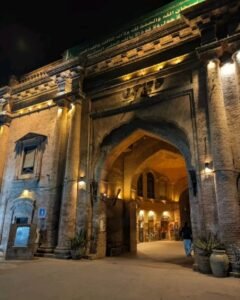
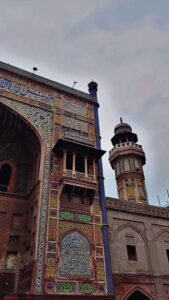
Punjab, often referred to as the “Land of Five Rivers,” is renowned for its fertile landscapes, vibrant culture, and rich history. Beyond its colorful festivals and delicious cuisine lies a fascinating collection of ancient forts that have stood as silent witnesses to centuries of wars, royal dynasties, and legendary tales. These majestic structures not only showcase brilliant architecture but also preserve the stories of brave warriors, powerful rulers, and forgotten civilizations.
Whether perched on rugged hills or nestled in bustling cities, the forts of Punjab continue to captivate historians, travelers, and photography enthusiasts alike. Let’s embark on a journey through some of Punjab’s most mystical forts and uncover the history and stories hidden within their walls.
The Historical Importance of Punjab’s Forts
Punjab has historically served as the gateway to the Indian subcontinent. Due to its strategic location, numerous empires—including the Ghaznavids, Delhi Sultanate, Mughals, Sikhs, and the British—passed through or ruled over this region. To defend their territories and establish authority, rulers constructed magnificent forts that served as military strongholds, administrative centers, and royal residences.
Today, these forts stand as remarkable reminders of Punjab’s glorious past. While some remain remarkably well-preserved, others have weathered centuries of invasions and natural decay, adding an air of mystery to their existence.
Rohtas Fort – The Fortress That Defied Empires
Among Punjab’s most iconic historical landmarks is the magnificent Rohtas Fort. Built during the reign of Sher Shah Suri in the 16th century, the fort was designed to suppress local rebellions and prevent the return of Mughal Emperor Humayun.
Spread across nearly 70 hectares, Rohtas Fort features massive defensive walls stretching over four kilometers, twelve impressive gates, and numerous bastions. Unlike many Mughal forts built for luxury, Rohtas was purely a military fortress, emphasizing strength over elegance.
Local folklore suggests that hidden tunnels beneath the fort once connected secret escape routes used by soldiers during times of siege. Though many of these passages remain unexplored, they continue to intrigue archaeologists and visitors alike.
Today, Rohtas Fort is recognized as a UNESCO World Heritage Site and remains one of Pakistan’s finest examples of military architecture.
Lahore Fort – A Royal Legacy
No discussion of Punjab’s forts is complete without mentioning the magnificent Lahore Fort. Situated in the heart of Lahore, this architectural masterpiece has been expanded by various rulers over several centuries, particularly during the Mughal era.
The fort combines Persian, Islamic, and South Asian architectural styles, featuring grand palaces, exquisite gardens, royal chambers, and beautifully decorated halls. The famous Sheesh Mahal, or Palace of Mirrors, dazzles visitors with intricate mirror mosaics reflecting light in breathtaking patterns.
Throughout history, Lahore Fort has witnessed royal coronations, political conspiracies, and grand celebrations. Legends tell of hidden treasures buried deep beneath its foundations, though none have ever been conclusively discovered.
Its timeless beauty continues to attract millions of visitors every year, making it one of Punjab’s most treasured historical monuments.
Attock Fort – Guardian of the Indus
Standing proudly near the banks of the mighty Indus River, Attock Fort occupies one of the most strategically significant locations in South Asia. Built by Emperor Akbar in 1581, the fort was intended to safeguard the crossing point between Central Asia and the Indian subcontinent.
Over the centuries, Attock Fort witnessed numerous military campaigns involving the Mughals, Sikhs, Afghans, and British forces. Its imposing walls and commanding position made it nearly impossible for invading armies to bypass.
Many local stories describe mysterious sounds echoing through the fort at night, believed by some to be the spirits of soldiers who defended the fortress centuries ago. While these tales remain folklore, they contribute to the fort’s mysterious reputation.
Phularwan Fort – A Forgotten Treasure
Less famous but equally fascinating is Phularwan Fort, located in the Sargodha region. Though much of the original structure has deteriorated over time, remnants of its walls and gateways still hint at its former grandeur.
Historical records suggest the fort once served as an important regional defense center. Local residents often share stories about hidden chambers and underground passages believed to contain valuable artifacts left behind by former rulers.
Although archaeological investigations continue, much of Phularwan Fort’s history remains shrouded in mystery, making it an intriguing destination for history lovers.
The Architecture Behind the Majesty
The forts of Punjab showcase exceptional engineering techniques that were far ahead of their time. Thick sandstone walls, defensive towers, watchtowers, secret tunnels, massive gates, and sophisticated water storage systems highlight the remarkable skills of ancient builders.
Many forts feature intricate carvings, floral patterns, Quranic inscriptions, and geometric designs that blend artistic beauty with military functionality. The fusion of Persian, Afghan, Mughal, Rajput, and Sikh architectural influences creates a unique visual identity found nowhere else.
Legends and Mysteries
Beyond historical records, Punjab’s forts are surrounded by countless legends passed down through generations. Tales of hidden treasures, ghostly guardians, secret escape tunnels, and mysterious disappearances continue to fascinate visitors.
Some believe that royal families concealed enormous wealth beneath the forts before enemy invasions. Others claim underground passages connected distant cities, allowing rulers to escape unnoticed during times of conflict.
Although many of these stories remain unverified, they add a captivating layer of mystery that keeps these ancient fortresses alive in local folklore.
Preserving Punjab’s Heritage
Many of Punjab’s historic forts face challenges such as weathering, urban expansion, pollution, and insufficient conservation efforts. Preservation initiatives led by archaeological departments, UNESCO, and heritage organizations aim to restore damaged structures while promoting responsible tourism.
Visitors can contribute by respecting historical sites, avoiding vandalism, and supporting local conservation projects. Protecting these monuments ensures that future generations can continue exploring the remarkable stories embedded within their ancient walls.
Travel Tips for Exploring Punjab’s Forts
- Visit during the cooler months for a more comfortable experience.
- Hire a local guide to discover fascinating historical details often missed by tourists.
- Carry water, sunscreen, and comfortable walking shoes.
- Bring a camera to capture stunning architecture and scenic landscapes.
- Respect cultural heritage by following site regulations and avoiding damage to historical structures.
Conclusion
The mystical forts of Punjab are far more than ancient stone structures—they are living chronicles of courage, ambition, artistry, and resilience. Every gateway, courtyard, and weathered wall tells stories of kings, warriors, architects, and civilizations that shaped the region’s remarkable history.
Whether you’re a passionate history enthusiast, an architecture admirer, or simply a curious traveler, exploring Punjab’s forts offers an unforgettable journey into the past. Their enduring beauty and timeless legends continue to inspire awe, reminding us that history is not merely written in books but carved into the very stones that have stood for centuries.
As tourism and conservation efforts continue to grow, these magnificent forts remain symbols of Punjab’s enduring cultural heritage, inviting future generations to uncover their secrets and appreciate the rich legacy they preserve.
