
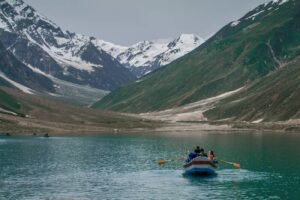
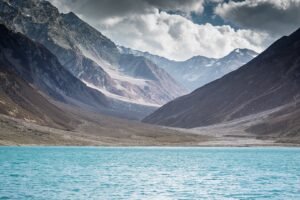
Nestled in the breathtaking Kaghan Valley of northern Pakistan, Lake Saif ul Malook is one of the country’s most spectacular natural attractions. Surrounded by snow-capped mountains, crystal-clear waters, and lush green landscapes, the lake attracts thousands of visitors every year. Whether you’re a nature lover, adventure enthusiast, photographer, or someone looking for a peaceful escape, Lake Saif ul Malook offers an unforgettable experience.
This comprehensive visitor’s guide covers everything you need to know before planning your trip, including how to get there, the best time to visit, popular activities, travel tips, and nearby attractions.
Where is Lake Saif ul Malook?
Lake Saif ul Malook is located approximately 9 kilometers from Naran in the beautiful Kaghan Valley, Khyber Pakhtunkhwa, Pakistan. Sitting at an elevation of about 3,224 meters (10,578 feet) above sea level, the lake offers stunning panoramic views of the surrounding Himalayan mountain ranges, including the majestic Malika Parbat, the highest peak in the valley.
The journey from Naran to the lake usually takes around 30 to 45 minutes by jeep due to the rugged mountain track. During peak tourist season, jeep services are readily available from Naran Bazaar.
The Legend Behind Lake Saif ul Malook
The lake is famous not only for its natural beauty but also for its fascinating folklore. According to local legend, Prince Saif ul Malook fell in love with a fairy princess named Badi-ul-Jamal at this enchanting lake. The romantic tale has been immortalized in Persian poetry and continues to attract visitors intrigued by its mystical charm.
Many locals believe that the serene atmosphere and magical surroundings give the lake an almost fairy-tale appearance, especially during sunrise and sunset.
Best Time to Visit
The ideal time to visit Lake Saif ul Malook is from May to September. During these months, the roads remain open, temperatures are pleasant, and visitors can fully enjoy outdoor activities.
- May to June: Fresh greenery, melting snow, and cool weather.
- July to August: Peak tourist season with vibrant scenery.
- September: Fewer crowds and excellent photography opportunities.
From October to April, heavy snowfall blocks access to the lake, making travel nearly impossible.
How to Reach Lake Saif ul Malook
The most common travel route begins from Islamabad. Travelers usually drive through Abbottabad, Balakot, and Kaghan before reaching Naran. From Naran, visitors can hire a 4×4 jeep to access the lake.
Travel Route
- Islamabad to Balakot
- Balakot to Kaghan
- Kaghan to Naran
- Naran to Lake Saif ul Malook via Jeep
The road from Naran to the lake is steep and rocky, making four-wheel-drive vehicles essential.
Things to Do at Lake Saif ul Malook
1. Enjoy Scenic Photography
The lake is a paradise for photographers. Its turquoise waters reflect the surrounding mountains, creating postcard-perfect views throughout the day.
2. Horse Riding
Horse riding is a popular activity for visitors who prefer a traditional mountain experience. Local horse owners offer rides around the lake and nearby viewpoints.
3. Hiking
Adventure seekers can enjoy several hiking trails around the lake. Short hikes provide breathtaking viewpoints overlooking the valley and surrounding peaks.
4. Boating
Depending on weather conditions, small boating experiences may be available during peak tourist months, allowing visitors to appreciate the lake’s crystal-clear waters from a unique perspective.
5. Relax and Picnic
Many families bring picnic supplies and spend the day enjoying the peaceful environment surrounded by nature.
Wildlife and Natural Beauty
The region around Lake Saif ul Malook is home to various alpine flowers, birds, butterflies, and mountain wildlife. Visitors may spot marmots, eagles, and colorful wildflowers during summer. The pristine environment makes it one of Pakistan’s most picturesque destinations.
Travel Tips for Visitors
- Carry warm clothing, even during summer.
- Wear comfortable hiking shoes.
- Bring sunscreen, sunglasses, and a hat.
- Carry drinking water and light snacks.
- Keep the environment clean by avoiding littering.
- Travel early in the morning to avoid traffic and crowds.
- Keep cash with you, as digital payment options are limited.
Nearby Attractions
If you’re visiting Lake Saif ul Malook, consider exploring these nearby destinations:
- Lulusar Lake
- Babusar Top
- Ansoo Lake
- Kaghan Valley
- Naran Bazaar
Each location offers unique landscapes and unforgettable experiences for travelers.
Accommodation Options
Naran offers a wide variety of hotels, guest houses, and resorts suitable for different budgets. Since overnight accommodation is not available at Lake Saif ul Malook itself, visitors usually stay in Naran and make a day trip to the lake.
During the summer season, booking accommodation in advance is highly recommended due to high tourist demand.
Local Food
After returning from the lake, visitors can enjoy delicious local cuisine in Naran. Popular dishes include trout fish, chicken karahi, chapli kebab, freshly baked naan, and traditional Pakistani tea served at roadside cafés with stunning mountain views.
Responsible Tourism
Lake Saif ul Malook is one of Pakistan’s most treasured natural wonders. Every visitor plays an important role in preserving its beauty. Dispose of waste responsibly, avoid damaging plants or wildlife, and respect local customs and traditions. Sustainable tourism helps ensure future generations can enjoy this incredible destination.
Conclusion
Lake Saif ul Malook is much more than a tourist destination—it is a symbol of Pakistan’s breathtaking natural beauty and rich cultural heritage. With its crystal-clear waters, majestic mountain backdrop, fascinating legends, and endless adventure opportunities, it remains one of the most memorable places to visit in northern Pakistan.
Whether you’re planning your first trip or returning for another adventure, Lake Saif ul Malook promises stunning scenery, peaceful surroundings, and unforgettable memories. Pack your camera, prepare for fresh mountain air, and experience one of the most beautiful alpine lakes in South Asia.
