
Top 15 Historical Places in Pakistan Every Traveler Should Visit
Pakistan is home to some of the most fascinating historical landmarks in South Asia. From ancient archaeological ruins that date back thousands of years to majestic Mughal architecture and cultural heritage sites, the country offers travelers a remarkable journey through time.
For tourists interested in culture, history, and architecture, Pakistan provides countless opportunities to explore civilizations that shaped the region for centuries. These historical destinations reflect the influence of the Indus Valley Civilization, Gandhara culture, Mughal Empire, and many other dynasties.
Here are 15 historical places in Pakistan every traveler should experience.
1. Mohenjo-daro
Mohenjo-daro is one of the most important archaeological discoveries in the world and a major site of the ancient Indus Valley Civilization. Dating back to around 2500 BCE, the city reveals a highly advanced urban settlement with planned streets, drainage systems, and public buildings.
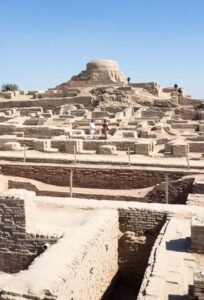
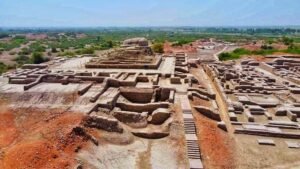
Walking through the ruins allows visitors to imagine life in one of the earliest urban civilizations in human history.
2. Taxila
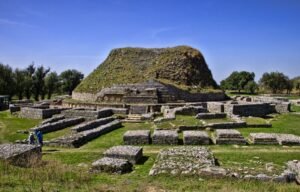
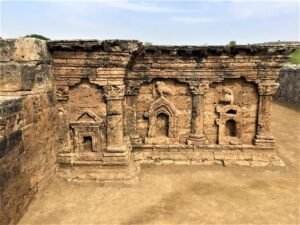
Located near Islamabad, Taxila was once an important center of learning and culture in ancient Asia. The region contains numerous archaeological sites, Buddhist monasteries, and ancient ruins representing the Gandhara civilization.
Visitors can explore monasteries, temples, and museums that highlight centuries of cultural exchange and history.
3. Lahore Fort
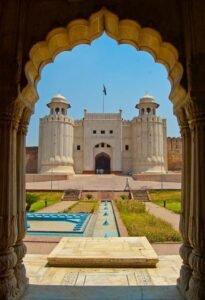
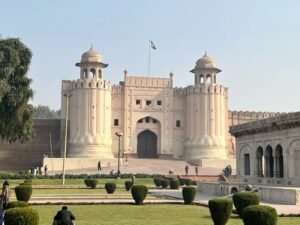
Lahore Fort, also known as Shahi Qila, is one of the most iconic Mughal landmarks in Pakistan. The fort contains magnificent palaces, gardens, and halls decorated with intricate artwork and marble structures.
It stands as a symbol of the grandeur and architectural brilliance of the Mughal Empire.
4. Badshahi Mosque
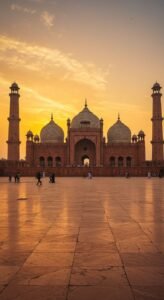
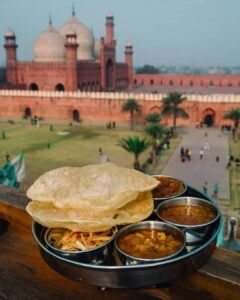
Built in 1673 by Mughal Emperor Aurangzeb, the Badshahi Mosque is one of the largest mosques in the world. The mosque is famous for its grand courtyard, massive domes, and red sandstone architecture.
It remains one of the most visited and admired landmarks in Lahore.
5. Rohtas Fort
Rohtas Fort was constructed in the 16th century by Sher Shah Suri as a powerful military fortress. The massive walls, gates, and watchtowers demonstrate the impressive defensive architecture of the era.
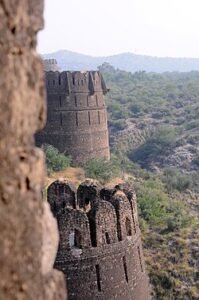
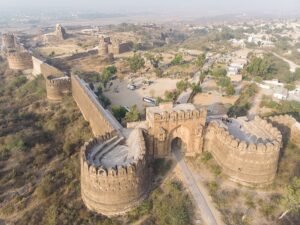
Today it is recognized as a UNESCO World Heritage Site.
6. Makli Necropolis
Makli Necropolis in Thatta is one of the largest burial grounds in the world. The vast complex contains thousands of tombs belonging to kings, saints, scholars, and nobles.
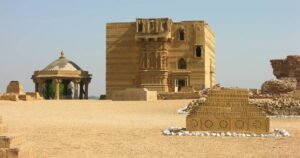
The detailed carvings and architectural styles make it an extraordinary historical landmark.
7. Takht-i-Bahi
Takht-i-Bahi is an ancient Buddhist monastery complex located in Khyber Pakhtunkhwa. Built in the 1st century CE, it remains one of the best-preserved Buddhist archaeological sites in the region.
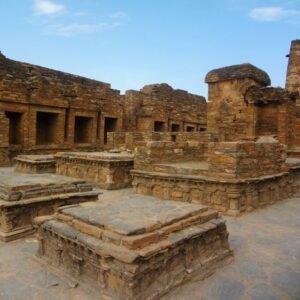
The ruins provide insight into the religious and cultural traditions of the Gandhara civilization.
8. Baltit Fort
Baltit Fort overlooks the breathtaking Hunza Valley in northern Pakistan. The structure dates back more than 700 years and reflects Tibetan architectural influence.
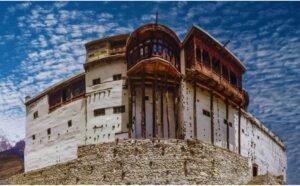
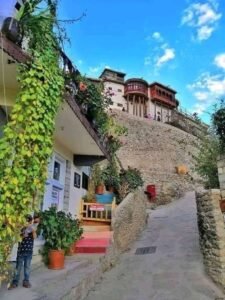
The fort once served as the residence of Hunza’s royal family and now attracts visitors interested in both history and scenic beauty.
9.Fasial Mosque
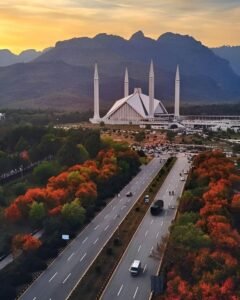
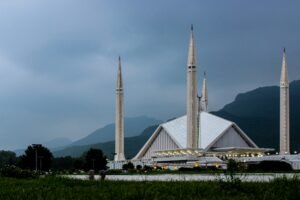
One of the most iconic landmarks of Pakistan is the Faisal Mosque, located at the foothills of the Margalla Hills in Islamabad. Completed in 1986, the mosque was named after King Faisal of Saudi Arabia, who supported its construction as a symbol of friendship between the two countries. Unlike traditional domed mosques, Faisal Mosque features a unique modern design inspired by a Bedouin desert tent, with four towering minarets that give it a striking architectural presence. It can accommodate more than 100,000 worshippers in its courtyard and prayer halls, making it one of the largest mosques in the world.
10. Wazir Khan Mosque
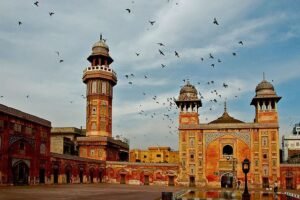
Wazir Khan Mosque is considered one of the most beautiful mosques in South Asia. Built during the Mughal era, it is famous for its colorful tile work, detailed frescoes, and intricate architectural design.
The mosque stands in the heart of Lahore’s historic Walled City.
11. Delhi Gate
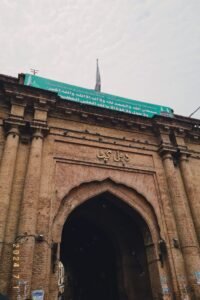
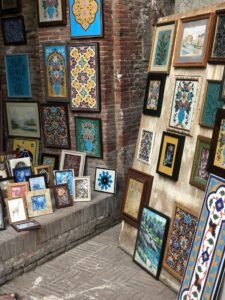
Delhi Gate is one of the historic entrances to the Walled City of Lahore. Walking through the gate leads visitors into vibrant streets filled with traditional markets, historic houses, and cultural landmarks.
The area offers an authentic glimpse into the heritage and daily life of old Lahore.
12. Shalimar Gardens
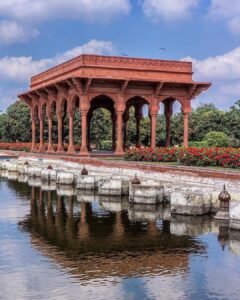
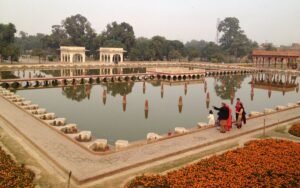
Shalimar Gardens were built during the reign of Mughal Emperor Shah Jahan. The gardens feature beautiful terraces, flowing fountains, and elegant pavilions designed to create a peaceful environment.
They remain one of the most beloved historical attractions in Lahore.
13. Mazar-e-Quaid
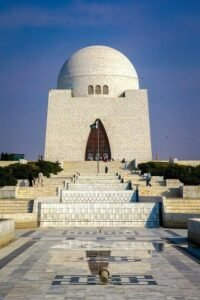
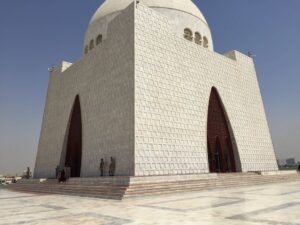
The Mazar-e-Quaid is one of the most significant national monuments in Pakistan and a symbol of respect for the country’s founder, Muhammad Ali Jinnah. Located in the heart of Karachi, this majestic white marble mausoleum was completed in 1970 and stands as a tribute to Jinnah’s leadership and vision in the creation of Pakistan. The structure combines modern and traditional Islamic architectural elements, with a large dome and beautifully designed arches that give it a grand and dignified appearance.
14. Derawar Fort
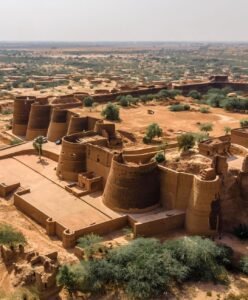
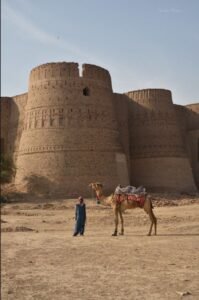
Derawar Fort stands dramatically in the Cholistan Desert with forty towering bastions visible from miles away. The massive structure is one of the most impressive desert forts in Pakistan.
It represents the architectural heritage of the region and the power of historic desert kingdoms.
15. Harappa
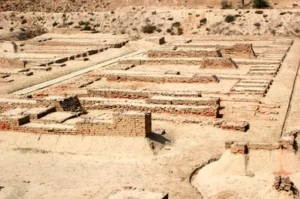
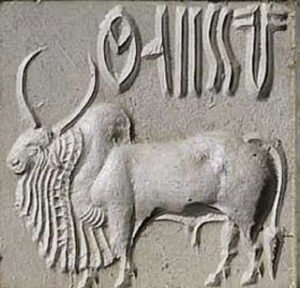
Harappa is another major archaeological site of the Indus Valley Civilization. Excavations have uncovered ancient streets, pottery, tools, and artifacts that reveal the advanced lifestyle of this early civilization.
The site continues to attract archaeologists and historians from around the world.
Why Pakistan is a Paradise for History Lovers
Pakistan’s historical landmarks reflect the legacy of multiple civilizations including the Indus Valley, Gandhara, Persian, Greek, Mughal, and Sikh eras. Each site tells a unique story about cultural exchange, architecture, and human history.
For travelers who enjoy heritage tourism, Pakistan offers an extraordinary opportunity to explore some of the most remarkable historical sites in the world.
Explore Pakistan with Revibe Journeys
At Revibe Journeys, we believe travel is about discovering the stories behind destinations. From ancient archaeological ruins to vibrant cultural cities, Pakistan offers unforgettable experiences for travelers seeking history and adventure.
Whether you are exploring Mughal architecture in Lahore or discovering ancient civilizations in Sindh and Punjab, Revibe Journeys invites you to experience the timeless heritage of Pakistan.
Frequently Asked Questions
What is the most famous historical place in Pakistan?
Mohenjo-daro is one of the most famous historical places in Pakistan as it represents one of the earliest urban civilizations in the world.
Are there UNESCO World Heritage Sites in Pakistan?
Yes, Pakistan has several UNESCO World Heritage Sites including Taxila, Mohenjo-daro, Lahore Fort, Shalimar Gardens, Makli Necropolis, and Takht-i-Bahi.
Which city in Pakistan has the most historical sites?
Lahore is often considered the cultural capital of Pakistan and contains numerous historical landmarks from the Mughal era.
Is Pakistan good for cultural tourism?
Yes. Pakistan offers a rich combination of archaeological sites, historic architecture, and cultural traditions that attract travelers interested in heritage tourism.
