515 / metres
Taxila experiences hot summers, mild winters, and pleasant spring and autumn seasons. Winter and spring are ideal for exploring its archaeological ruins and museums.
Taxila, a UNESCO World Heritage Site, is one of South Asia’s oldest learning and cultural centers. Once a major hub of the Gandhara Civilization, it flourished with Buddhist monasteries, ancient universities, and trade routes. Its archaeological sites reveal a rich blend of Greek, Persian, Central Asian, and Indian influences.
Taxila’s history spans over 3,000 years, beginning with early Vedic settlements and reaching its peak under the Gandhara Civilization. It became a renowned ancient university city where scholars from Greece, Persia, and India once studied. Influenced by Achaemenid, Greek, Kushan, and Buddhist cultures, Taxila served as a major center of learning, trade, and spirituality.
Spring and winter offer the best weather in Taxila, with cool breezes and clear skies perfect for exploring outdoor archaeological sites. Summer temperatures can become intense, especially midday. Autumn remains warm but comfortable, while the monsoon brings short spells of rain that freshen the landscape.
Taxila’s local cuisine reflects authentic Punjabi flavors—fresh tandoori naan, kebabs, channa, lentils, and home-style curries. Roadside dhabas offer parathas, chai, and grilled meats. Visitors can also enjoy regional sweets such as jalebi and patisa, adding traditional taste to the historic ambiance.
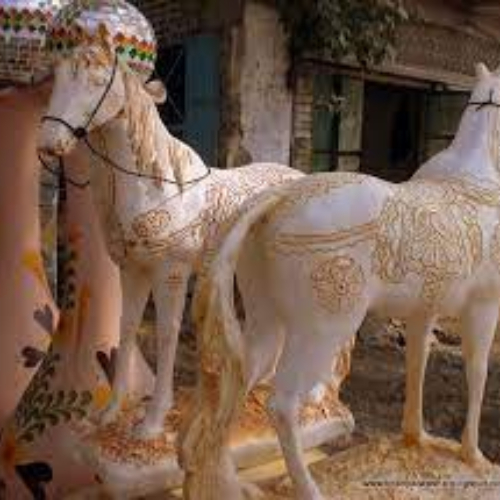
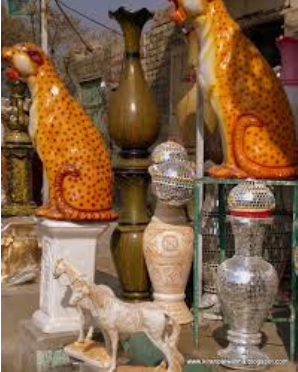
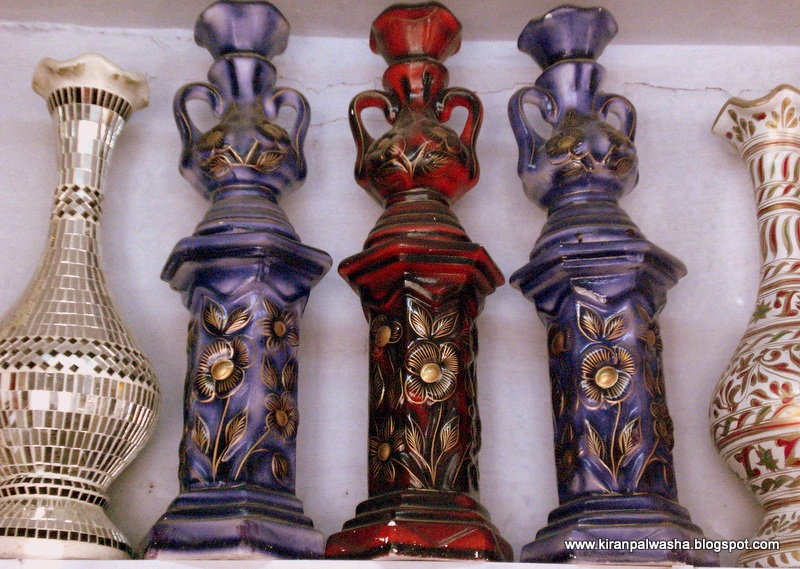
Taxila is famous for Gandharan art, especially stone sculptures depicting Buddha and ancient Buddhist motifs. Local artisans continue to produce replicas, pottery, metal crafts, and hand-carved decorative pieces. The region’s museums showcase some of the finest ancient sculptures and relics found in South Asia.
The city and surrounding villages are home to Punjabi-speaking communities engaged in education, archaeology-related tourism, agriculture, and small businesses. The population reflects a blend of modern lifestyles and traditional cultural values, with many families rooted in the region for generations.
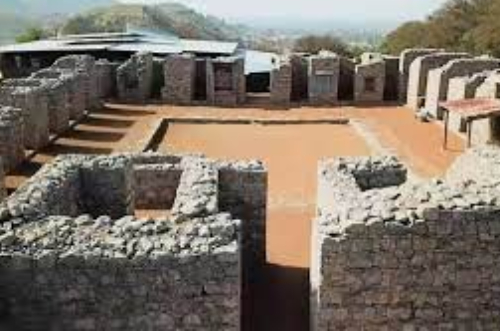
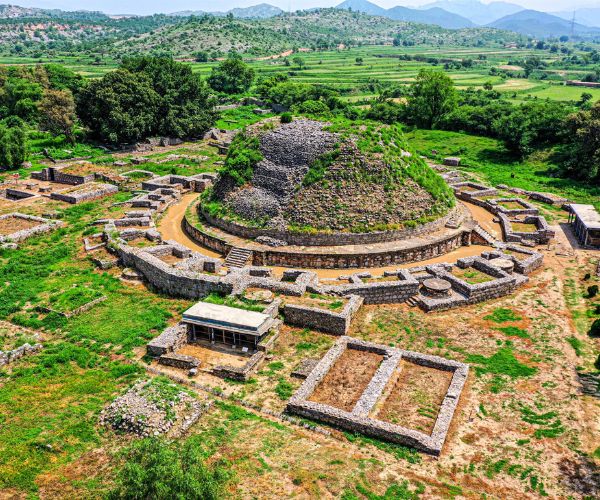
Built in the 2nd century BCE by Emperor Ashoka, this sacred Buddhist stupa is believed to contain the relics of Buddha. Surrounding the main stupa are monastic cells and smaller stupas, making it a major pilgrimage site for Buddhists.
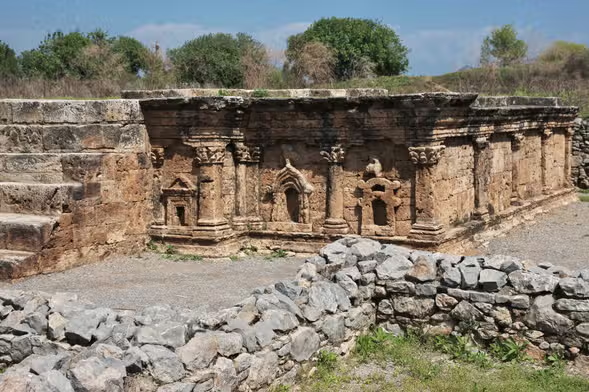
Jaulian is an ancient monastic complex where Buddhist monks once lived and studied. It features: Well-preserved stupas and statues of Buddha. Stone-carved inscriptions narrating Buddhist teachings. Meditation chambers offering insight into ancient Buddhist practices.
A unique archaeological site reflecting the influence of Greek, Persian, and Buddhist architecture. Built during the Indo-Greek period (2nd century BCE), Sirkap showcases: The Double-Headed Eagle Stupa, an artistic marvel. Remnants of houses, temples, and a drainage system, highlighting an advanced civilization.
A lesser-known yet well-preserved Buddhist monastery with beautifully carved stupas and meditation cells. The serene surroundings make it a peaceful retreat for those looking to escape the crowds.
Home to one of the finest collections of Gandhara art, the museum displays: Buddhist sculptures, stupas, and relics. Ancient coins, jewelry, and pottery from the Kushan and Indo-Greek periods. Stone-carved Buddha heads and Bodhisattva statues showcasing remarkable craftsmanship.
An ancient Zoroastrian temple, influenced by Greek architecture, with tall columns and stone walls, resembling a Greek Parthenon.
Taxila was once among the world’s earliest universities, attracting students from Greece, China, and across Asia. It played a key role in the spread of Buddhism and Gandharan art. The area contains over 25 major archaeological sites, including Sirkap, Dharmarajika Stupa, and Jaulian Monastery.