6,000 / metres
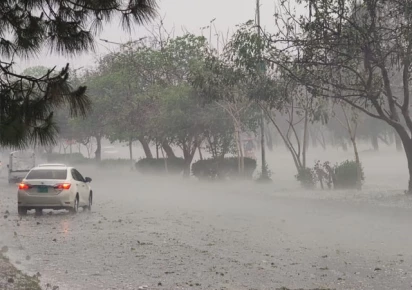
Swat Valley has a temperate climate with warm summers, cold winters, and moderate rainfall. Spring and autumn are mild, making these seasons ideal for sightseeing and outdoor activities.
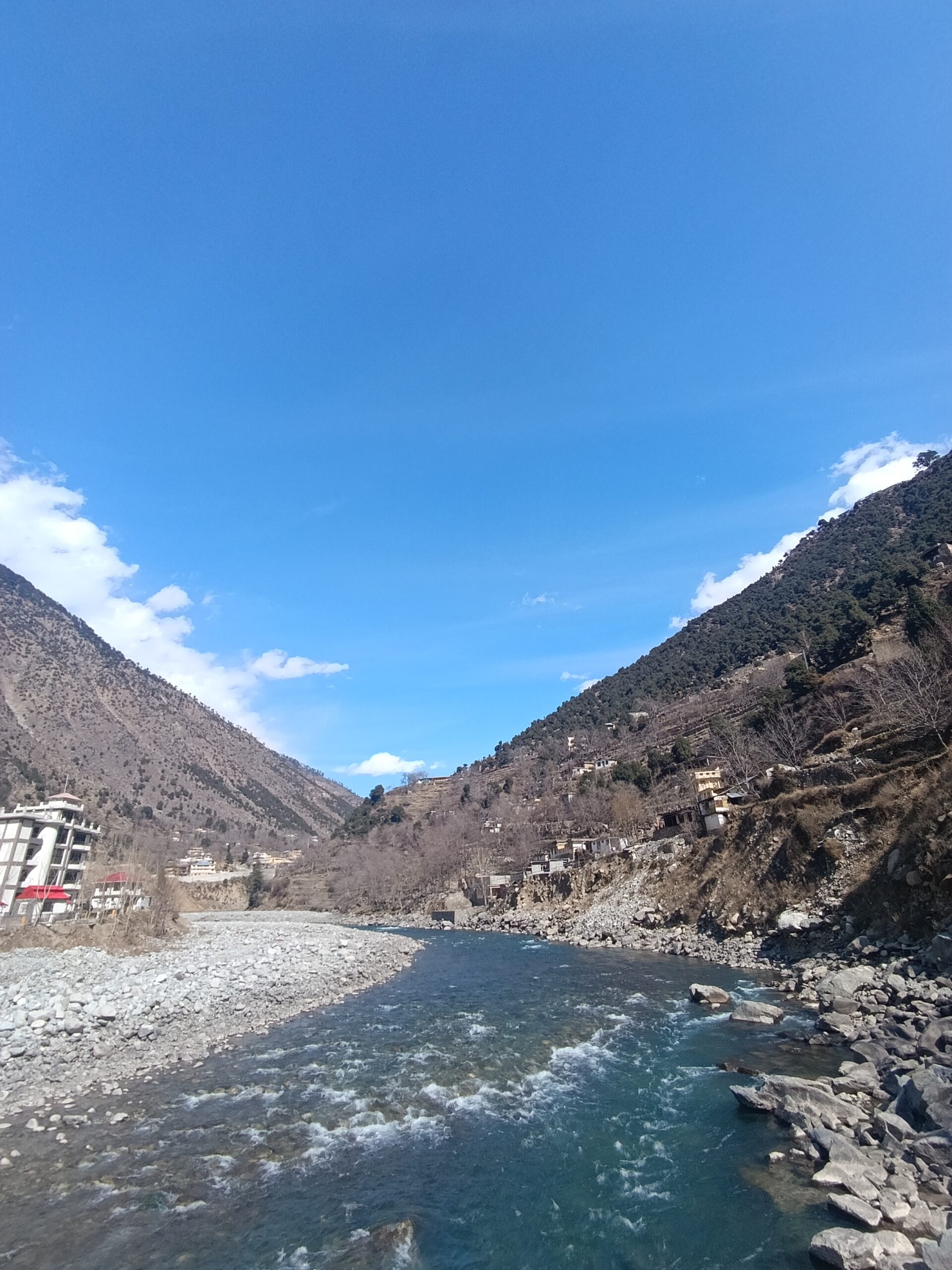
Swat Valley, located in Khyber Pakhtunkhwa, Pakistan, is known as the “Switzerland of the East” for its lush green valleys, rivers, and snow-capped mountains. The valley is rich in natural beauty, cultural heritage, and historical sites, including ancient Buddhist stupas and forts. Swat is a popular tourist destination for trekking, sightseeing, and experiencing traditional Pashtun culture.
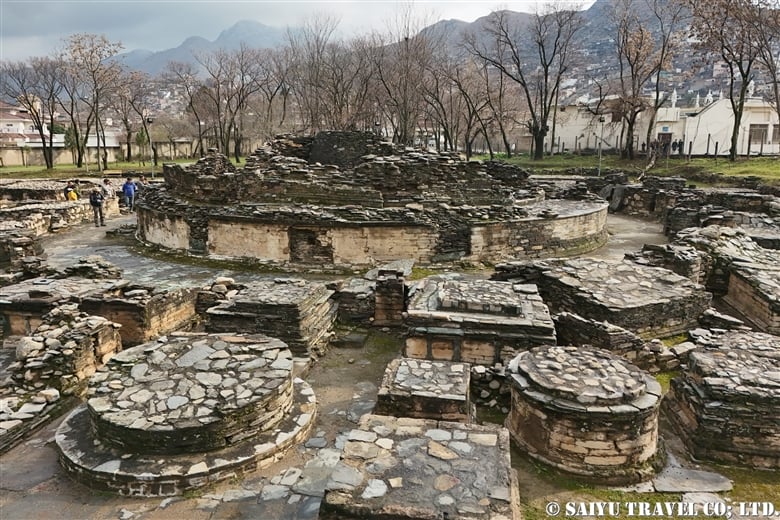
Swat Valley has a rich history, dating back to ancient Buddhist civilizations around 500 BCE, with remnants like Butkara Stupa and Udegram ruins. The valley later saw influences from Gandhara, Hindu, and Islamic cultures. Historically, it served as a trade and cultural hub, blending diverse traditions that continue to shape its unique heritage today.
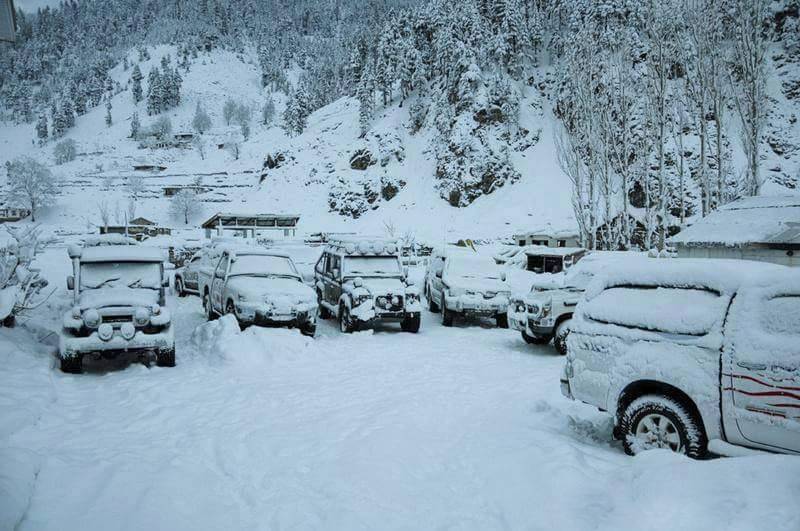
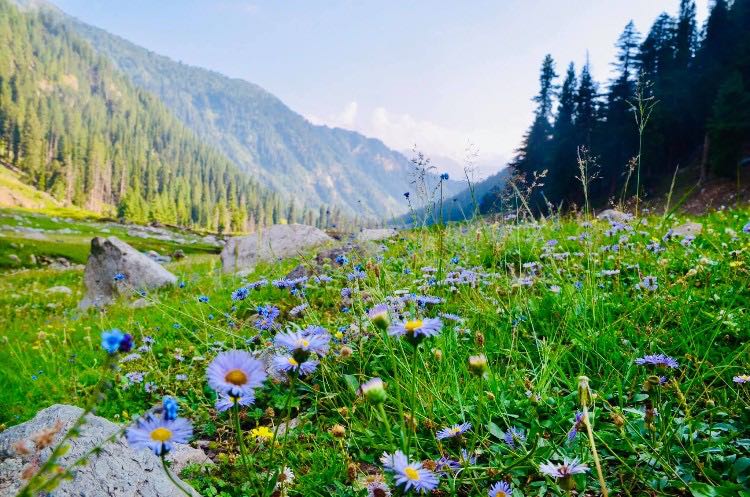
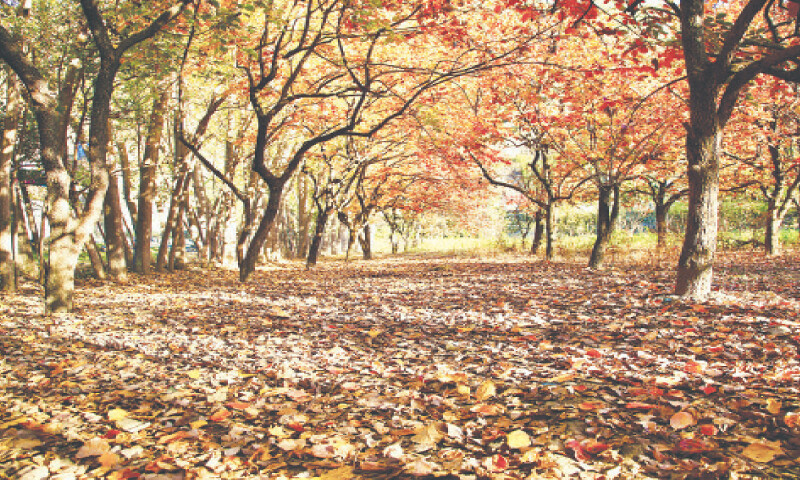
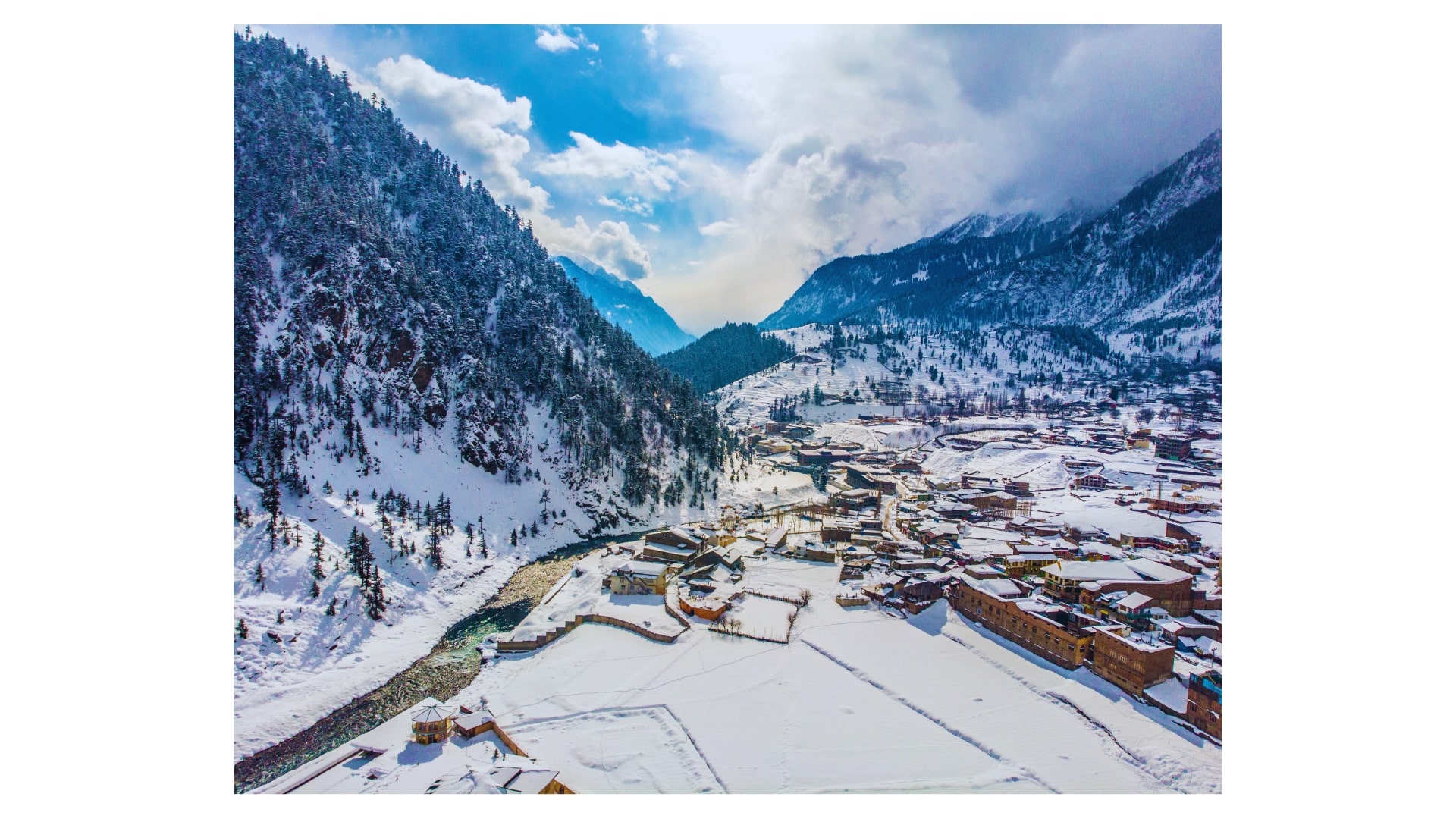
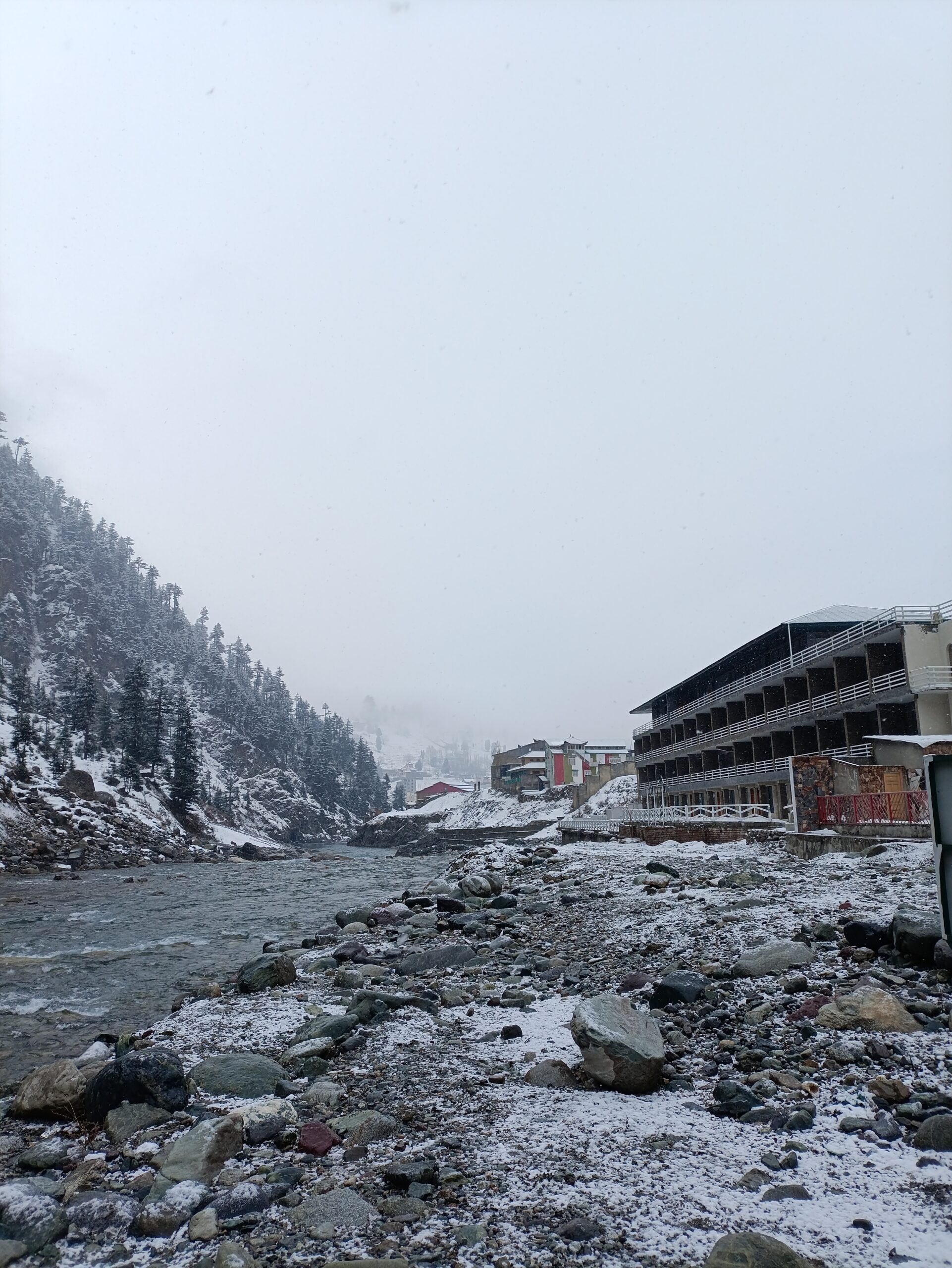
Swat Valley experiences four main seasons. Spring brings blossoming gardens and mild temperatures, summer is warm and ideal for trekking, autumn showcases colorful foliage, and winter is cold with snow in higher elevations. Each season highlights the valley’s natural beauty, from green meadows in summer to snow-covered peaks in winter, attracting tourists year-round.
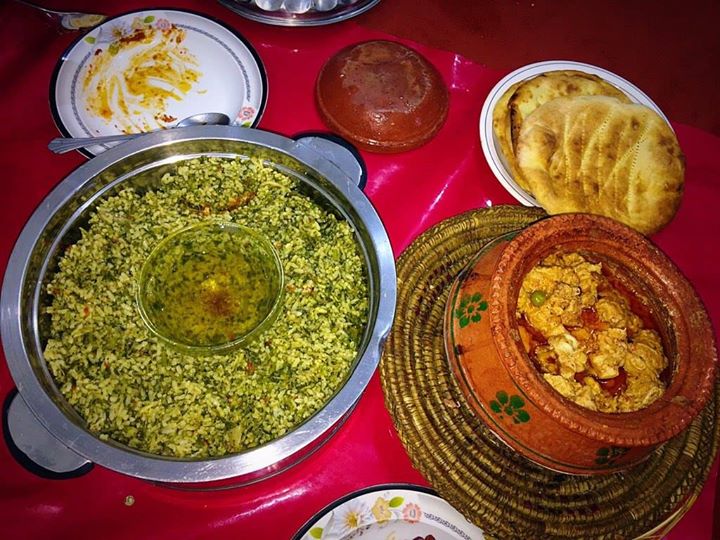
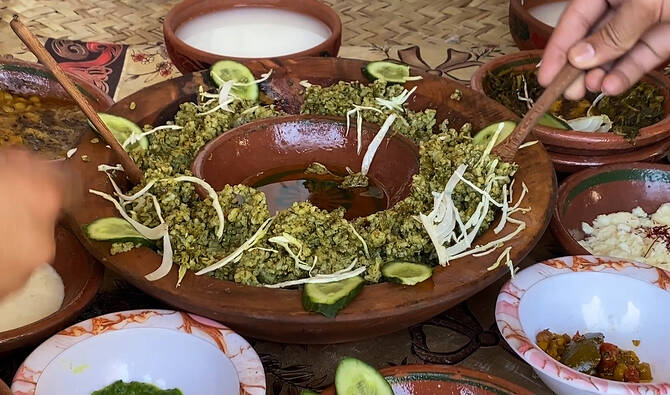
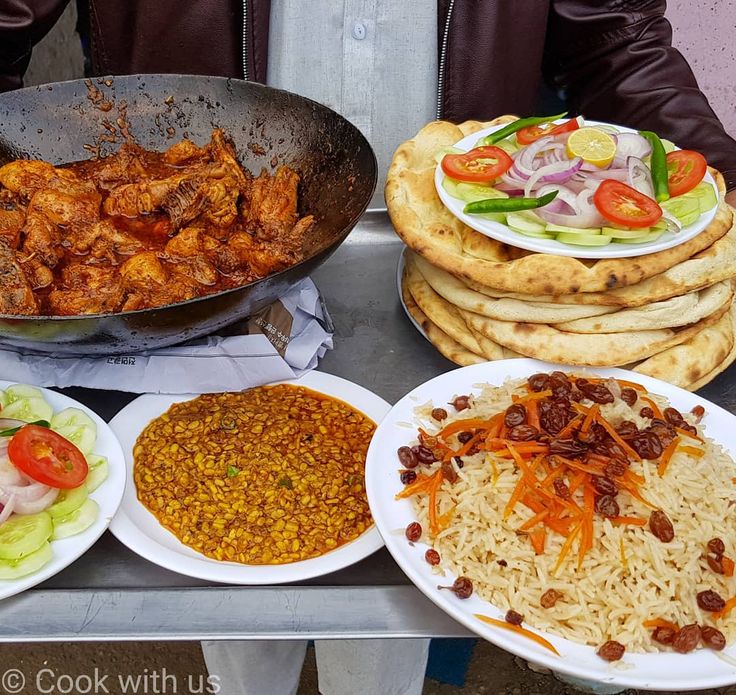
Swat Valley is famous for traditional Pashtun cuisine, including dishes like Chapli Kebab, Lamb Karahi, Saag, and Kabuli Pulao. Local specialties also include walnut and apricot-based sweets, dairy products, and fresh fruits. Visitors can enjoy street food as well as meals in local restaurants, offering authentic flavors that reflect the valley’s agricultural produce and rich culinary traditions.
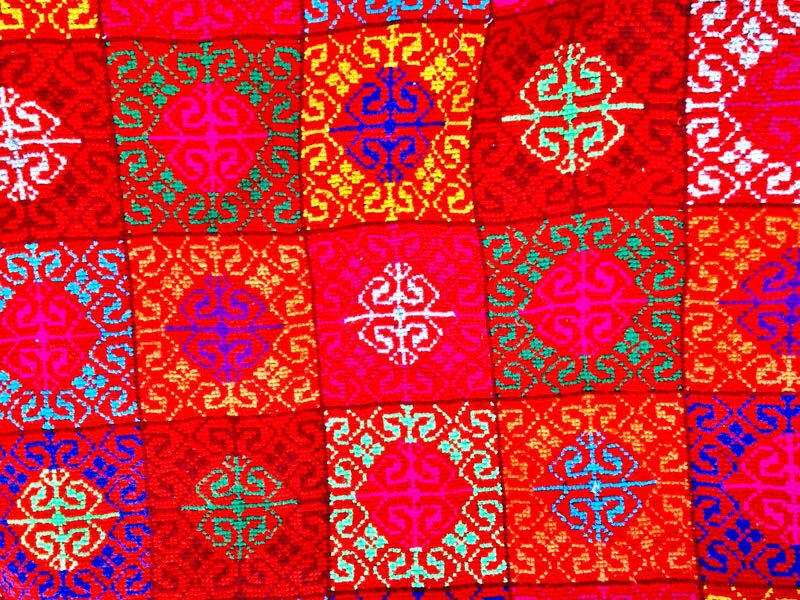
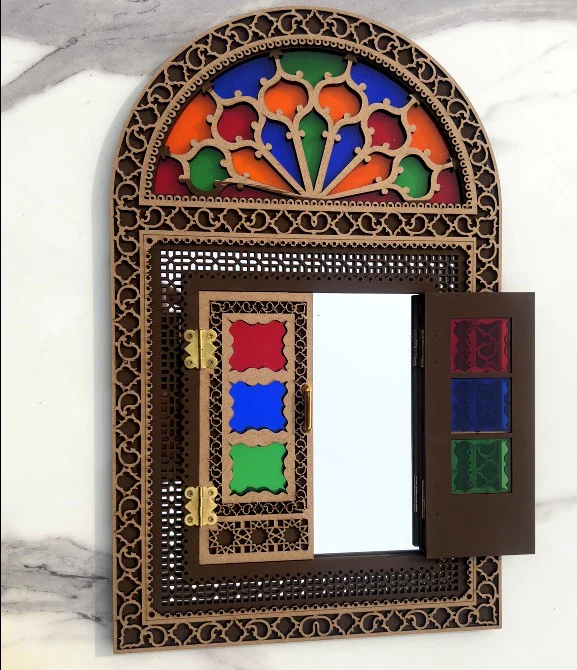
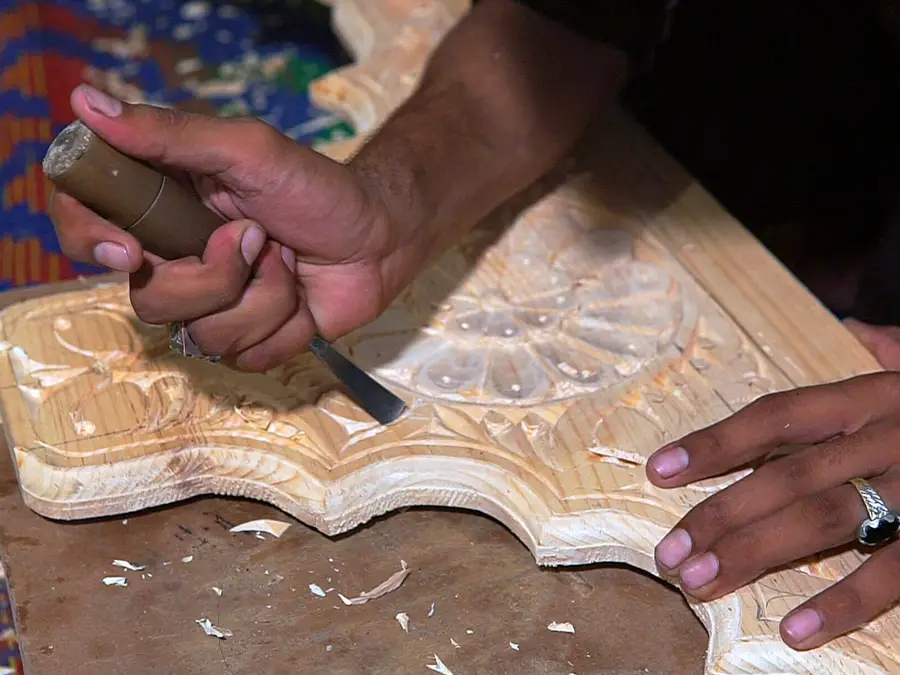
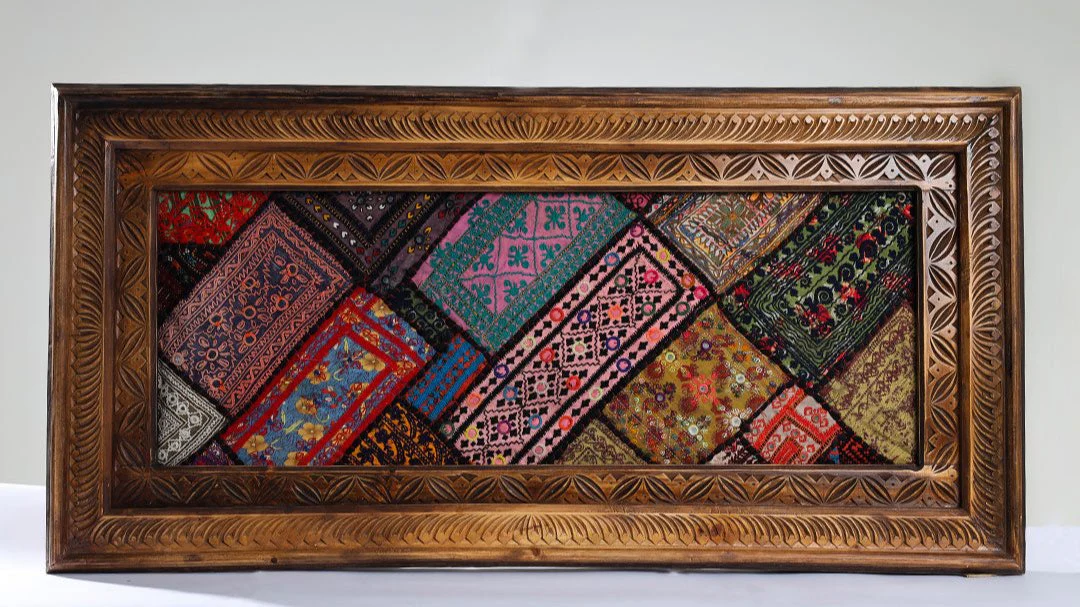
Swat Valley is known for its handicrafts, embroidery, woodwork, and gemstone jewelry. Artisans produce intricate Pashmina shawls, carved wooden items, and traditional Pashtun embroidery. Local markets and cultural centers showcase these crafts, preserving centuries-old techniques. Visitors can purchase handmade items that reflect the valley’s artistic heritage and the creativity of Swat’s skilled craftsmen.
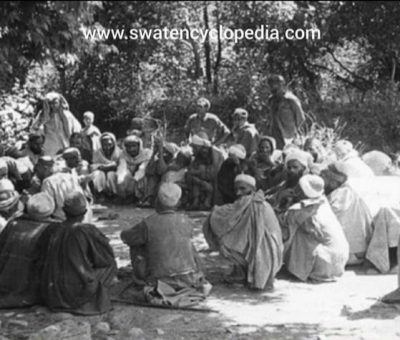
Swat Valley has a population of approximately 2.3 million, primarily Pashtuns, speaking Pashto. The majority follow Islam, with a mix of cultural practices influenced by centuries of Buddhist, Hindu, and Islamic heritage. Agriculture, tourism, and small-scale trade are the main occupations. The local population is known for hospitality, preserving traditions, and a strong sense of community and cultural identity.
Pakistan’s only ski resort, offering skiing, snowboarding, zip-lining, and chairlifts.
A stunning alpine valley with breathtaking views, rivers, and waterfalls.
A pristine glacial lake surrounded by towering mountains and pine forests.
A dense green forest, perfect for trekking, camping, and photography.
An off-the-beaten-path paradise known for its serenity and trout fishing.
The commercial and cultural heart of Swat, featuring historical sites, bazaars, and the Swat Museum.
Explore Butkara Stupa, Jehanabad Buddha, and Udegram Buddhist ruins, reflecting the rich Gandhara heritage.
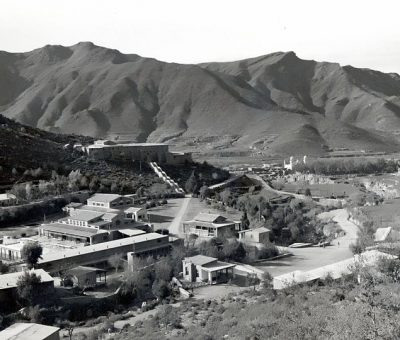
Swat Valley is often called the “Switzerland of the East” for its stunning landscapes. It is home to Malam Jabba ski resort, Mingora city, and ancient Buddhist ruins. The valley boasts rivers, waterfalls, and lush meadows, supporting wildlife and natural beauty. Swat has a rich cultural history, making it a hub for tourism, trekking, and exploring traditional Pashtun life.