122 m (400 ft) / metres
Hot desert climate with extremely hot summers and mild winters
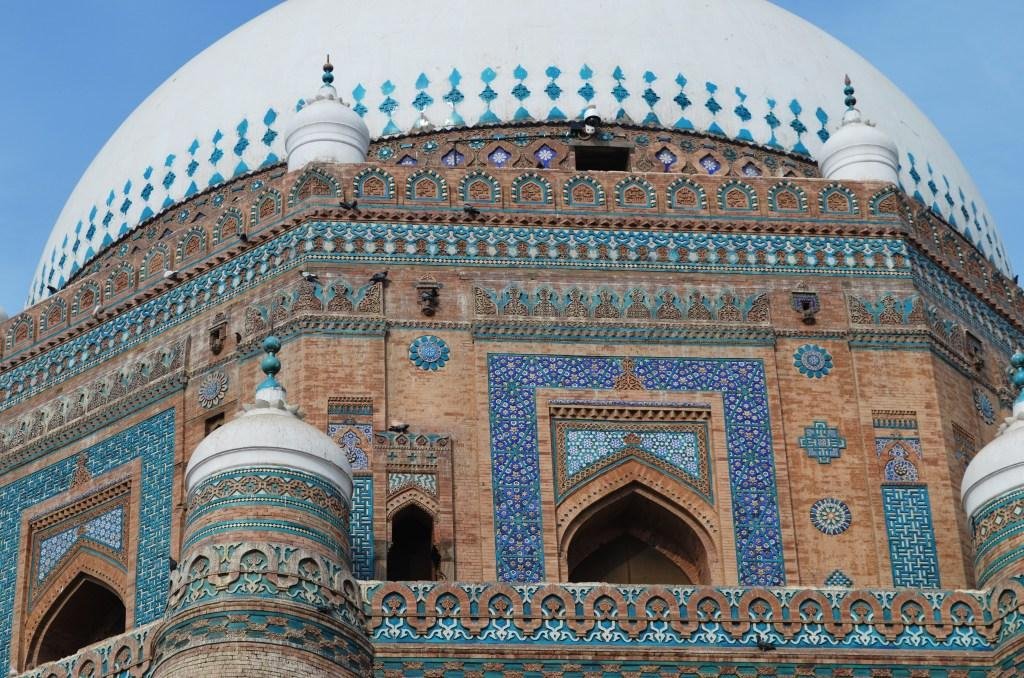
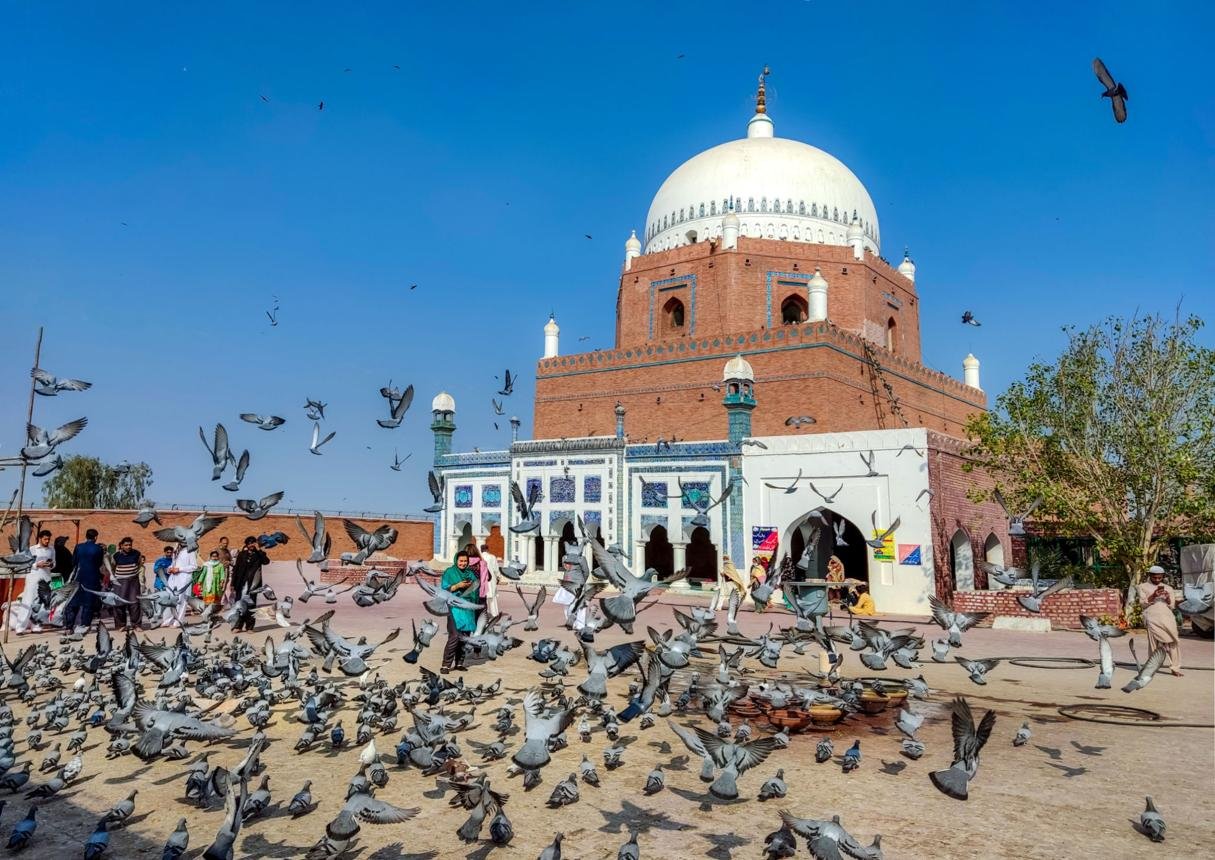
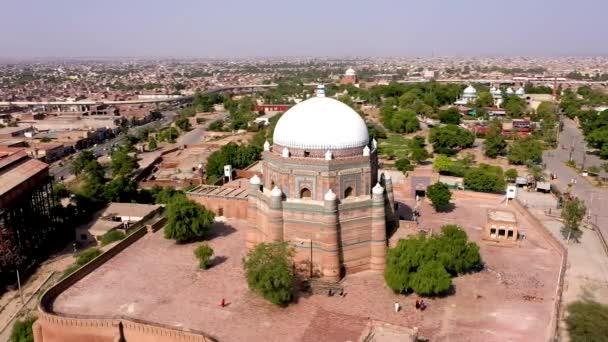
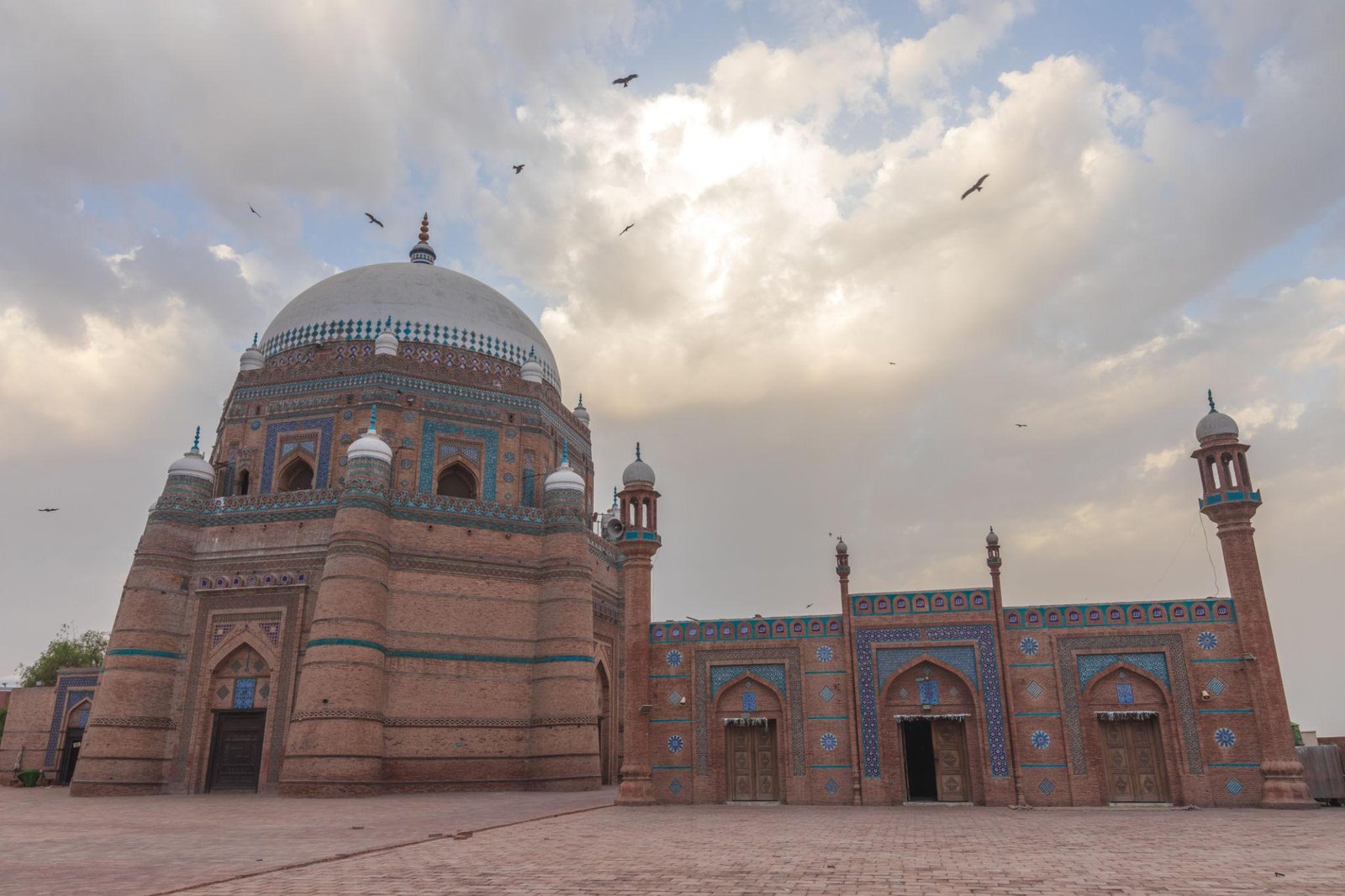
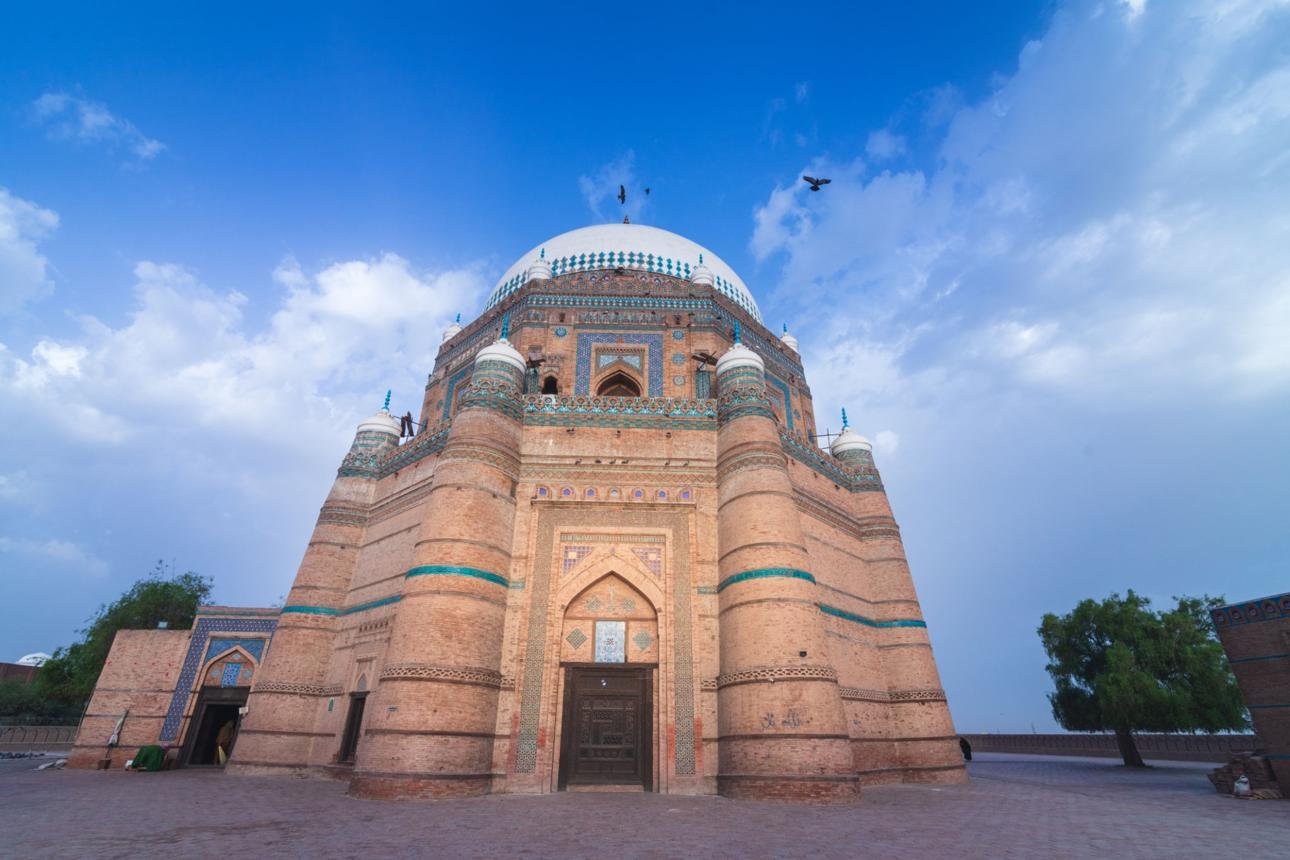
Multan, widely known as the City of Saints, is a historic and culturally rich destination located in the southern region of Punjab, Pakistan. With a history spanning thousands of years, the city is renowned for its spiritual significance, ancient architecture, and vibrant traditions. It is home to some of the most iconic Sufi shrines, beautifully decorated with intricate blue tiles that reflect the artistic heritage of the region.
The city offers a unique blend of past and present, where centuries-old landmarks stand alongside bustling markets filled with traditional crafts, pottery, and textiles. it is also famous for its warm hospitality and delicious local cuisine, making it a welcoming destination for visitors from all walks of life.
As a travel destination, it provides an enriching experience for those interested in history, culture, and spirituality. Its timeless charm, combined with modern accessibility, makes it an ideal place to explore and discover the true essence of Pakistan’s heritage.
Multan is one of the oldest living cities in South Asia, with a history that dates back over 5,000 years. Situated along ancient trade routes, the city has been a significant center for commerce, culture, and religion since early civilizations. It is believed that this city was once part of the Indus Valley Civilization, making it a key location in the early development of human settlement in the region.
Throughout history, it has been ruled by various dynasties and empires, including the Persians, Greeks, Mauryans, and later the Delhi Sultanate and Mughal Empire. Each era left its mark on the city’s architecture, culture, and traditions. During the reign of the Mughals, this city flourished as a center of art, trade, and Islamic learning, further strengthening its importance in the region.
It is especially renowned for its deep spiritual heritage, earning the title “City of Saints” due to the presence of numerous Sufi shrines. Influential saints such as Bahauddin Zakariya and Shah Rukn-e-Alam played a vital role in spreading Sufism and shaping the city’s religious identity. Their shrines continue to attract thousands of pilgrims and visitors every year.
In the colonial period, this city became part of British India, which brought changes in administration and infrastructure. After the independence of Pakistan in 1947, the city continued to grow as an important cultural and economic hub of southern Punjab.
Today, it stands as a symbol of historical depth and spiritual richness, where ancient traditions coexist with modern development. Its long and diverse history makes it a fascinating destination for anyone interested in exploring the roots of civilization and culture in the region.
Multan experiences a hot desert climate with distinct seasons throughout the year, each offering a different perspective of the city’s environment and lifestyle.
Summers in Multan are extremely hot, with temperatures often exceeding 40°C. The weather is dry and intense, making it the least favorable time for outdoor travel. However, it reflects the true desert-like climate of the region.
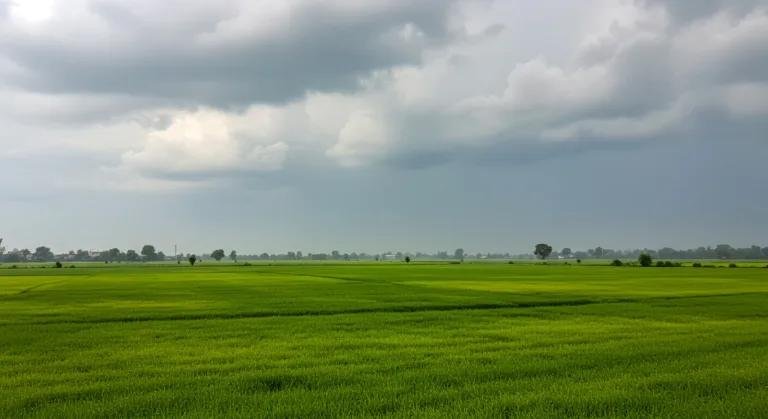
During the monsoon season, Multan receives limited but refreshing rainfall. The showers bring temporary relief from the scorching heat and add a touch of freshness to the otherwise dry surroundings.
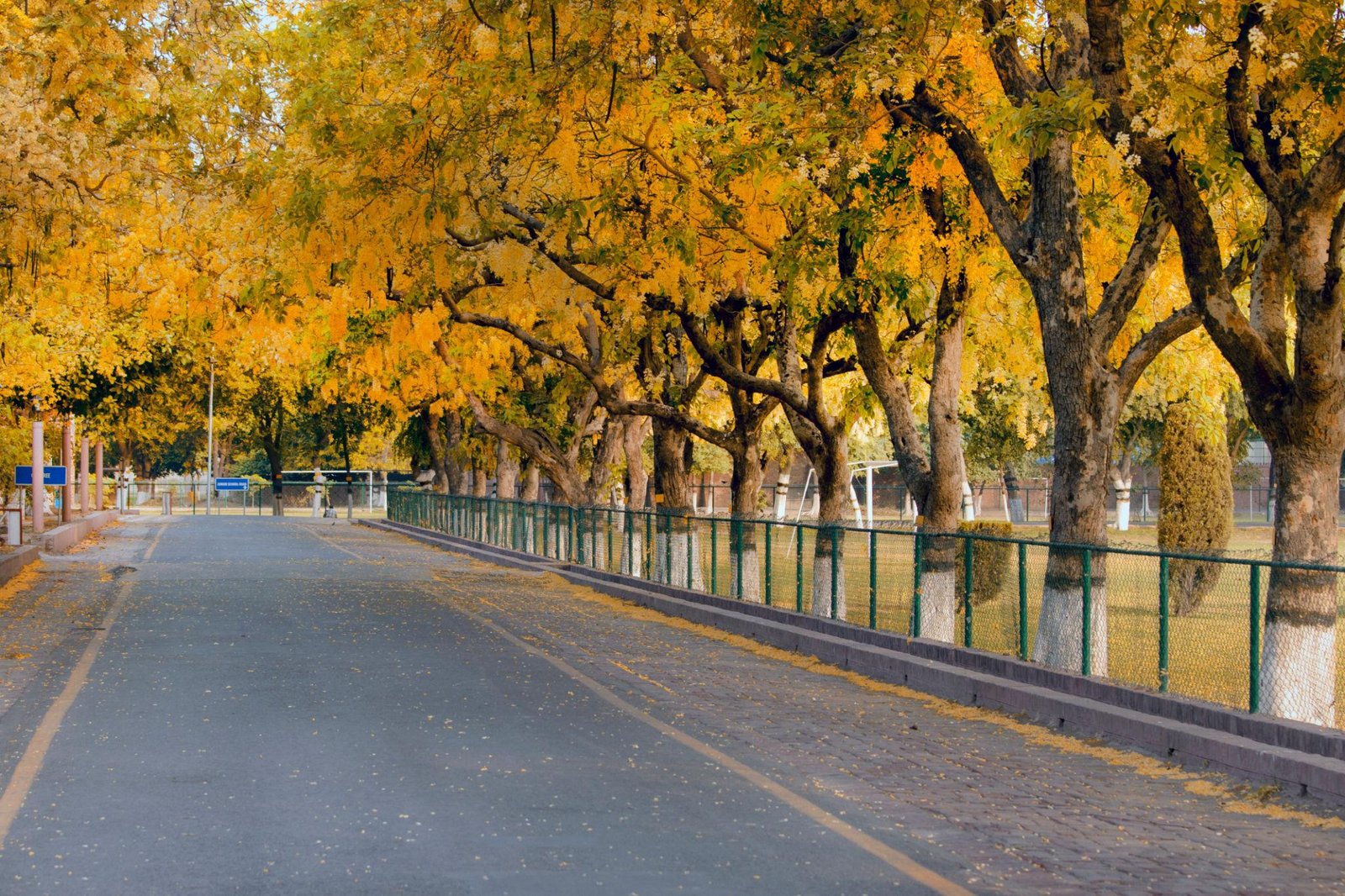
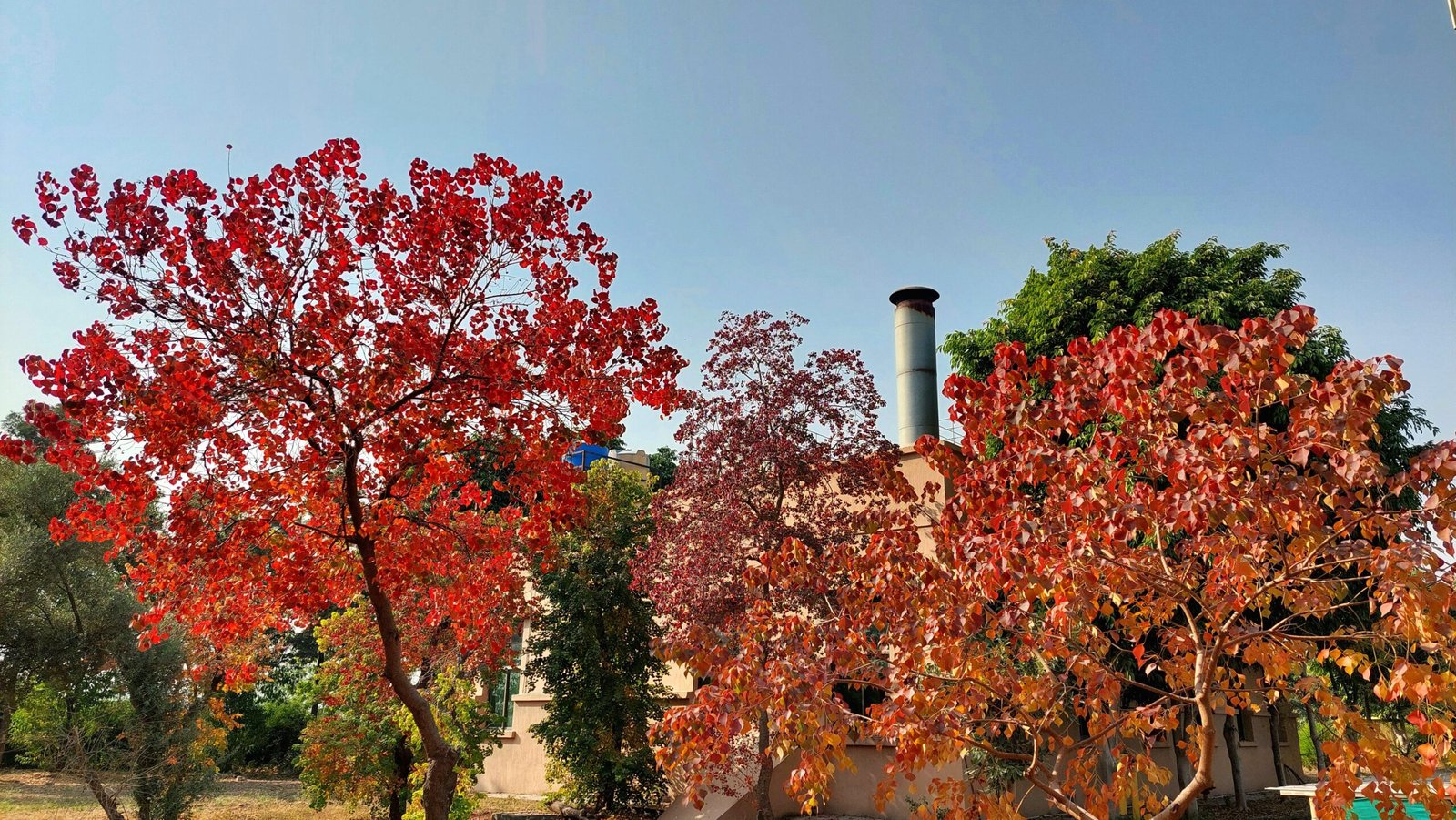
Autumn brings a pleasant change in weather, with temperatures gradually cooling down. It is a comfortable time to explore the city, with clear skies and mild conditions.
Winters in Multan are mild and enjoyable, with temperatures ranging between 5°C and 20°C. This is considered one of the best times to visit, as the weather is ideal for sightseeing and outdoor activities.
Spring is a beautiful season in Multan, marked by blooming flowers and moderate temperatures. The city looks vibrant and welcoming, making it another great time for tourists to visit and explore.
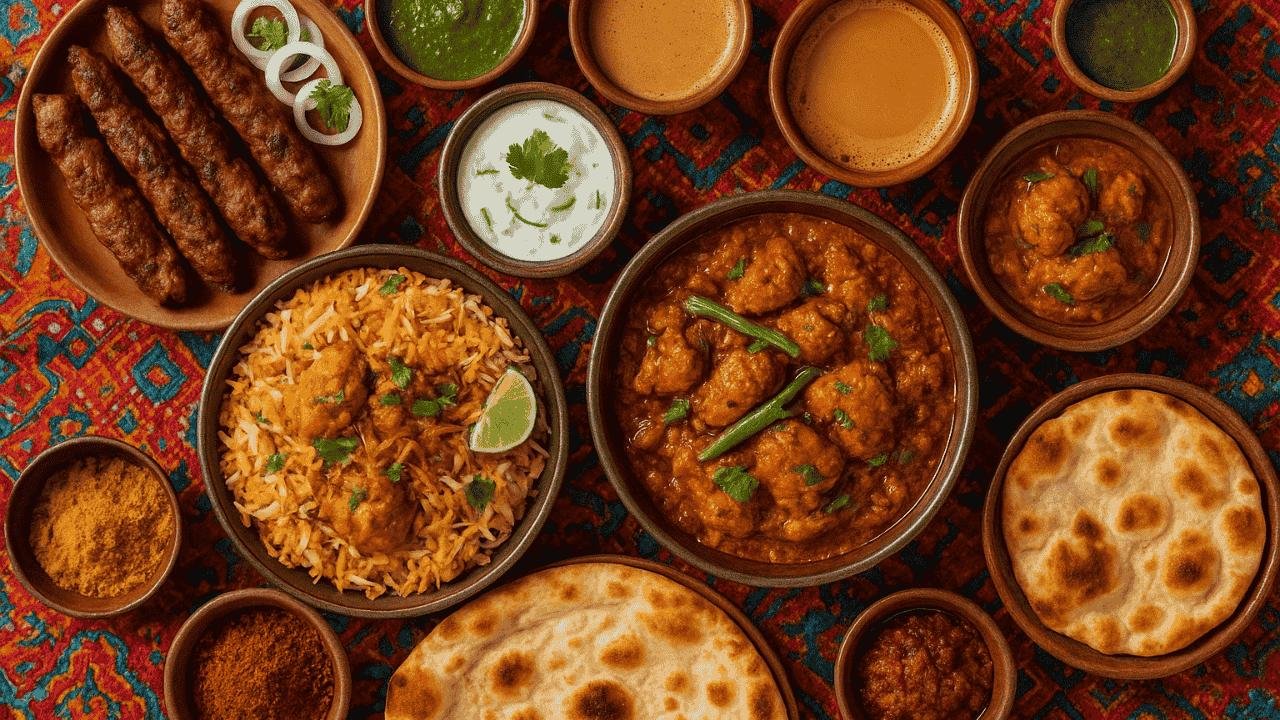
The food of Multan is a vibrant reflection of its culture, traditions, and rich heritage. Known for its bold flavors and aromatic spices, Multani cuisine offers a delightful experience for food lovers. The city’s culinary scene ranges from traditional home-cooked meals to bustling street food, each showcasing the authentic taste of southern Punjab.
Multan is well known for classic Pakistani dishes such as biryani, pulao, nihari, and mutton karahi. These dishes are cooked using traditional methods and a unique blend of spices that create deep, rich flavors. Freshly baked naan and tandoori roti are commonly served alongside these meals, enhancing their taste.
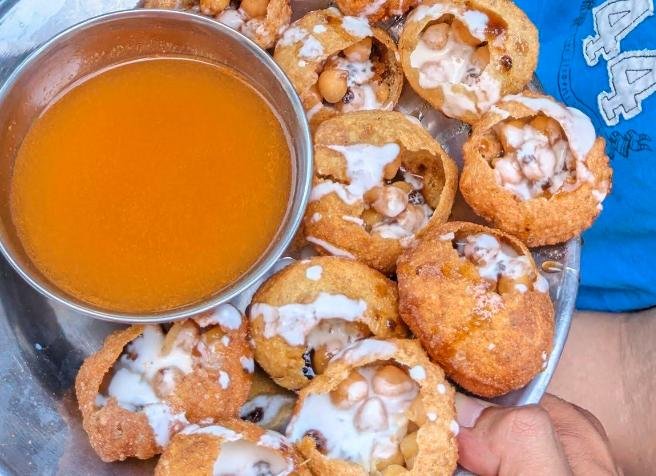
Street food plays a major role in Multan’s food culture. Visitors can enjoy popular items like samosas, chaat, gol gappay, and dahi bhallay from local vendors. These snacks are freshly prepared and are perfect for a quick and flavorful bite while exploring the city.
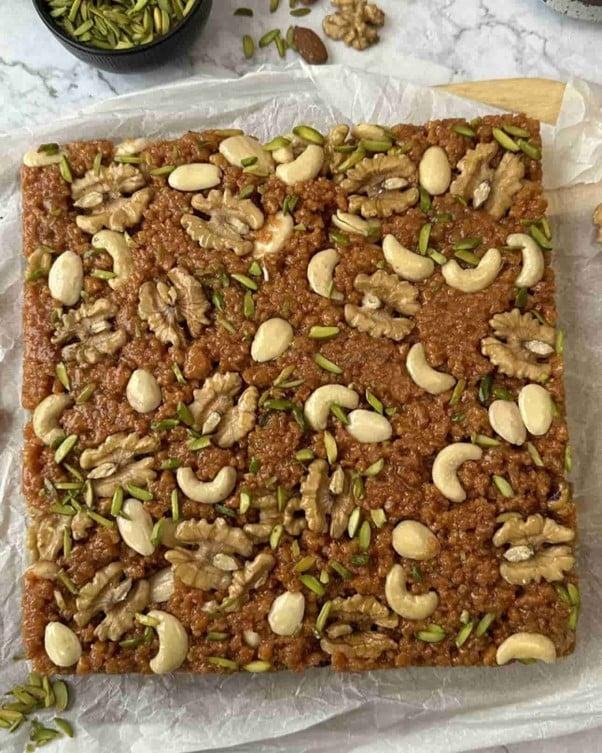
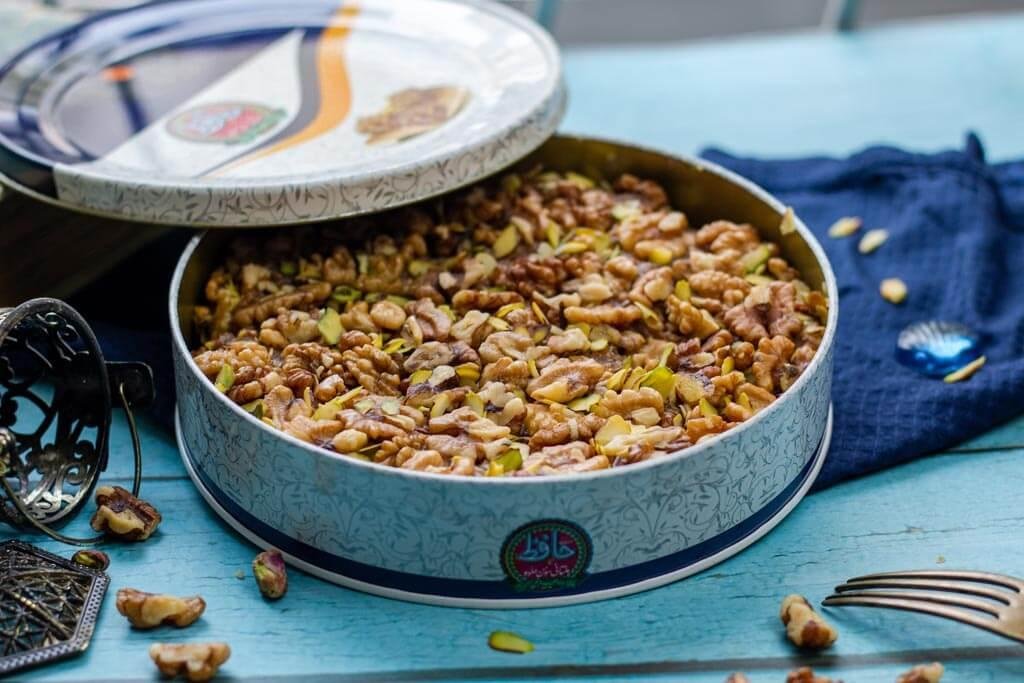
Multan is especially famous for its traditional dessert, Sohan Halwa. This rich and sweet delicacy, made with ghee, sugar, and nuts, is a signature treat of the city. Other sweets like jalebi, gulab jamun, and kheer are also widely enjoyed by locals and tourists alike.
To cope with the city’s hot climate, refreshing beverages are an essential part of daily life. Lassi, sugarcane juice, and traditional sherbets are commonly consumed and provide a cooling effect during the hot summer months.
Overall, the food and cuisines of Multan offer a perfect blend of taste, tradition, and hospitality, making it an essential part of the city’s cultural identity and a memorable experience for every visitor.
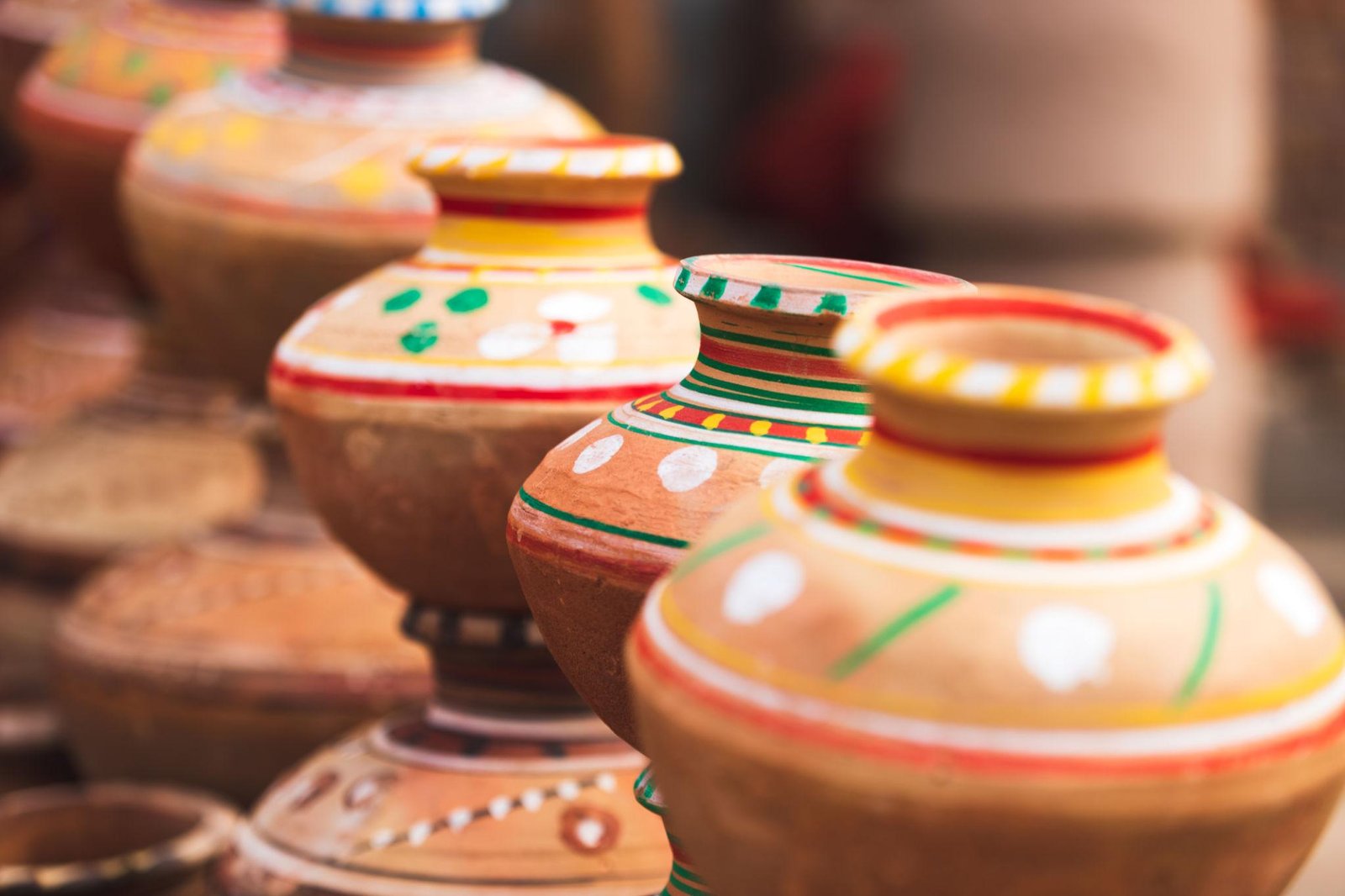
Multan is widely recognized for its rich tradition of arts and crafts, reflecting centuries of cultural heritage and skilled craftsmanship. The city has long been a center for artisans who create beautiful handmade items that are admired both locally and internationally. These crafts not only represent the artistic identity of Multan but also play an important role in preserving its traditions.
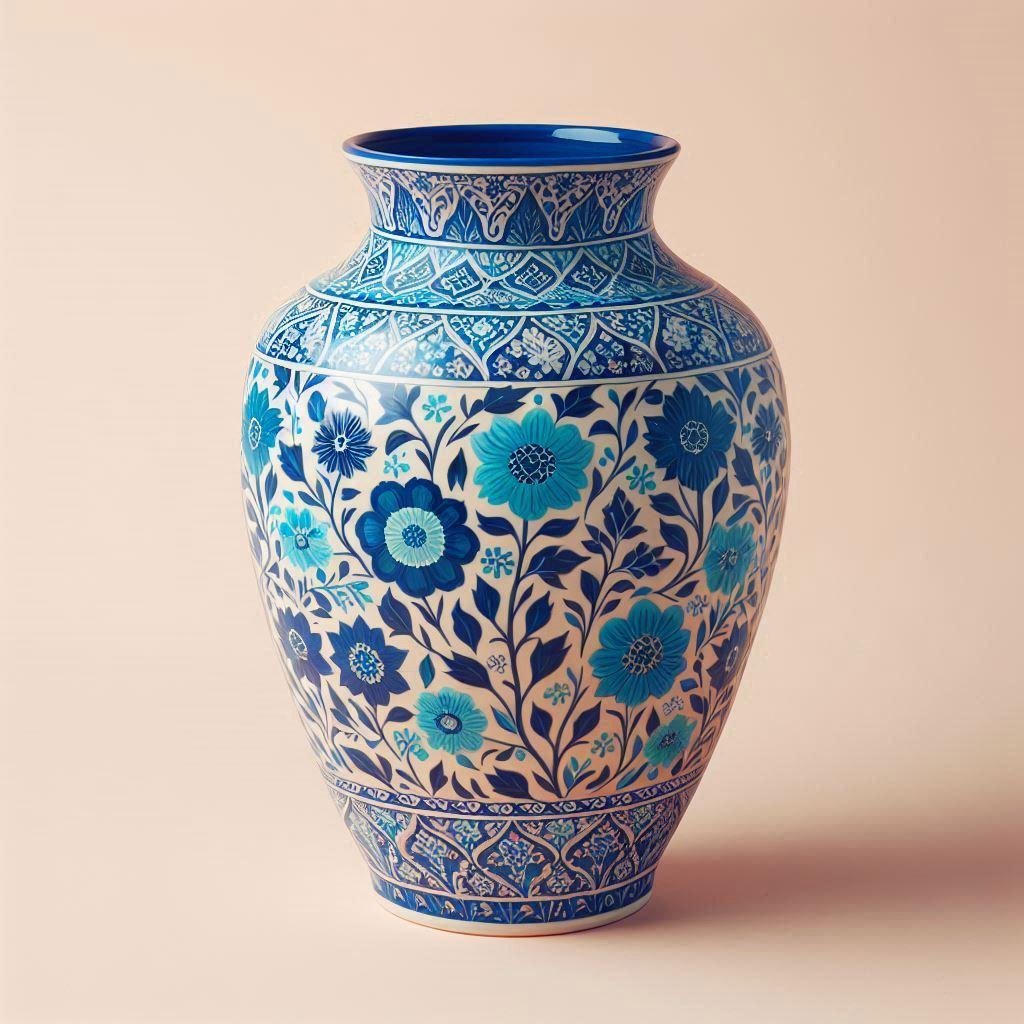
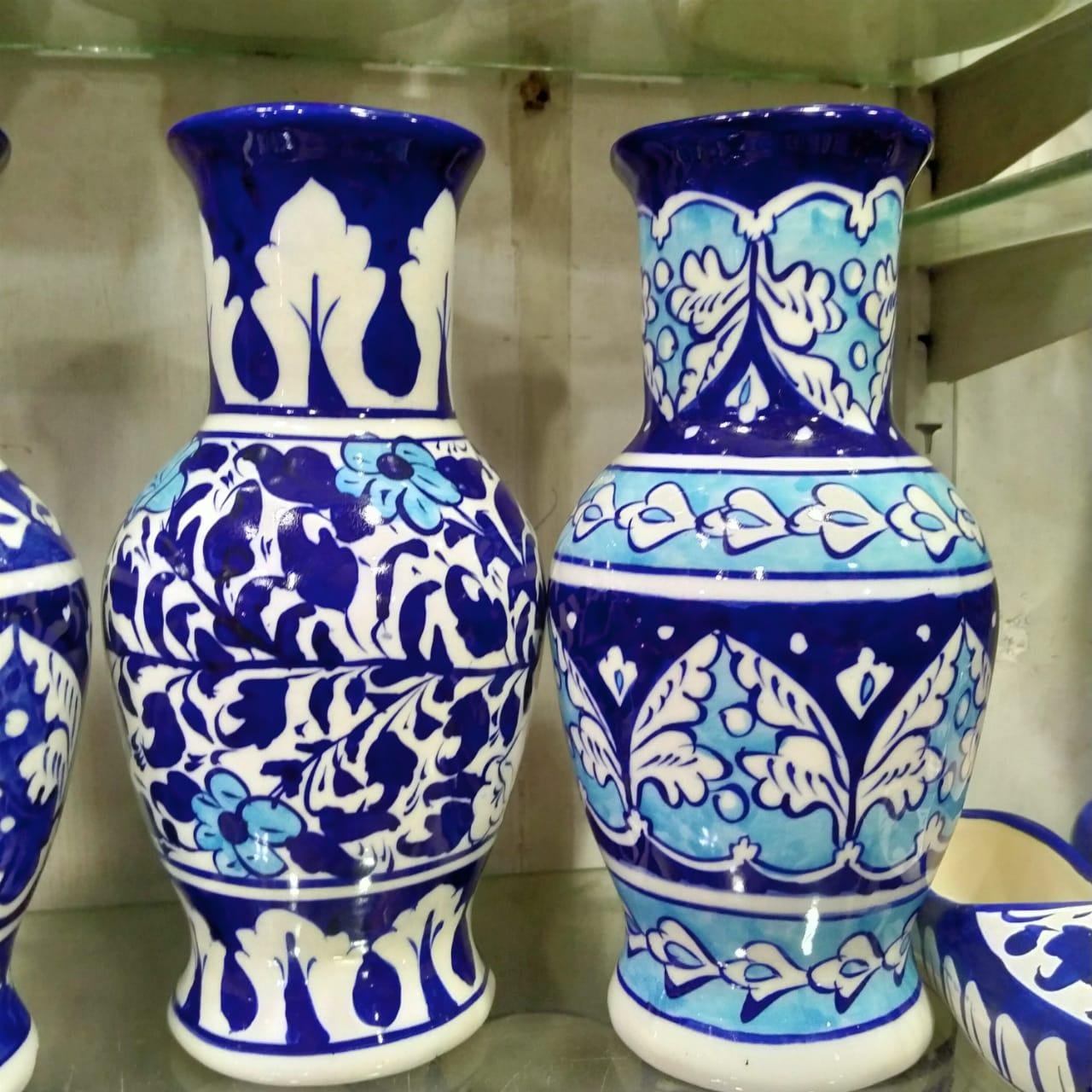
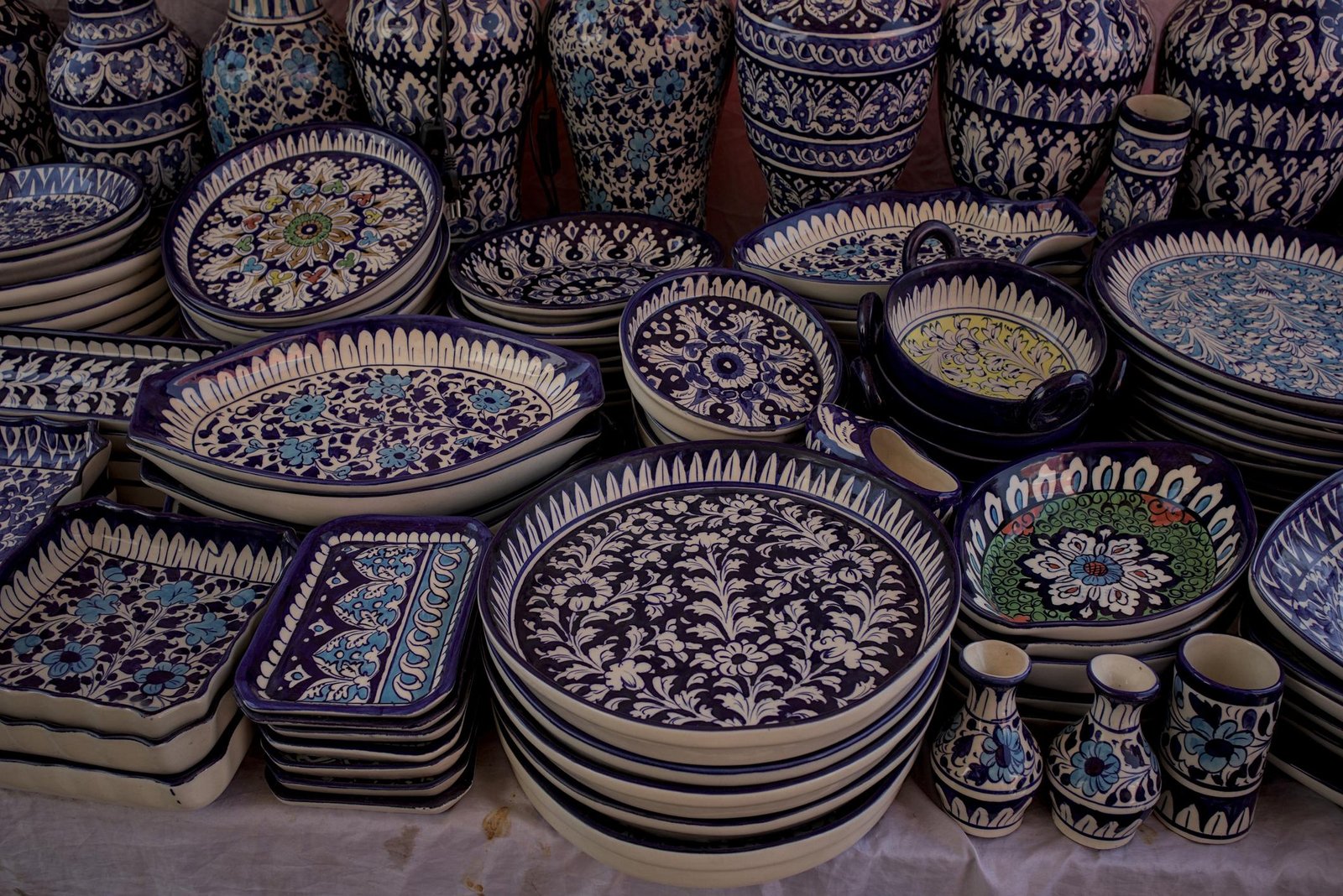
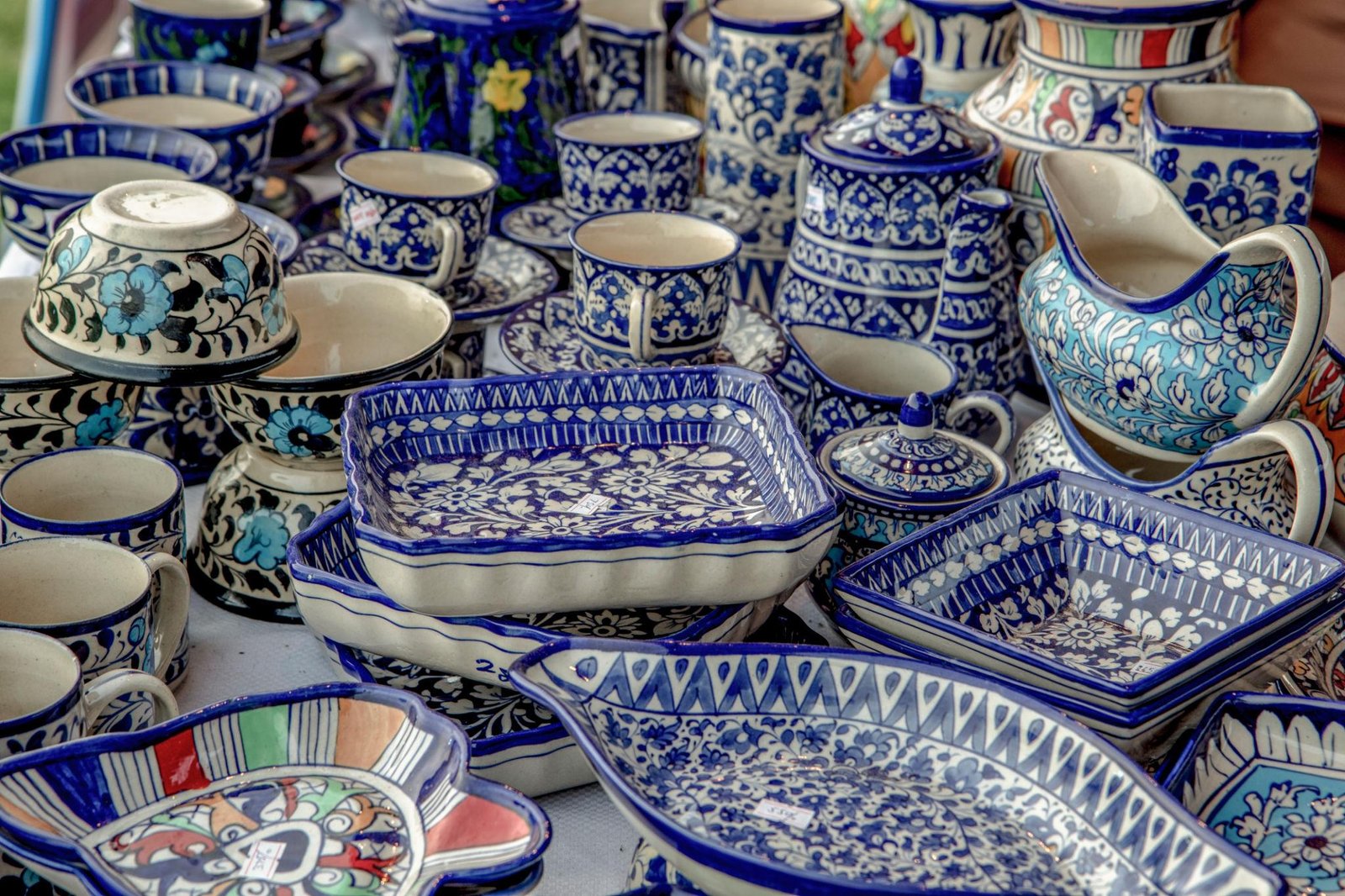
One of the most famous crafts of Multan is its distinctive blue pottery. Known for its vibrant blue and turquoise colors, this pottery features intricate floral and geometric patterns. Items such as tiles, vases, plates, and decorative pieces are crafted using traditional techniques passed down through generations.
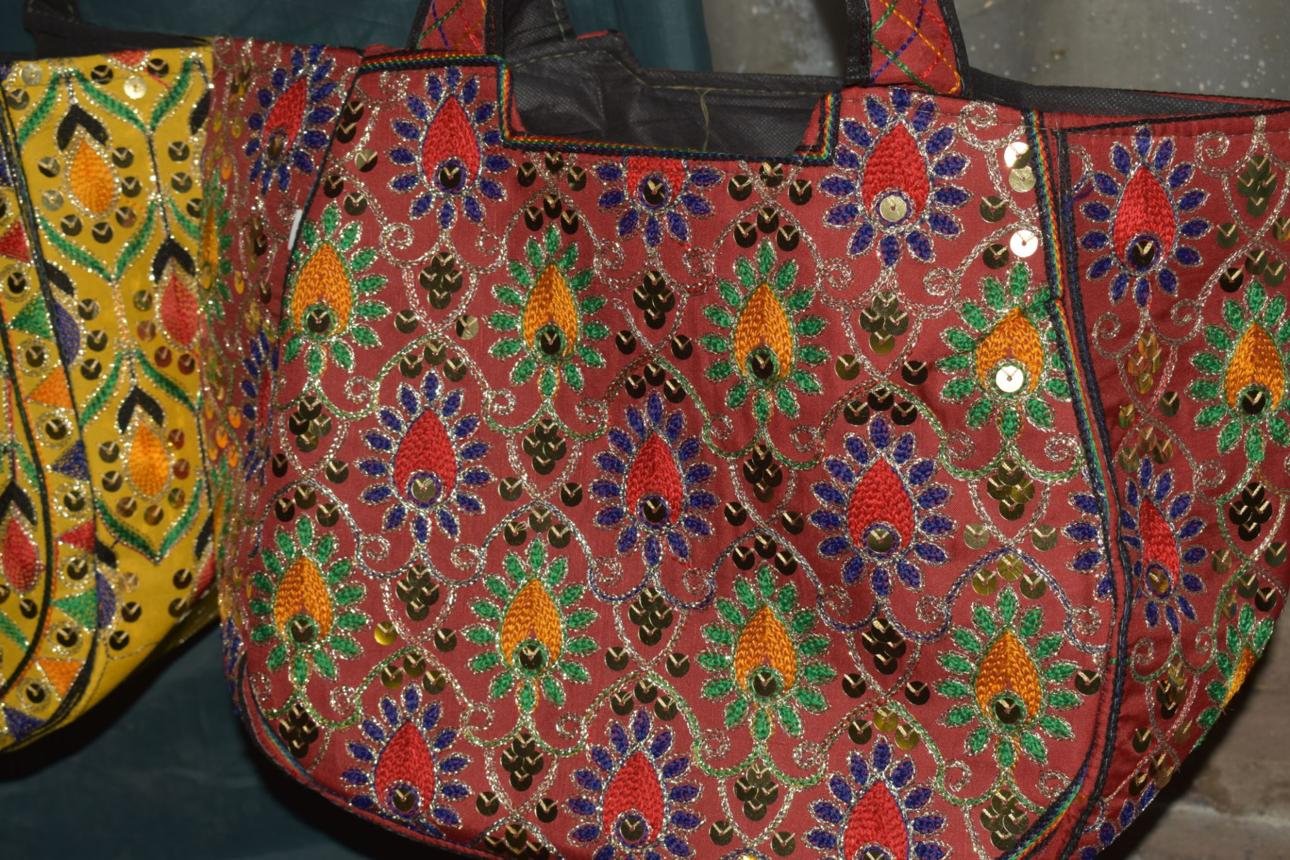
Multan is also known for its beautiful embroidery work and textile products. Skilled artisans create detailed patterns on fabrics using colorful threads, producing items like dresses, shawls, and cushion covers. These handmade textiles reflect the creativity and cultural richness of the region.
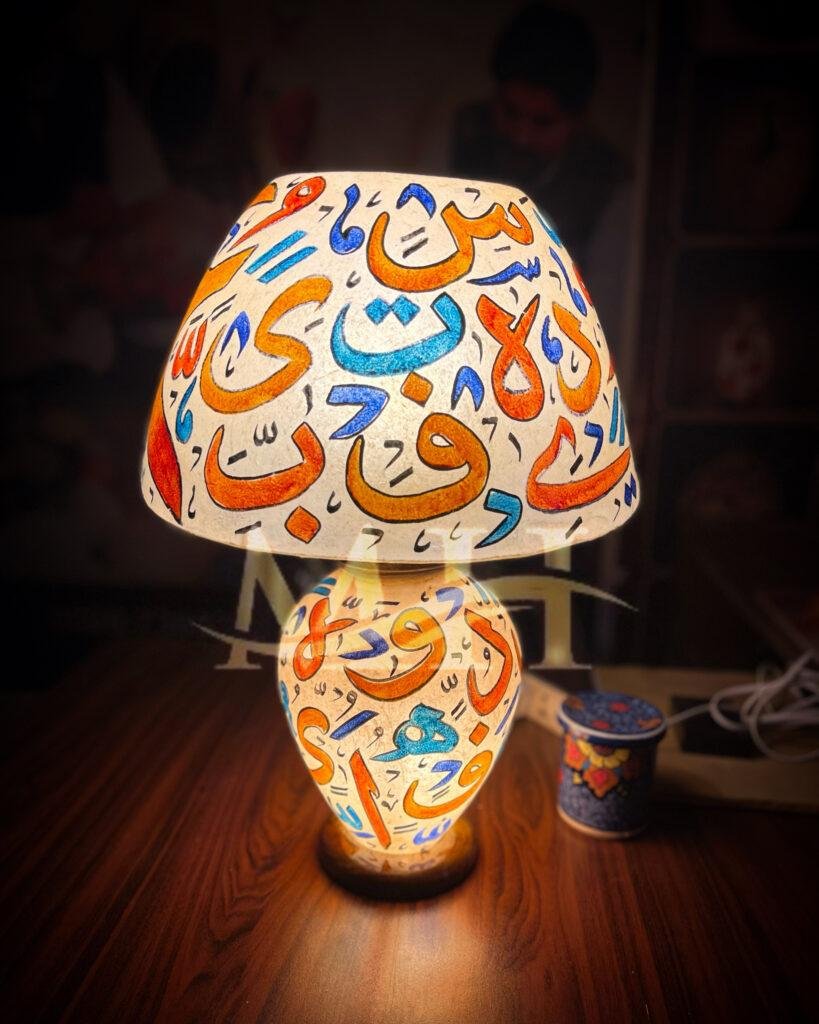
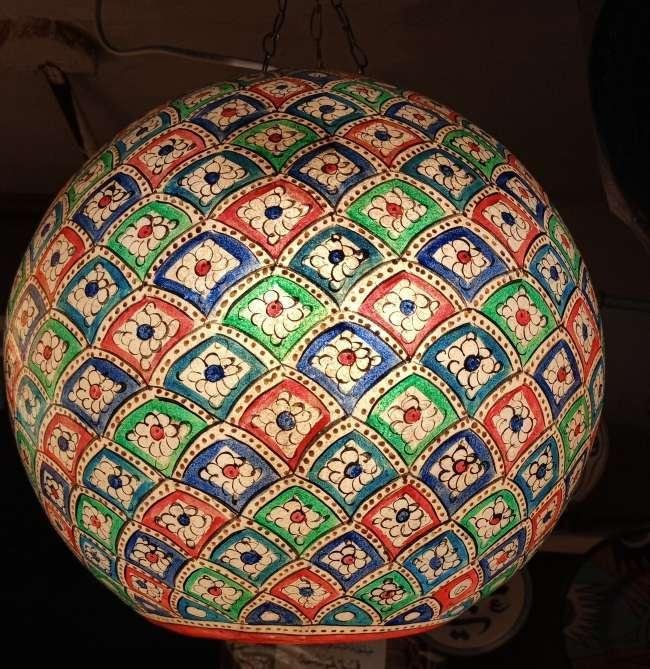
Another unique art form in Multan is camel skin crafting. This traditional craft involves shaping and decorating camel skin to create lamps, ornaments, and decorative items. The intricate designs and soft glow of camel skin lamps make them highly popular among visitors.
Woodwork is another important craft in Multan, where artisans carve intricate designs into furniture, doors, and decorative items. These handcrafted pieces showcase fine detailing and are valued for their durability and beauty.
The arts and crafts of Multan represent a blend of tradition, creativity, and skilled workmanship. These handmade products not only serve as beautiful souvenirs but also keep the cultural heritage of the city alive for future generations.
Multan is one of the Prominent cities of southern Punjab, Pakistan, with a diverse and growing population. The city is home to millions of residents, making it an important urban center in the region. Its population consists mainly of Punjabi-speaking communities, with Saraiki being the most widely spoken language, reflecting the cultural identity of southern Punjab.
Multan has experienced steady population growth over the years due to urban development and economic opportunities. The city includes a mix of urban and peri-urban populations, contributing to its dynamic social structure.
The primary language spoken in Multan is Saraiki, followed by Punjabi and Urdu. Urdu is widely understood and used for education, media, and official communication, while English is also used in business and higher education sectors.
Islam is the dominant religion in Multan, with the majority of the population being Muslim. The city is especially known for its strong Sufi traditions, which play a central role in the religious and cultural life of its people.
While the majority of residents belong to Punjabi and Saraiki ethnic groups, Multan also hosts people from different parts of Pakistan, contributing to its cultural diversity. This mix of communities creates a harmonious and inclusive social environment.
Multan presents a blend of traditional and modern lifestyles. While many residents continue to follow cultural traditions, the city is also developing rapidly with modern infrastructure, educational institutions, and business opportunities, shaping a progressive urban society.
Overall, the demographics of Multan reflect a vibrant and diverse population rooted in strong cultural and religious traditions, making it a unique and dynamic city in Pakistan.