46 / metres
Mohenjo-Daro has a hot desert climate with scorching summers, mild winters, and minimal rainfall. Spring and autumn are moderate, making these seasons ideal for visiting the site.
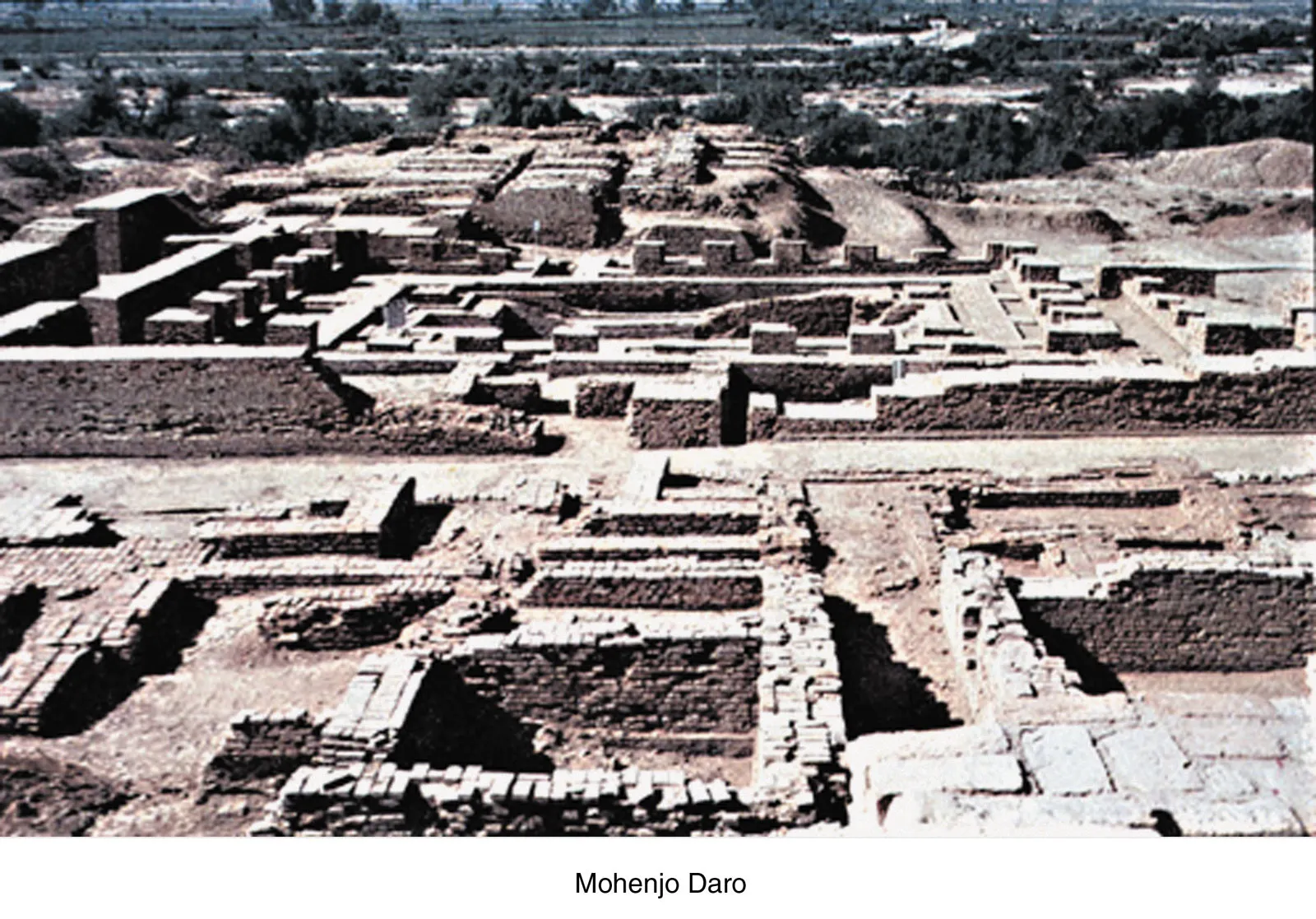
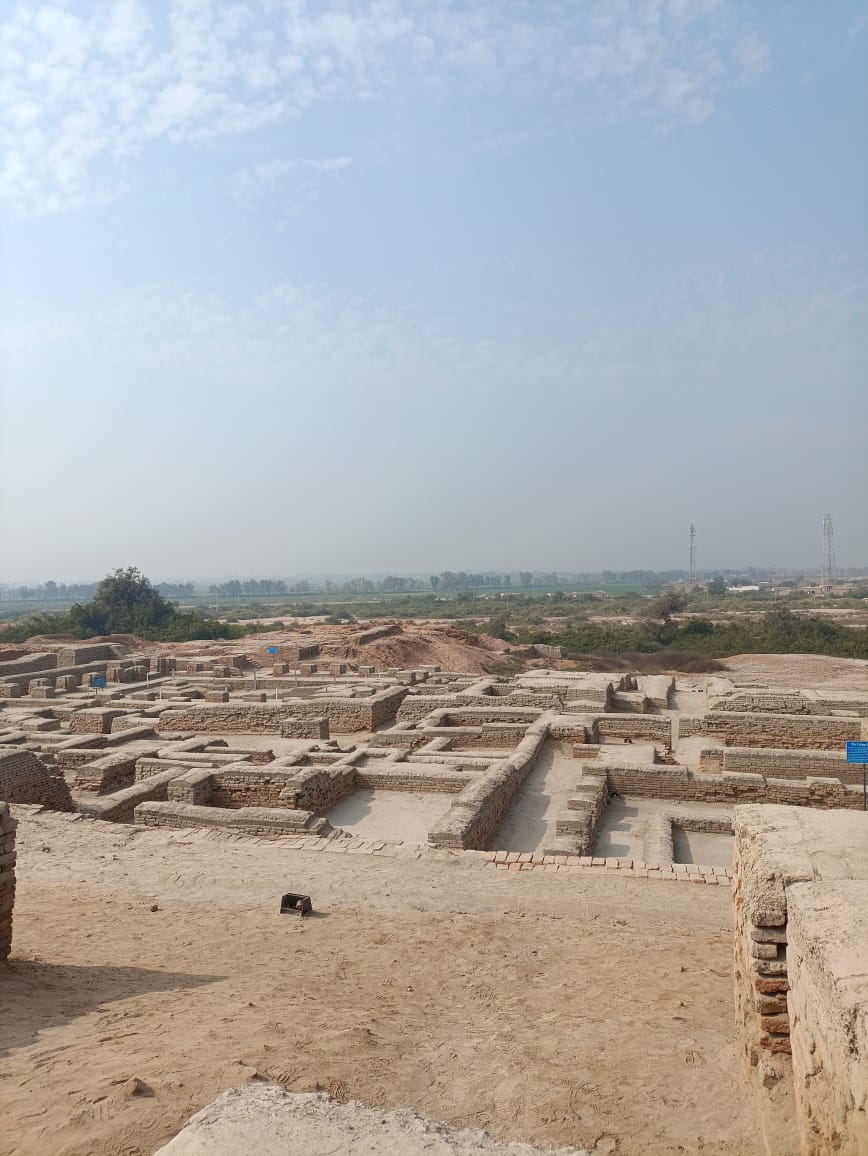
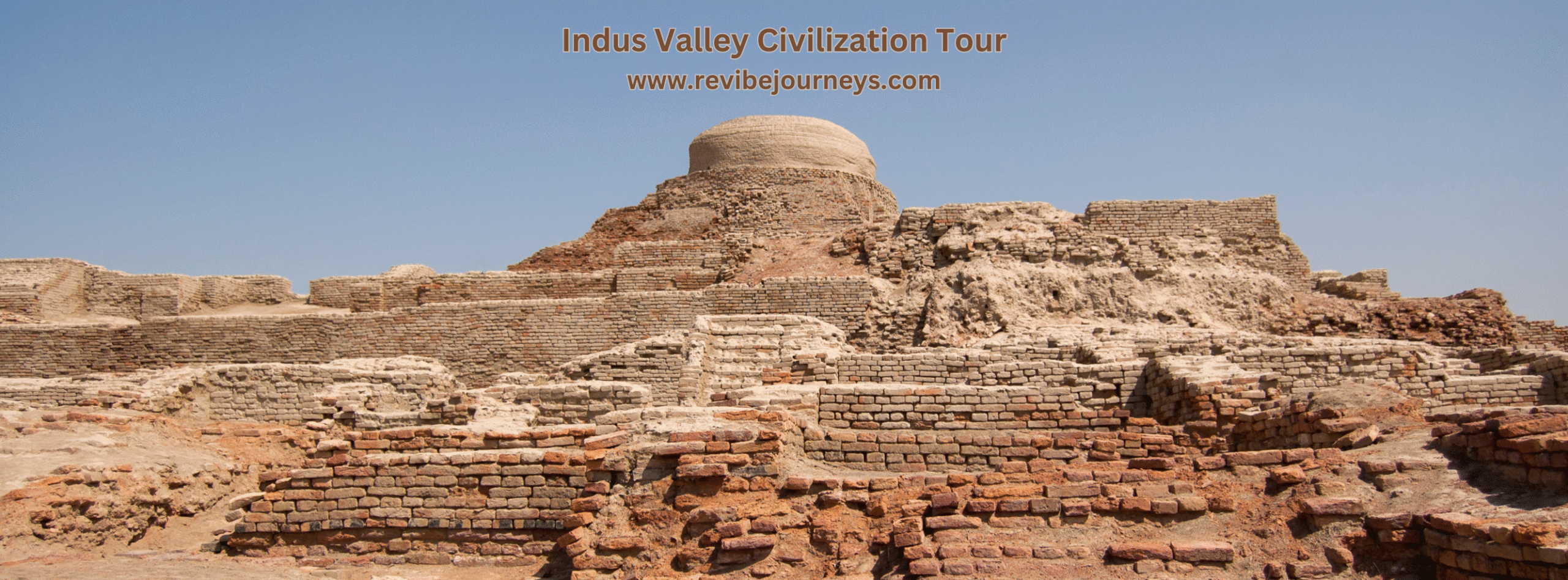
Mohenjo-Daro, in Sindh, Pakistan, is a major archaeological site of the Indus Valley Civilization. Known for its advanced urban planning, grid streets, and drainage systems, it provides invaluable insights into one of the world’s oldest and most sophisticated ancient civilizations.
Mohenjo-Daro, located in Sindh, Pakistan, is one of the world’s earliest major urban settlements, dating back to circa 2500 BCE. Part of the Indus Valley Civilization, it was a well-planned city with streets, drainage systems, and sophisticated architecture. The site provides insights into ancient urban life, trade, and culture, making it a significant archaeological and historical treasure of South Asia.
Mohenjo-Daro experiences a hot desert climate with four main seasons. Spring (March–May) is warm, while summer (June–September) is extremely hot, often exceeding 40°C. Autumn (October–November) is mild and pleasant, and winter (December–February) is cool, with temperatures rarely dropping below 5°C. The region receives minimal rainfall, making it dry throughout the year.
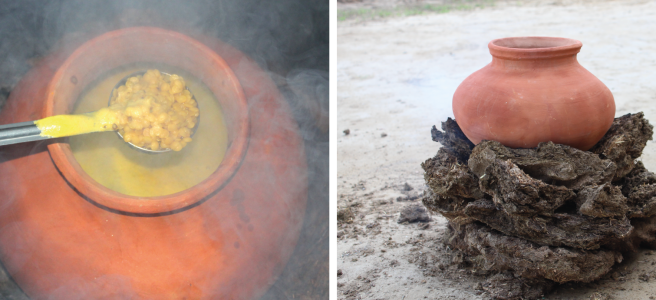
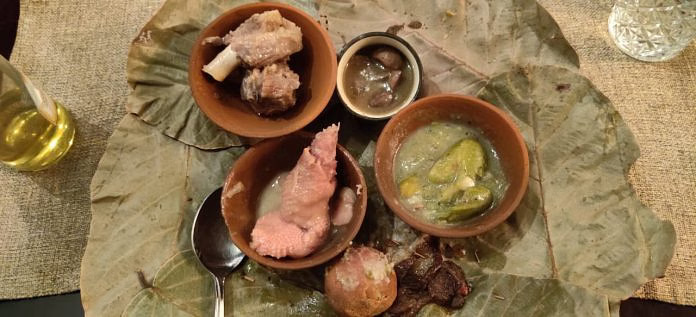
While Mohenjo-Daro is an archaeological site rather than a living city, nearby Sindhi cuisine offers traditional dishes like Sindhi biryani, sai bhaji, and koki. Street foods such as samosas, pakoras, and jalebi are widely enjoyed. Travelers visiting the site can experience the rich flavors of Sindhi culinary heritage in nearby towns and markets, reflecting the local culture and traditions.
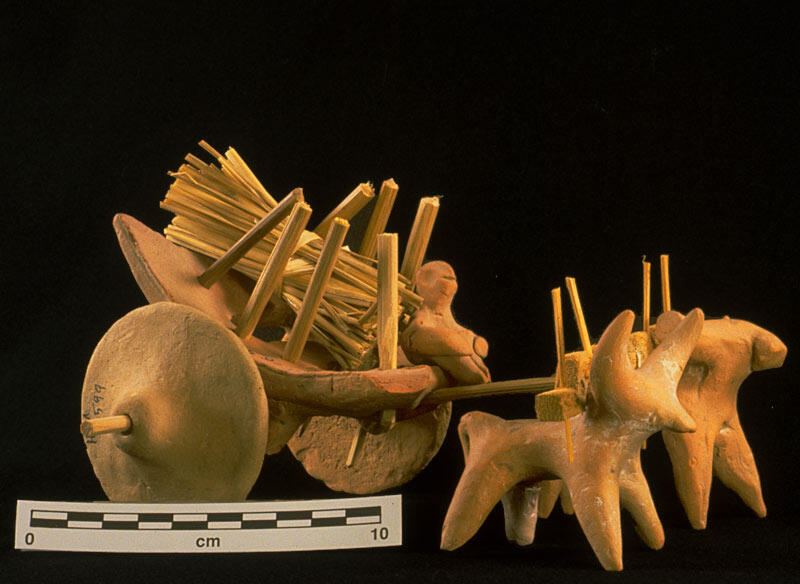
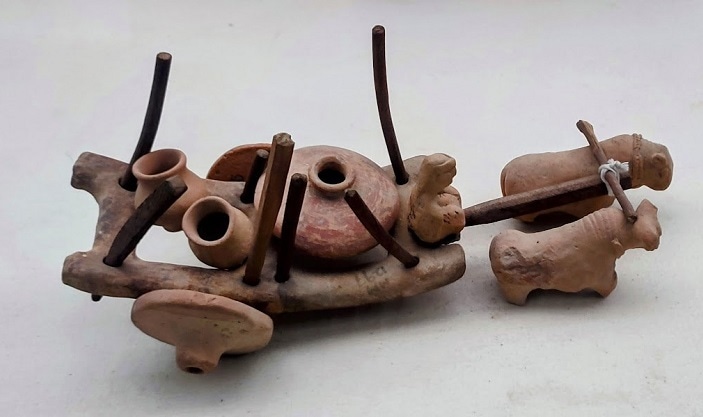
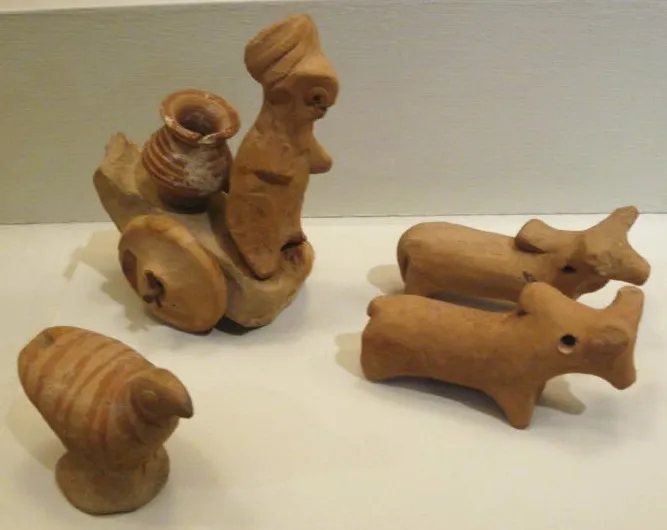
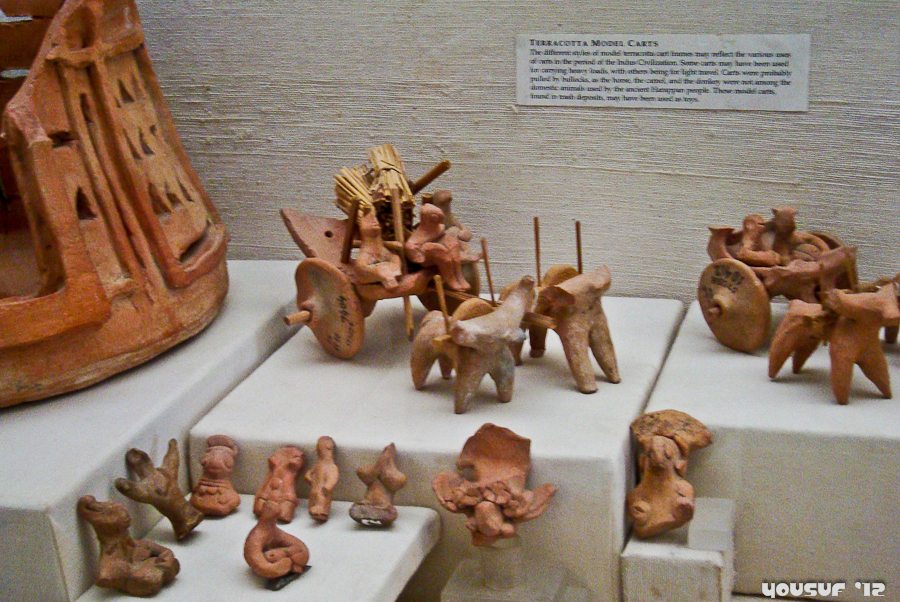
Mohenjo-Daro showcases the advanced craftsmanship of the Indus Valley Civilization. Artifacts include ceramic pottery, stone seals, beads, jewelry, and figurines. These items reflect highly skilled artisanship and sophisticated designs. Modern Sindhi crafts in nearby regions continue this heritage, with handicrafts, embroidery, and pottery inspired by ancient motifs, giving insight into the continuity of art and culture in the area.
Mohenjo-Daro itself is an archaeological site, so it has no permanent population. The surrounding areas in Larkana District, Sindh, are home to rural communities primarily engaged in agriculture and trade. The local population speaks Sindhi and participates in cultural practices and festivals that preserve the traditions of the Sindh region.
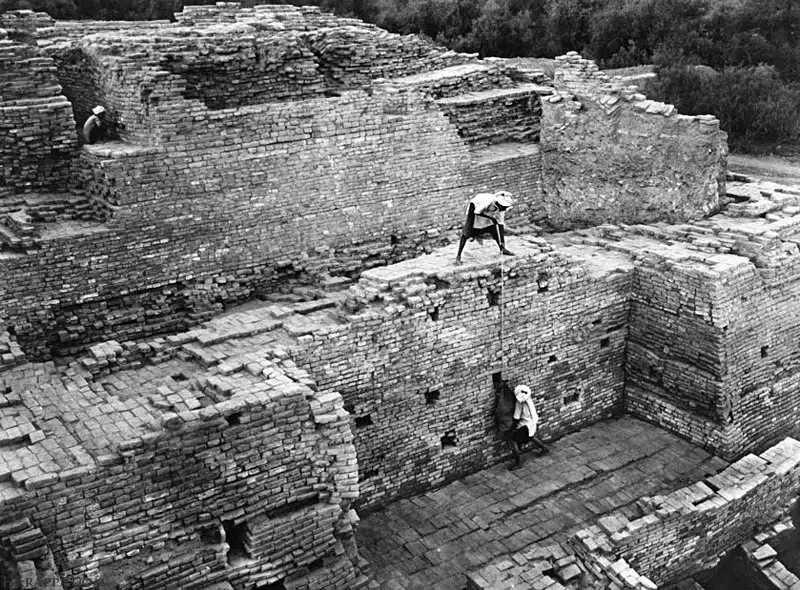
One of the most fascinating structures, the Great Bath is an early example of public water management, believed to have been used for ritualistic purification. Its waterproof brick construction still amazes archaeologists today.
A massive brick-walled structure, believed to be used for storing grain, indicating an advanced economic system and agricultural surplus
A small yet iconic bronze statue depicting a young girl in a dancing posture, showcasing the artistic skills and cultural vibrancy of the Indus people.
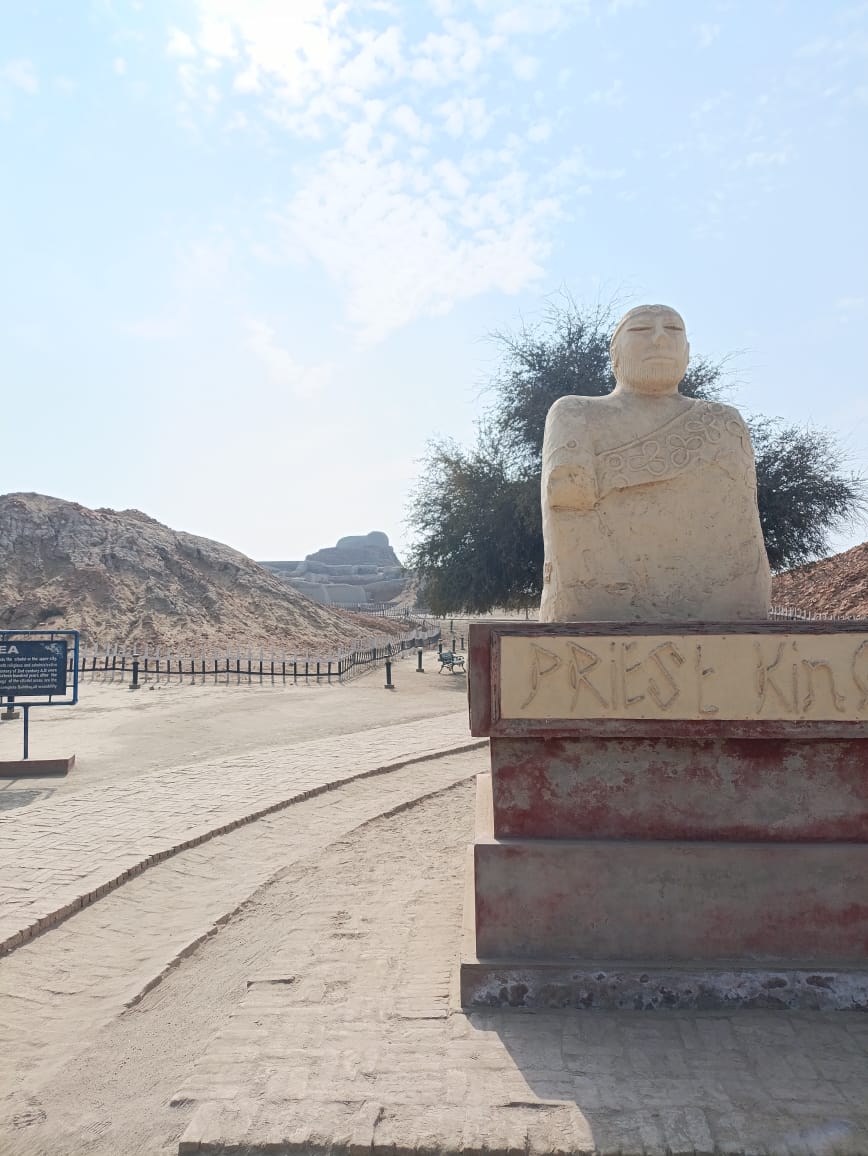
A highly detailed limestone sculpture believed to represent a priest or a ruler, showcasing the civilization’s craftsmanship and social hierarchy.
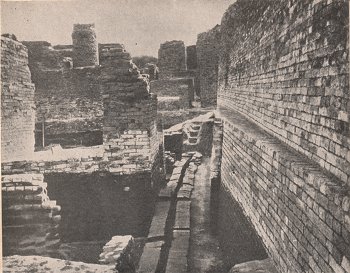
One of Mohenjo-Daro’s greatest engineering achievements – a complex network of covered drains, brick-lined streets, and private wells, highlighting the city's highly organized infrastructure.
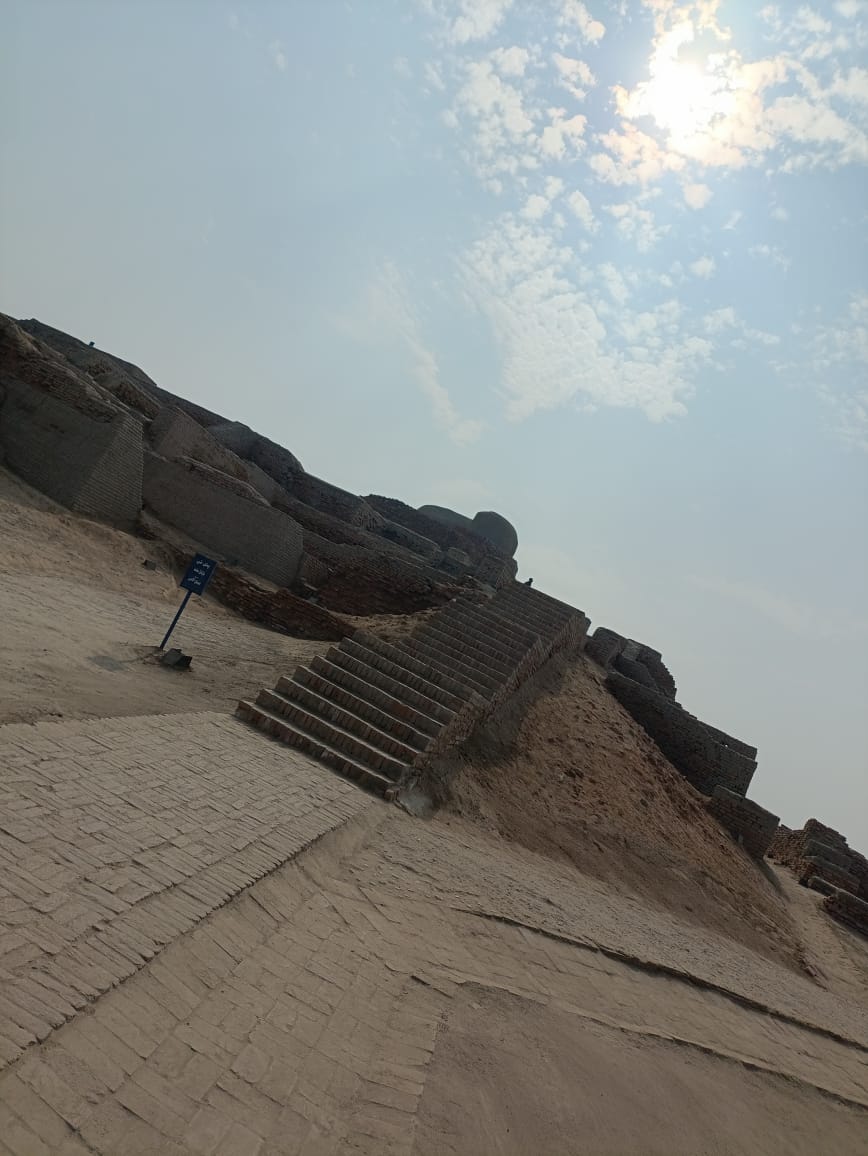
A fortified area believed to have been the administrative and religious center, housing important structures like the Great Bath and large assembly halls.
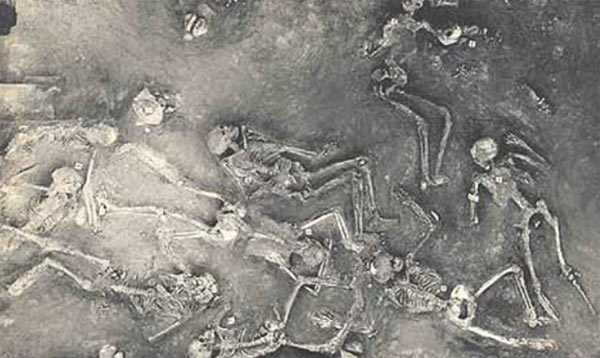
Mohenjo-Daro, meaning “Mound of the Dead,” is a UNESCO World Heritage site. It featured advanced urban planning, grid streets, and one of the world’s earliest drainage systems. The Great Bath indicates the importance of ritual bathing. Artifacts like seals and jewelry reveal a sophisticated civilization that existed over 4,500 years ago, making it a key site in human history.