46 / metres
Makli experiences hot summers and mild winters, with temperatures ranging from cool mornings to warm afternoons. The best time to visit is during winter and early spring.
Makli Necropolis, one of the world’s largest ancient graveyards, spans over 10 square kilometers and features thousands of tombs, mausoleums, and intricately carved monuments. Dating back over 600 years, it stands as a silent testament to Sindh’s spiritual, architectural, and cultural legacy, attracting historians, researchers, and curious travelers.
Makli Necropolis dates back to the 14th century and served as a sacred burial site for rulers, Sufi saints, scholars, and nobles of the Samma, Arghun, Tarkhan, and Mughal dynasties. Over centuries, it evolved into a monumental city of stone architecture, blending Islamic, Persian, and regional artistic influences. Today, it stands as a UNESCO World Heritage Site.
Makli’s best seasons for exploration are winter and early spring when temperatures are pleasant. Summers can be extremely hot and dry, making afternoon visits uncomfortable. Autumn remains moderately warm, while winter offers clear skies and comfortable weather for walking among the ancient monuments.
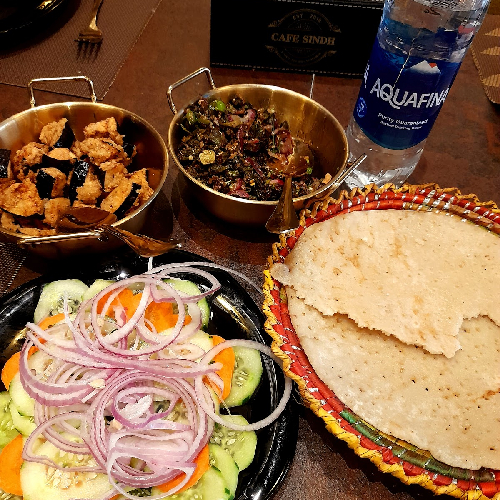
Nearby Thatta offers traditional Sindhi flavors including biryani, saag with millet roti, fish dishes from the Indus Delta, and hearty lentils. Visitors often enjoy fresh roadside snacks, sweet lassi, and desi chai. Simple, traditional meals reflecting local Sindhi hospitality are easily found around the area.
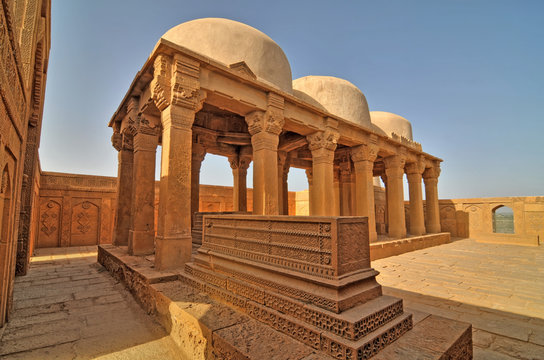
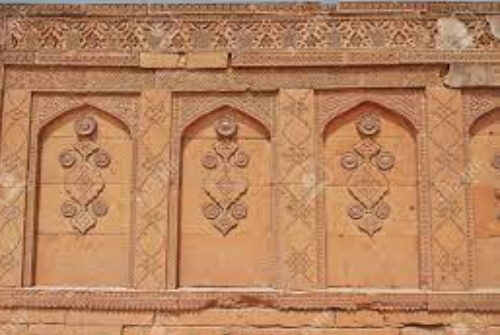
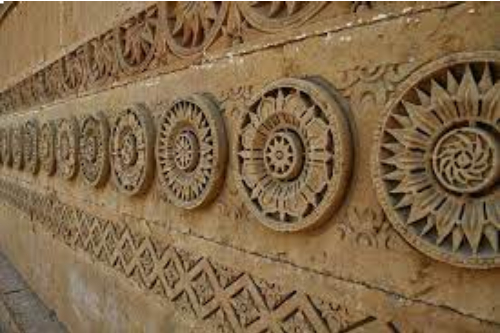
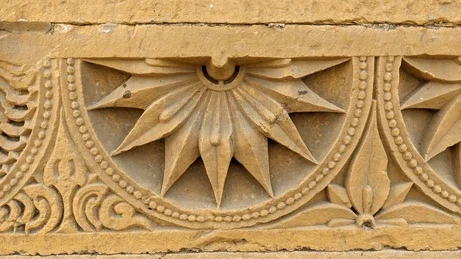
Makli is renowned for its exquisite stone carving, showcasing floral motifs, geometric designs, Quranic inscriptions, and intricate calligraphy. Local artisans continue crafting pottery, handwoven textiles, and decorative woodwork in the nearby region. The necropolis itself stands as an open-air museum of centuries-old craftsmanship.
The surrounding region of Makli and Thatta is home to rural Sindhi communities engaged in fishing, farming, craftsmanship, and small trade. The population reflects deep cultural traditions, strong family systems, and a lifestyle rooted in agriculture, handicrafts, and Sufi spiritual heritage.
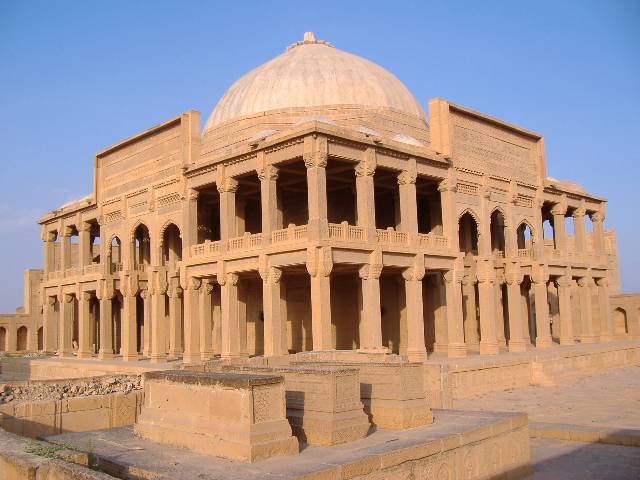
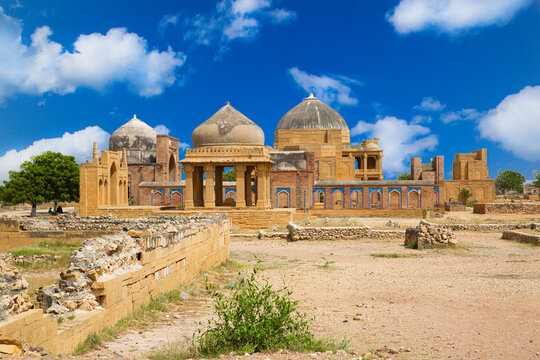
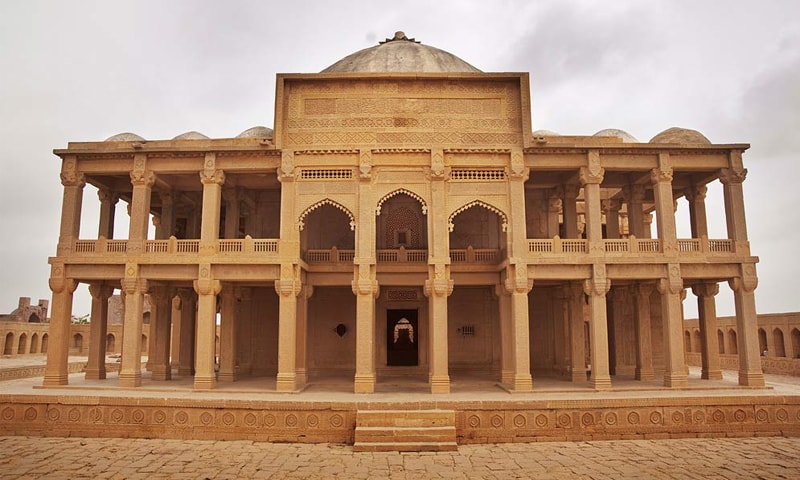
A masterpiece of Samma Dynasty architecture, featuring intricate tilework and geometric patterns.
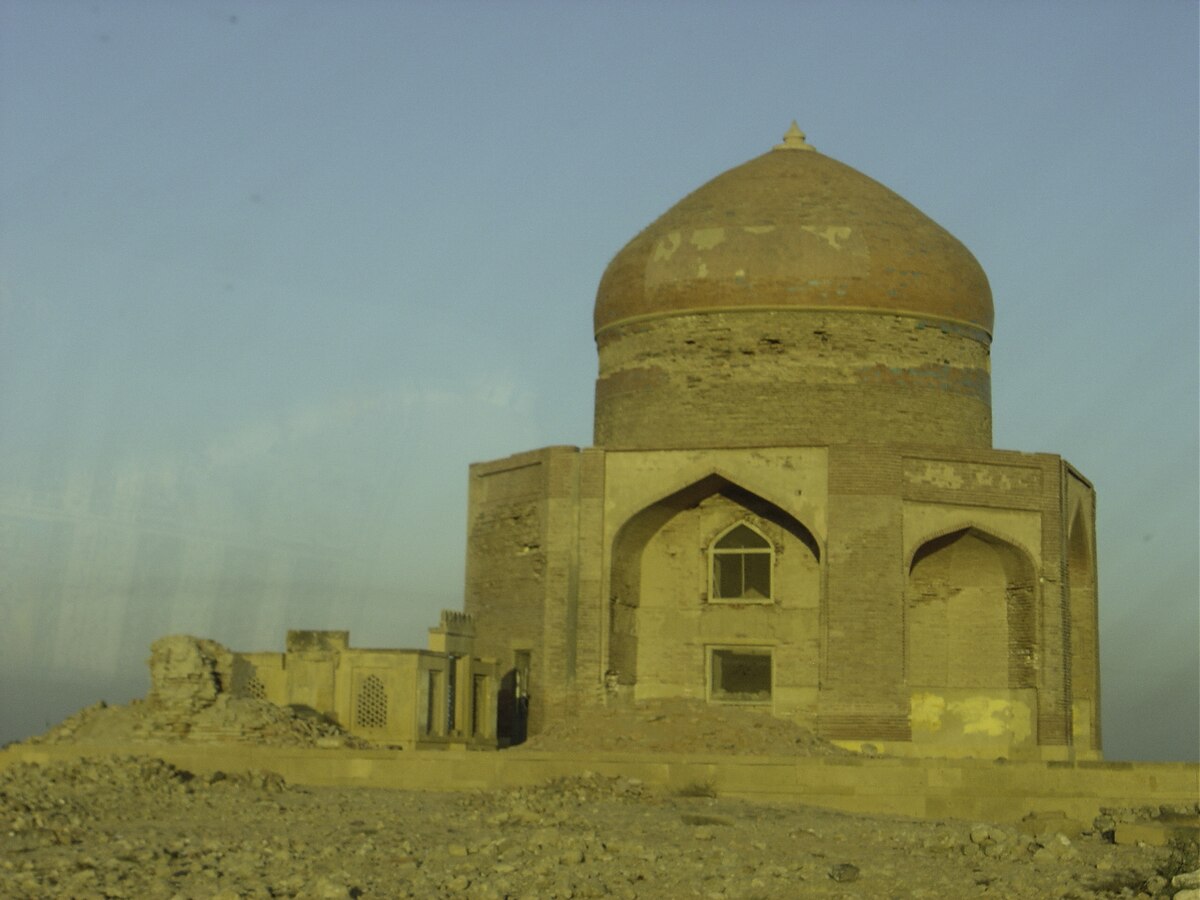
A grand octagonal structure, representing Mughal influence in Sindh.
Famous for its unique domed structure and Persian inscriptions, showcasing artistic excellence.
Showcases a fusion of Gujarat and Sindhi architecture, with beautiful floral motifs.
Makli’s stone-carved graves and mausoleums tell the stories of the great rulers, Sufis, and scholars who once shaped the region.
Makli Necropolis contains nearly 500,000 to 1 million tombs, making it one of the largest funerary sites in the world. Many tombs feature masterful stonework that blends Hindu, Islamic, and Persian styles. Its sheer scale, architectural diversity, and spiritual significance make it a remarkable historical treasure.