217 / metres
Lahore has a hot semi-arid climate with scorching summers, mild winters, and a monsoon season from July to September, bringing moderate rainfall and occasional thunderstorms.
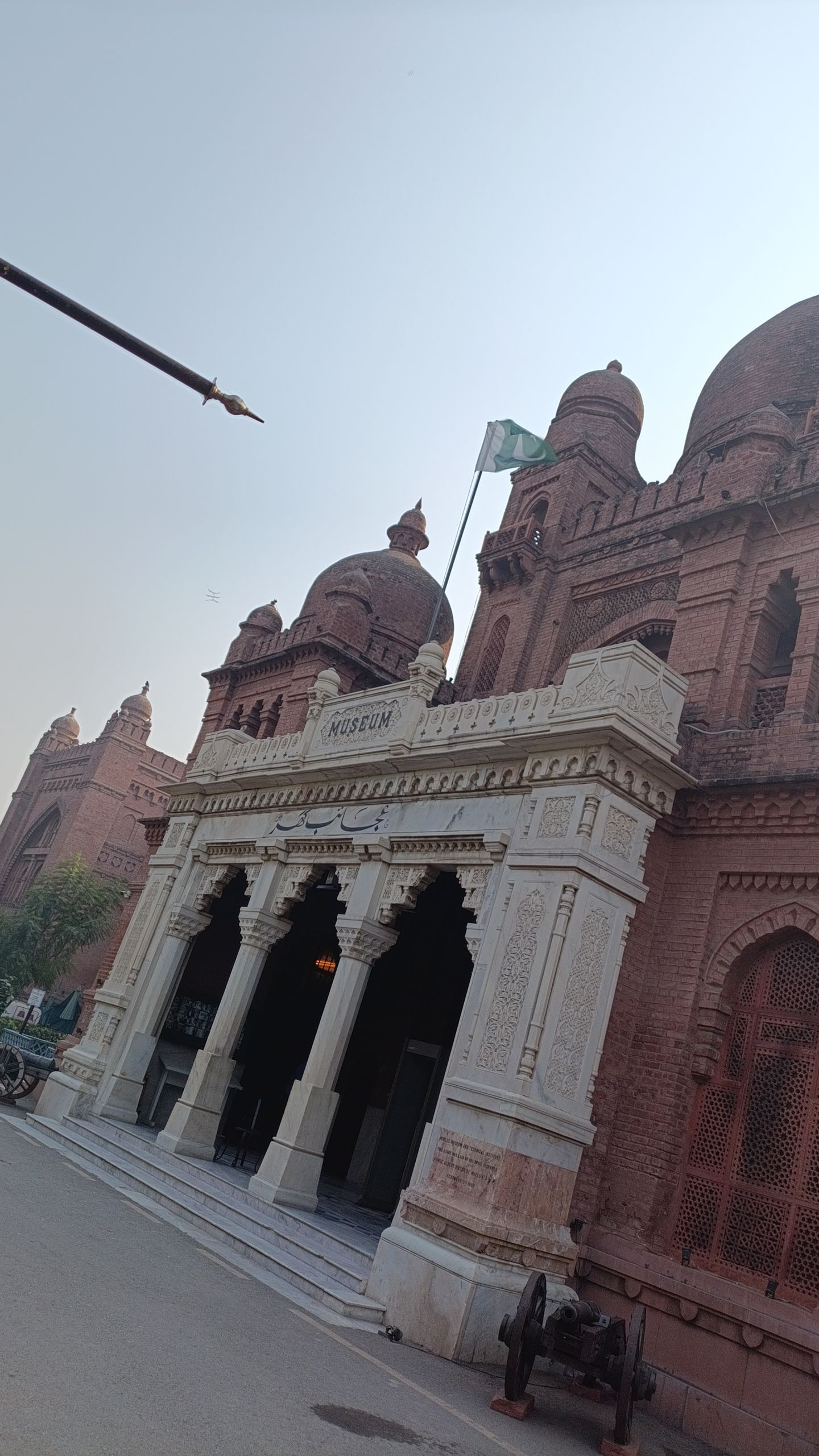
Lahore, the cultural capital of Pakistan, is famous for its rich history, vibrant culture, and culinary delights. Known as the “Heart of Punjab,” the city boasts iconic landmarks such as Lahore Fort, Badshahi Mosque, and Shalimar Gardens. With bustling markets, colorful festivals, and a lively arts scene, Lahore offers a perfect blend of tradition and modern urban life.
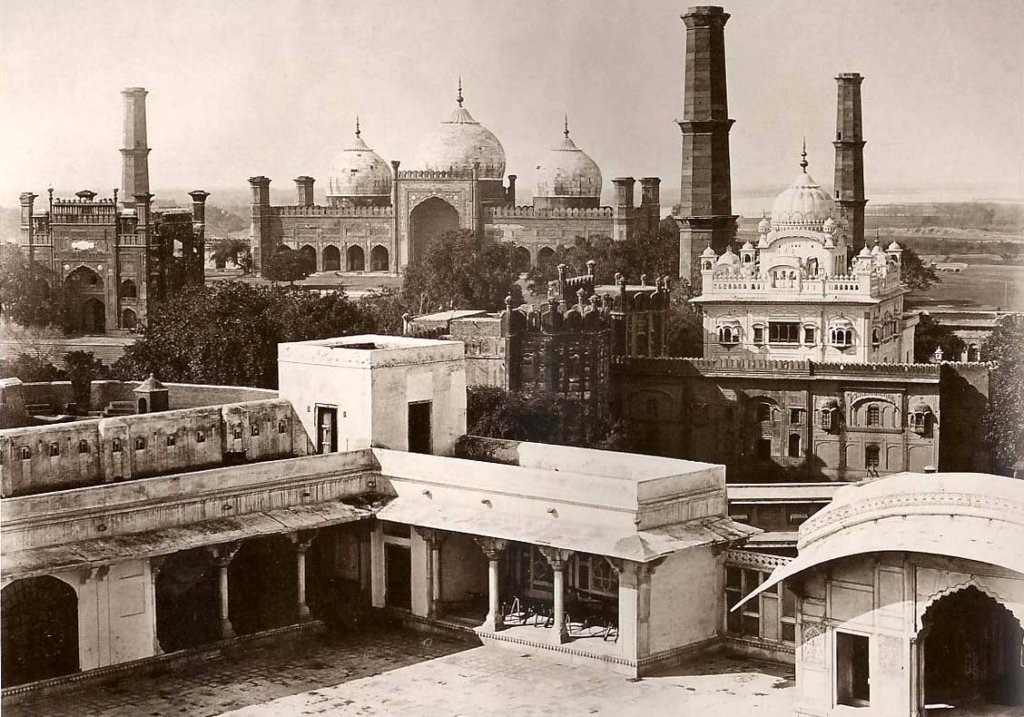
Lahore, one of South Asia’s oldest cities, has a rich history spanning over a thousand years. It served as the capital for the Mughal Empire and later for the Sikh Empire, leaving behind magnificent architecture like Lahore Fort and Badshahi Mosque. The city’s historical legacy reflects a blend of Islamic, Sikh, and colonial influences, making it a cultural and architectural treasure of Pakistan.
Lahore experiences four distinct seasons. Spring brings pleasant temperatures and blooming gardens. Summer is hot, with temperatures often exceeding 40°C. Autumn is mild and comfortable, while Winter is cool and foggy, occasionally dropping below 5°C. Monsoon rains from July to September rejuvenate the city, supporting lush greenery and vibrant landscapes throughout the year.
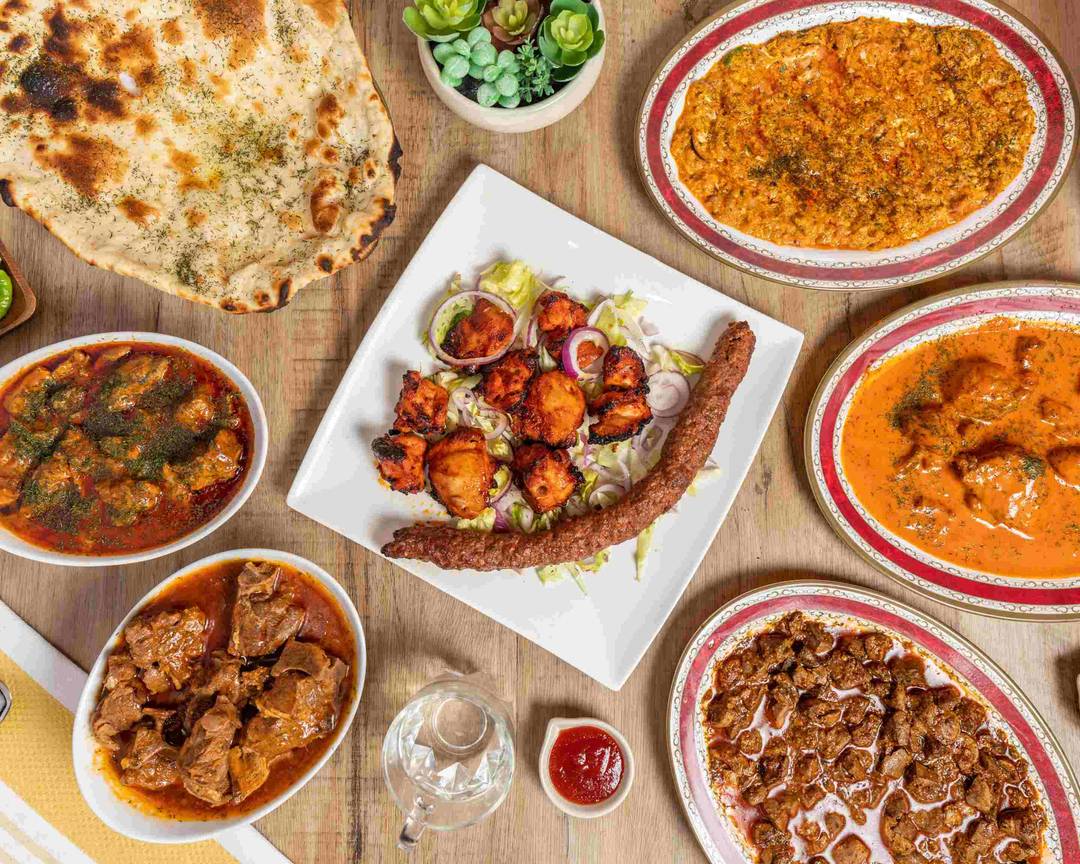
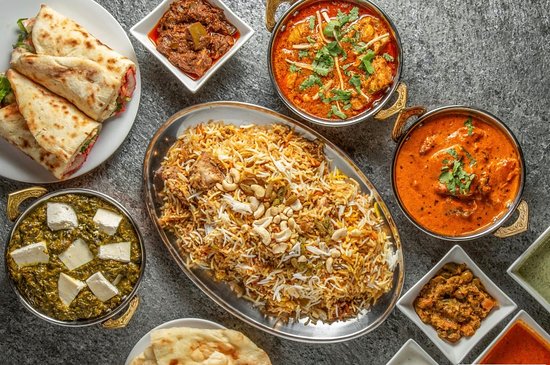
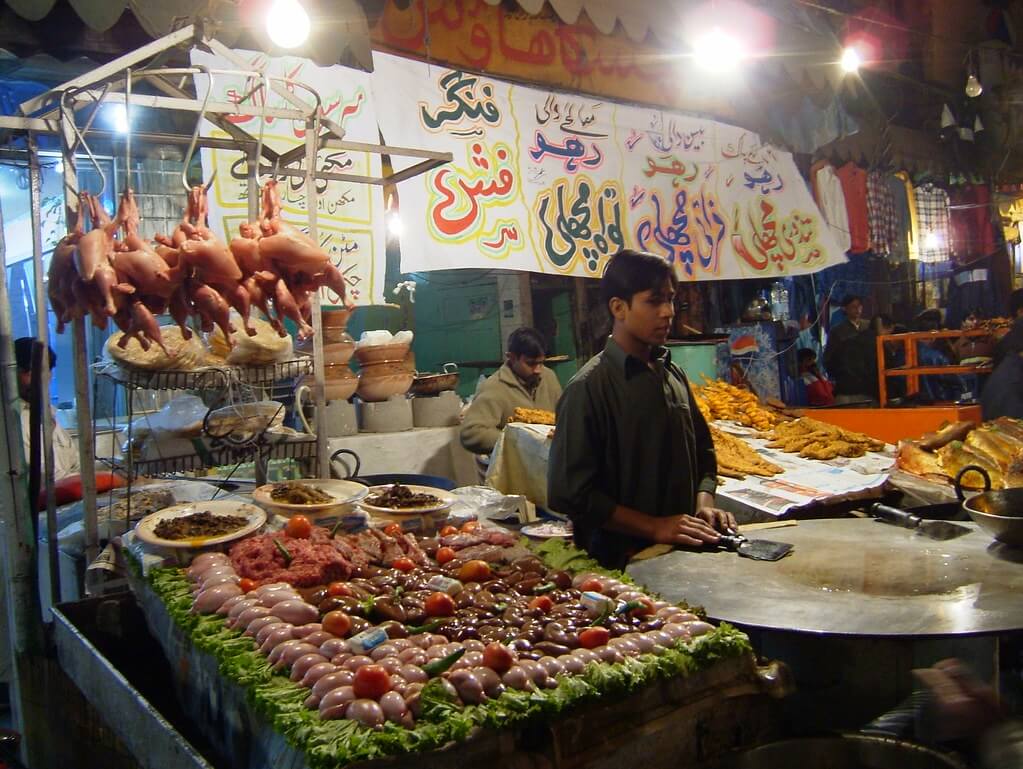
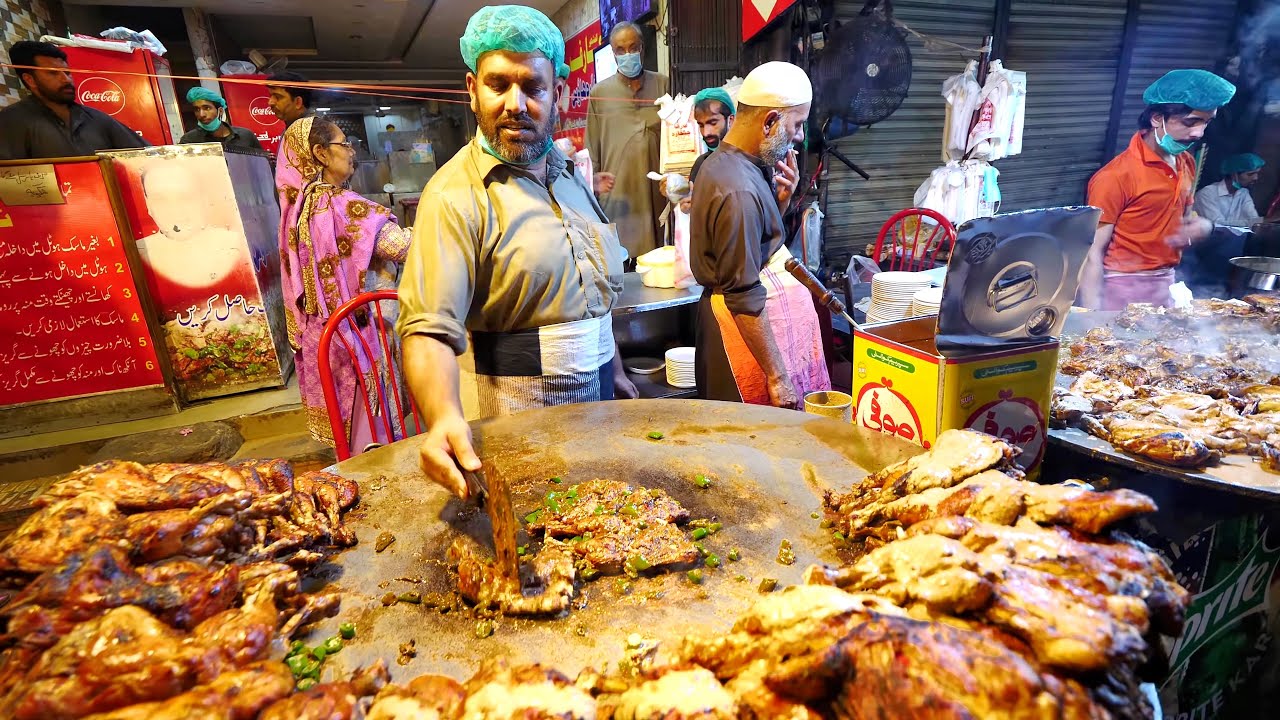
Lahore is a culinary paradise, famous for its rich Punjabi cuisine. Popular dishes include Lahori chargha, nihari, biryani, and seekh kebabs. Street food like golgappas, samosas, and chaat is also widely enjoyed. Desserts such as jalebi and falooda are local favorites. The city’s food culture blends traditional flavors with modern eateries, making it a hotspot for food lovers and travelers alike.
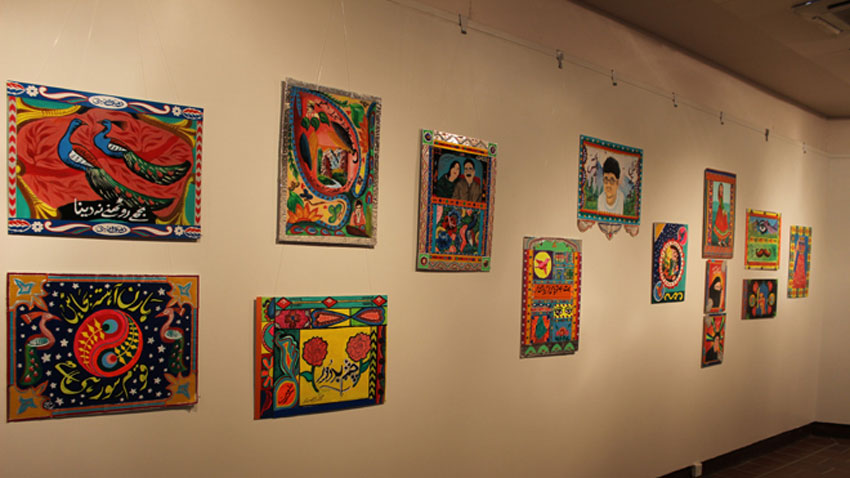
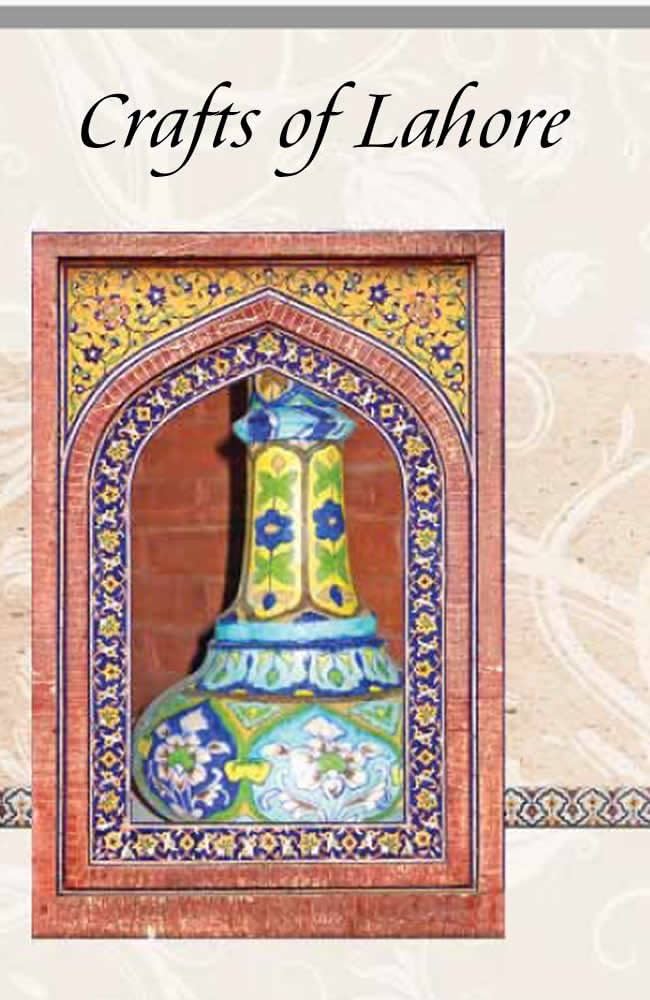
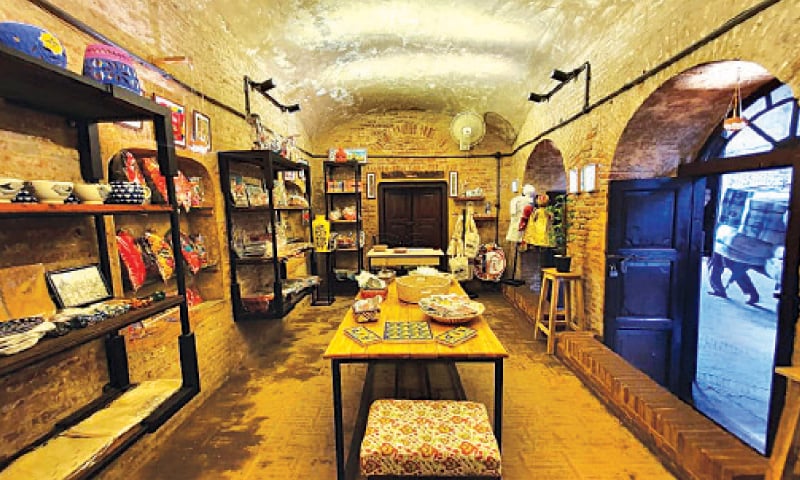
Lahore is a hub of arts and crafts, showcasing handicrafts, pottery, embroidered textiles, and miniature paintings. The city’s artisans reflect centuries-old techniques, combining traditional and contemporary designs. Markets, galleries, and cultural festivals display these crafts, preserving Lahore’s artistic heritage. Tourists can explore a variety of handmade items that showcase the creativity and rich cultural history of the region.
Lahore, with a population of over 11 million, is Pakistan’s second-largest city. Its residents include Punjabis, Mohajirs, and various other ethnic groups. Urdu and Punjabi are widely spoken, while English is common in business and education. The city has a young, dynamic population, with a high literacy rate and vibrant cultural diversity, making it a cosmopolitan urban center of education, commerce, and arts.
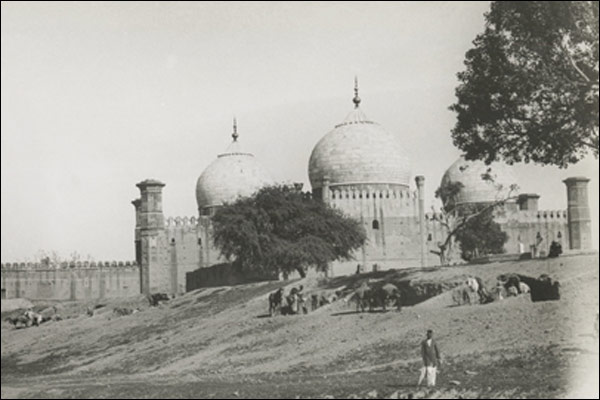
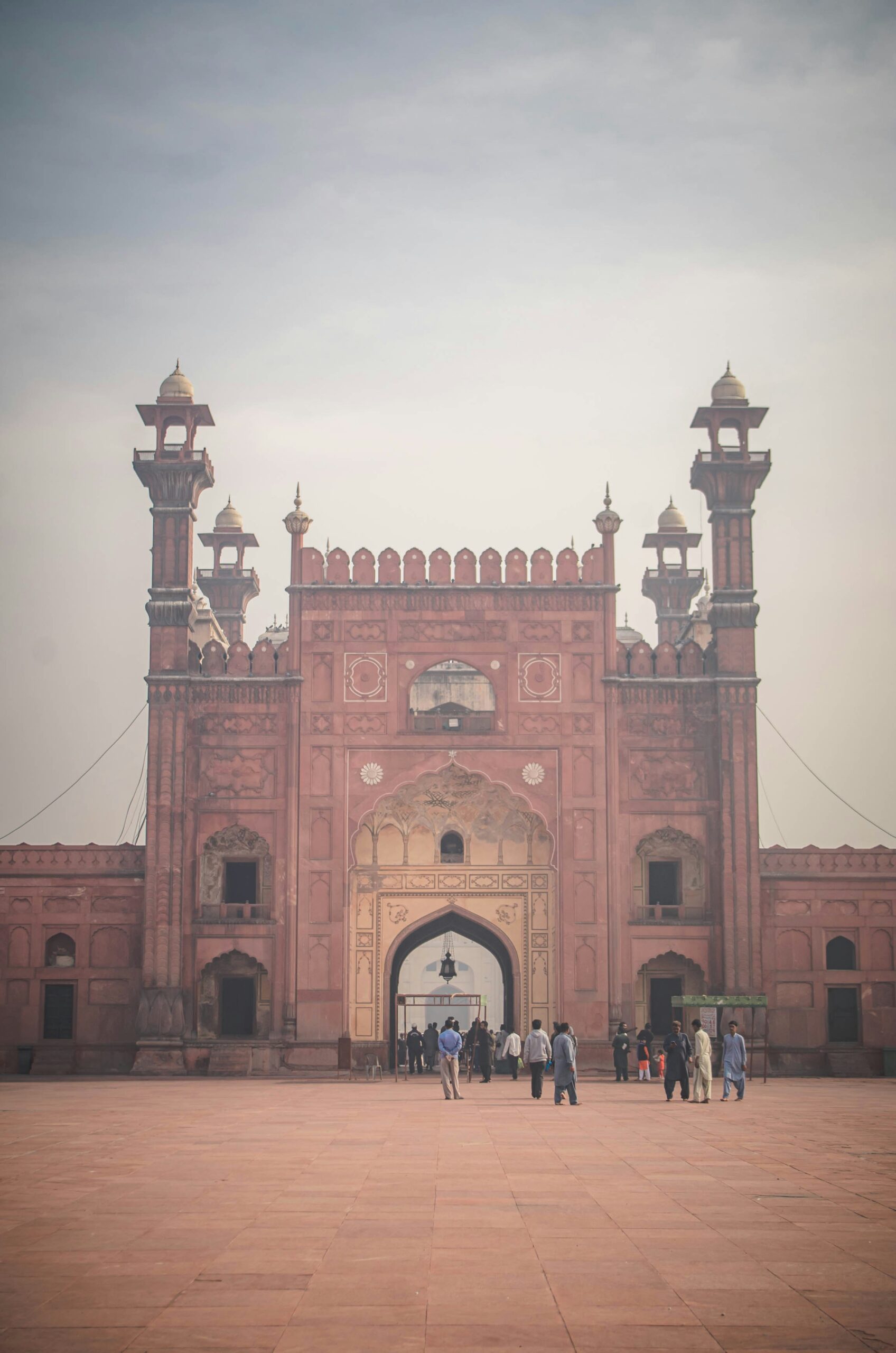
One of the largest mosques in the world, the Badshahi Mosque was built by Emperor Aurangzeb in 1673. With red sandstone walls, intricate marble inlays, and towering minarets, this mosque is an architectural marvel and a symbol of Lahore’s Islamic heritage.
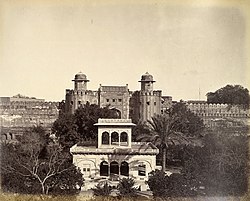
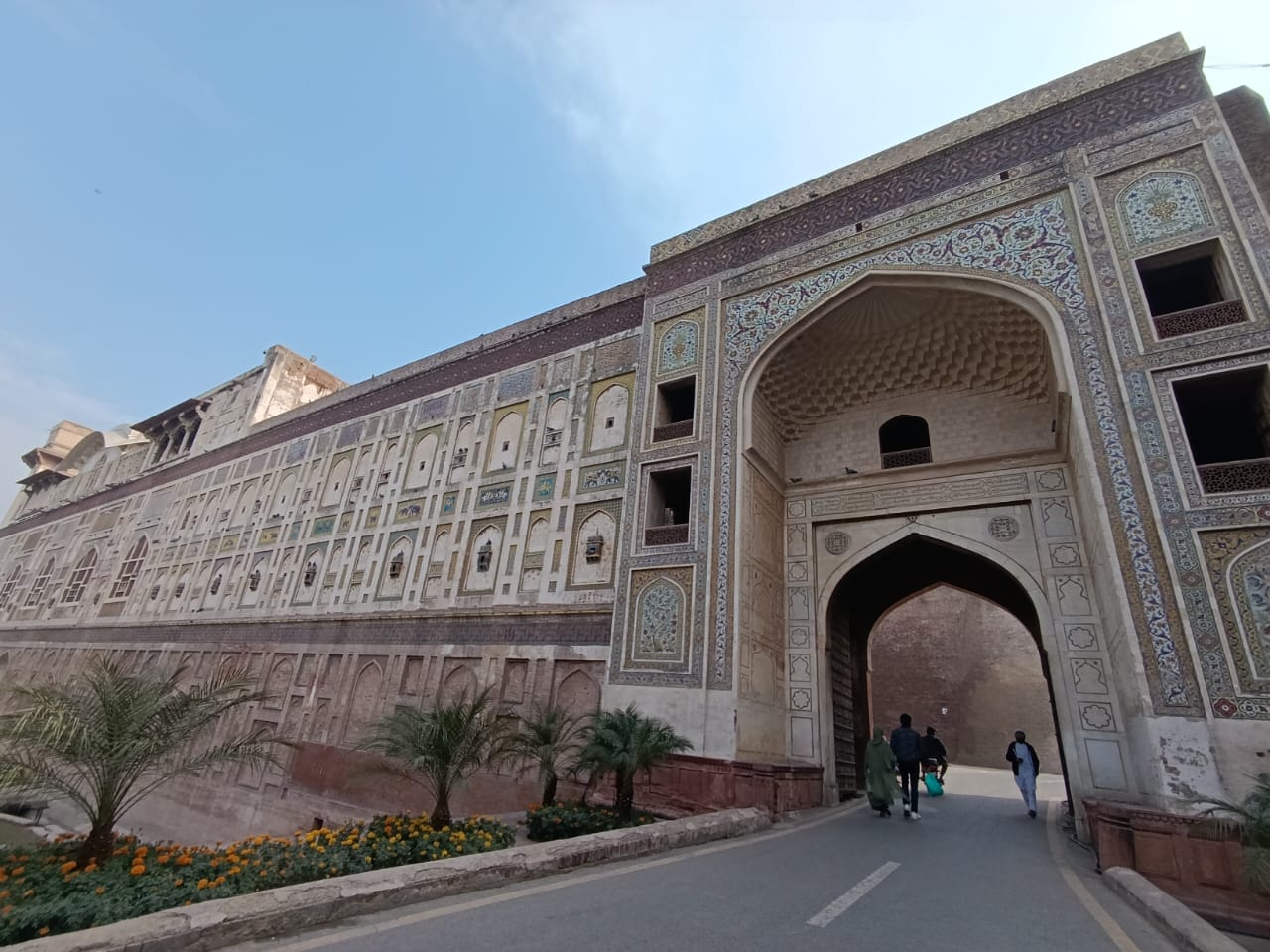
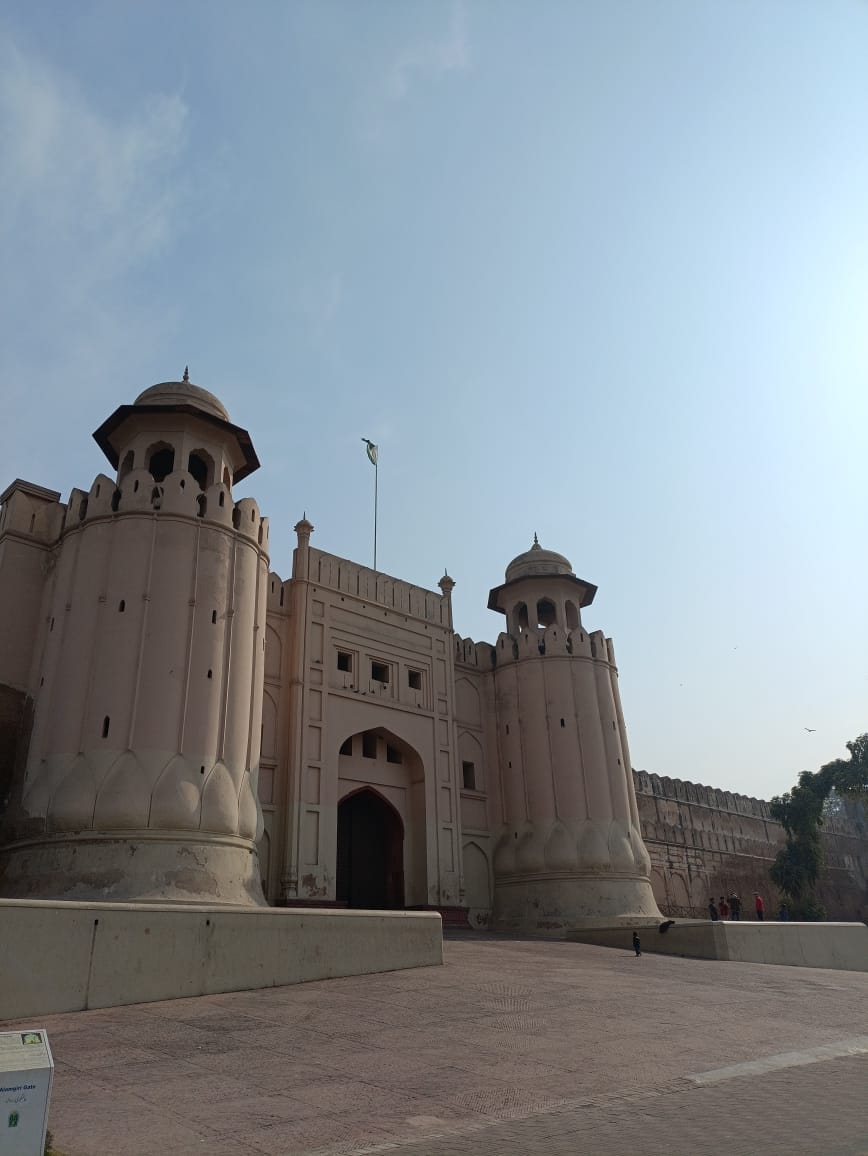
A UNESCO World Heritage Site, the Lahore Fort (Shahi Qila) was built and expanded by various Mughal emperors. Key attractions inside include: Sheesh Mahal (Palace of Mirrors) – A stunning pavilion adorned with intricate mirror work. Alamgiri Gate – The grand entrance commissioned by Aurangzeb. Moti Masjid (Pearl Mosque) – A small but exquisite white marble mosque.
Designed in 1641 by Emperor Shah Jahan, these Persian-style gardens represent Mughal landscaping excellence, featuring terraced lawns, flowing fountains, and floral arrangements.
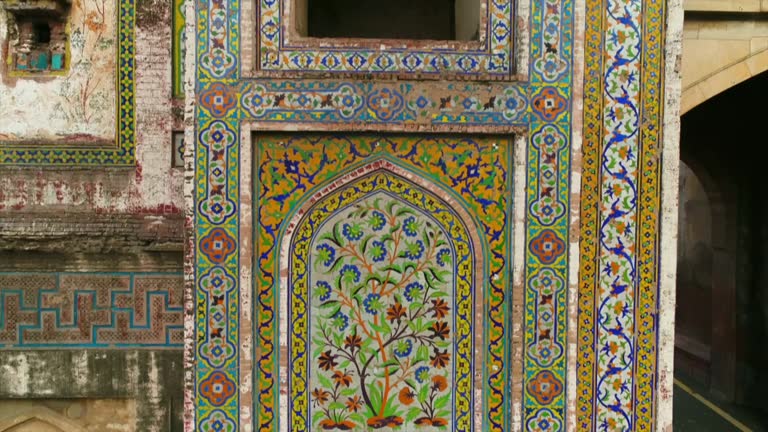
This 17th-century mosque, famous for its vibrant frescoes and tile work, is a masterpiece of Mughal calligraphy and geometric patterns.
Located in Sheikhupura, this Mughal-era tower was built by Emperor Jahangir in memory of his pet deer. It stands amidst a tranquil water reservoir, offering a perfect blend of nature and history.
Explore the narrow alleys of old Lahore, where centuries-old markets, Mughal havelis, and colonial-era structures tell stories of the past.
A significant site for Sikh heritage, this Gurdwara marks the place where Guru Arjan Dev Ji attained martyrdom. The adjacent Samadhi (tomb) of Maharaja Ranjit Singh, the Sikh Empire’s greatest ruler, is a historical treasure
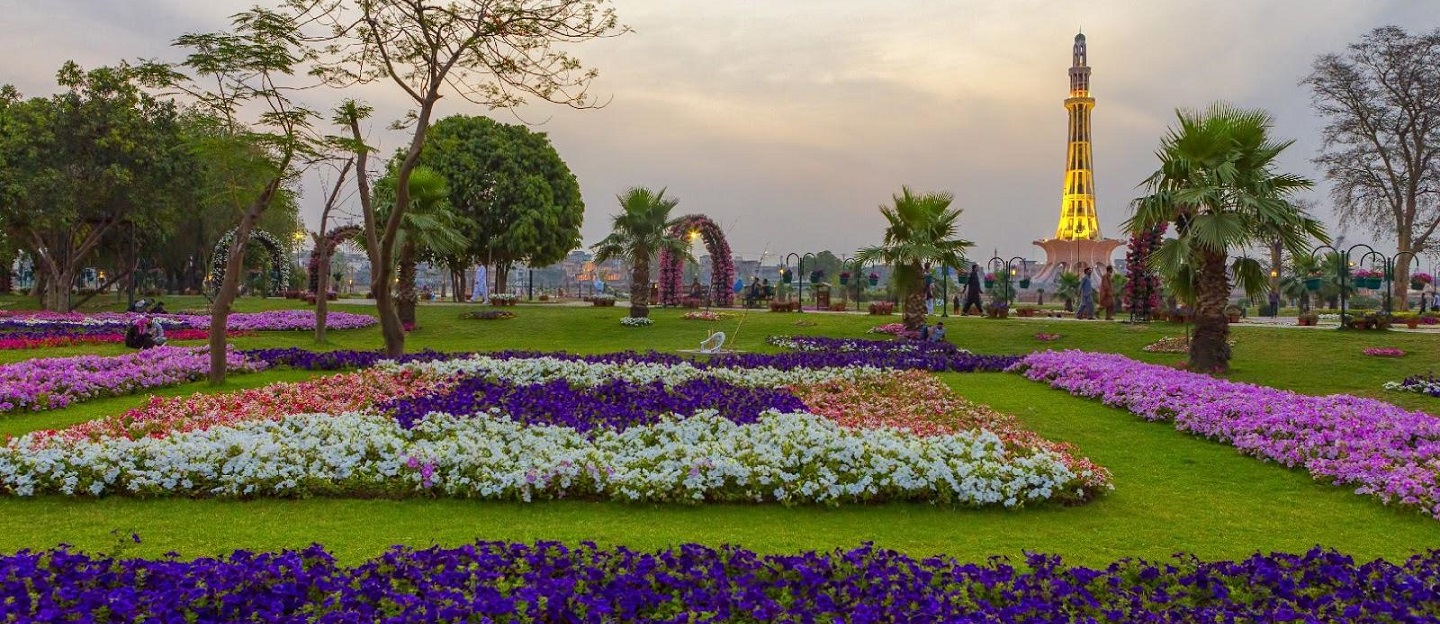
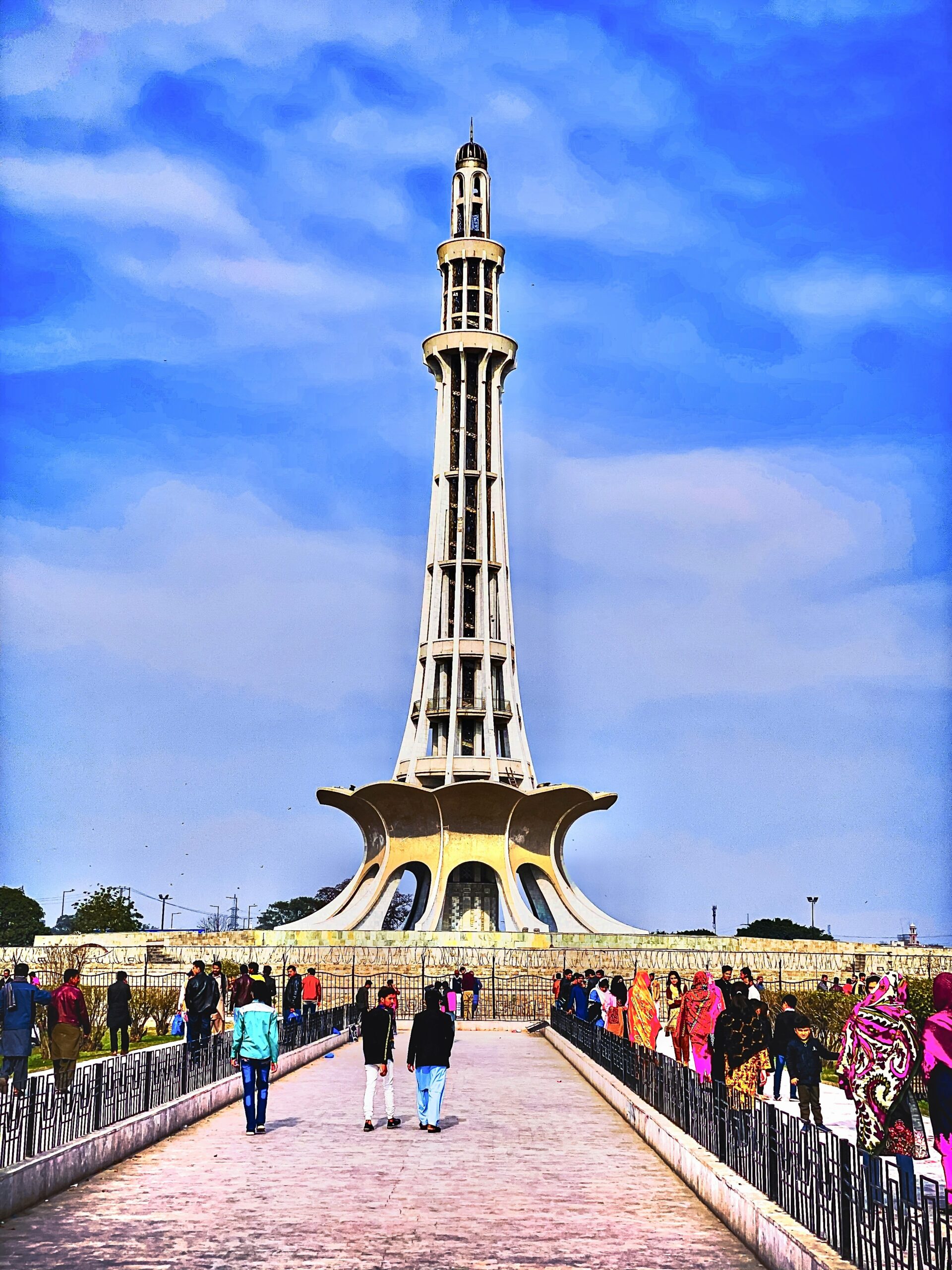
This iconic monument in Iqbal Park marks the spot where the Pakistan Resolution was passed in 1940, leading to the creation of Pakistan.
Located on the Pakistan-India border, the Wagah Border Flag-Lowering Ceremony is a must-see spectacle of national pride. Every evening, thousands gather to witness the synchronized, high-energy military parade performed by Pakistan Rangers and the Indian Border Security Force. The ceremony, filled with patriotic chants, marching, and flag-lowering rituals, is a powerful display of national unity and military discipline.
Lahore is known as the “Heart of Pakistan” for its cultural, historical, and educational significance. It hosts Lahore Literature Festival, vibrant bazaars, and Mughal-era architecture. The city is famous for its food streets, gardens, and educational institutions. Lahore’s rich heritage, lively arts scene, and dynamic population make it one of the most visited and culturally significant cities in Pakistan.