4,700 / metres
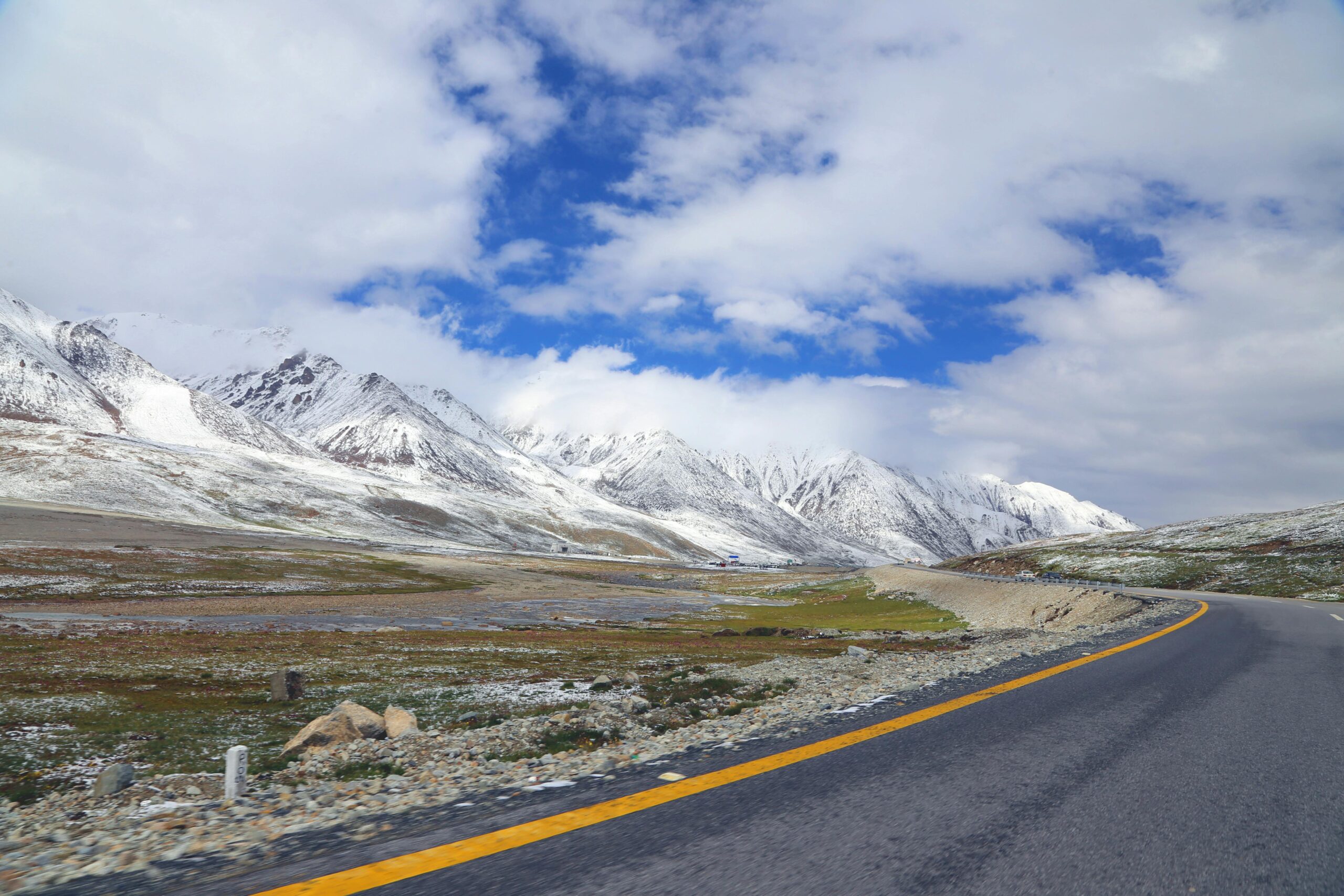
The Karakoram Highway passes through diverse climates due to its long stretch and varying elevations. Lower altitudes experience hot summers and mild winters, while higher regions, especially near Hunza and Khunjerab Pass, are cold year-round with heavy snowfall in winter.
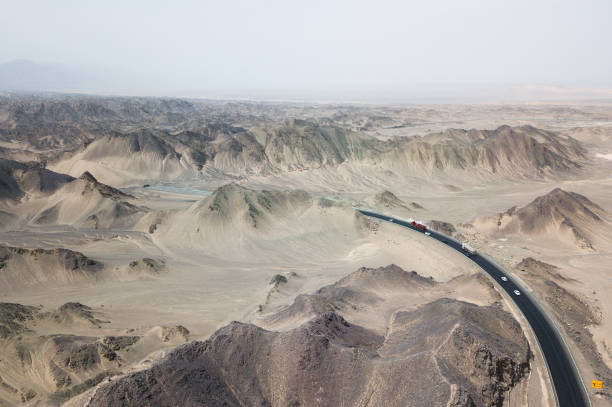
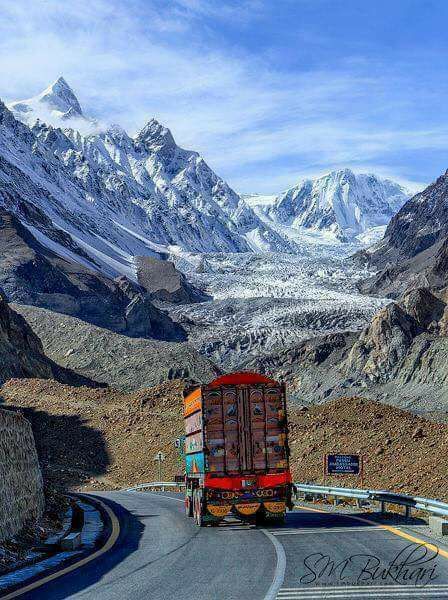
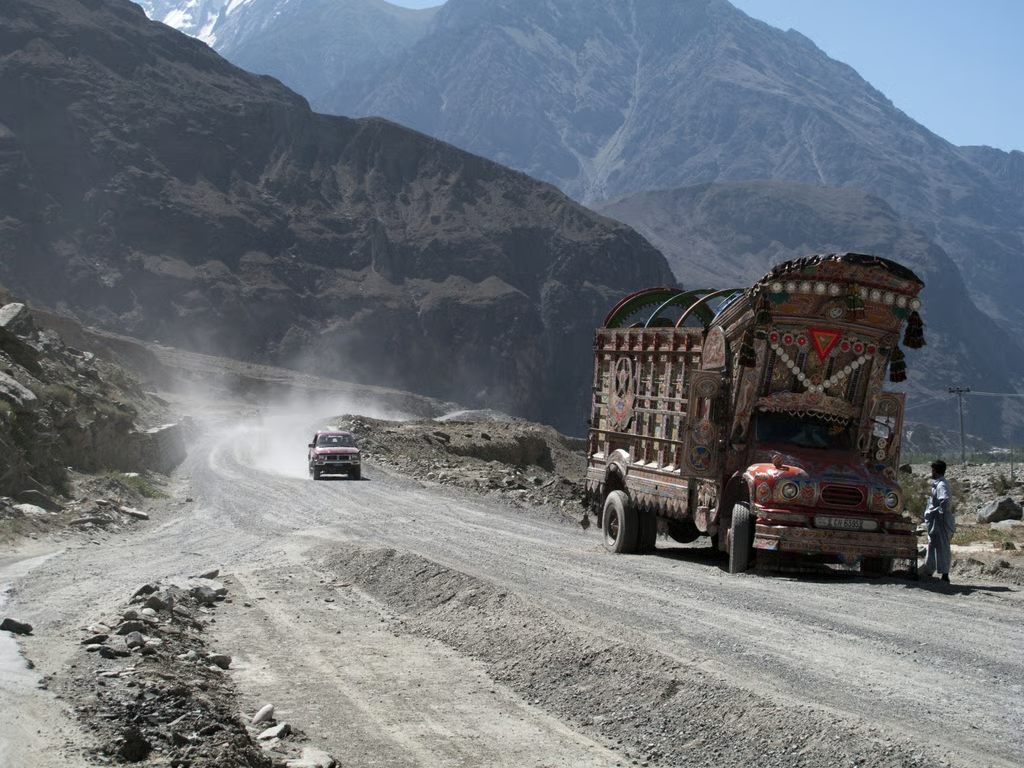
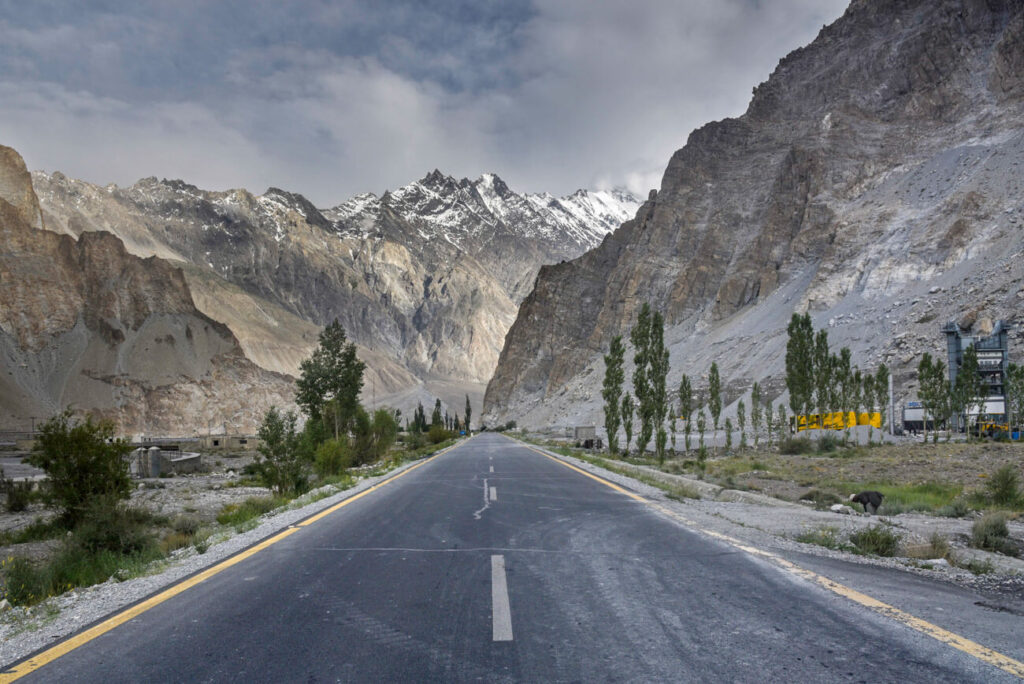
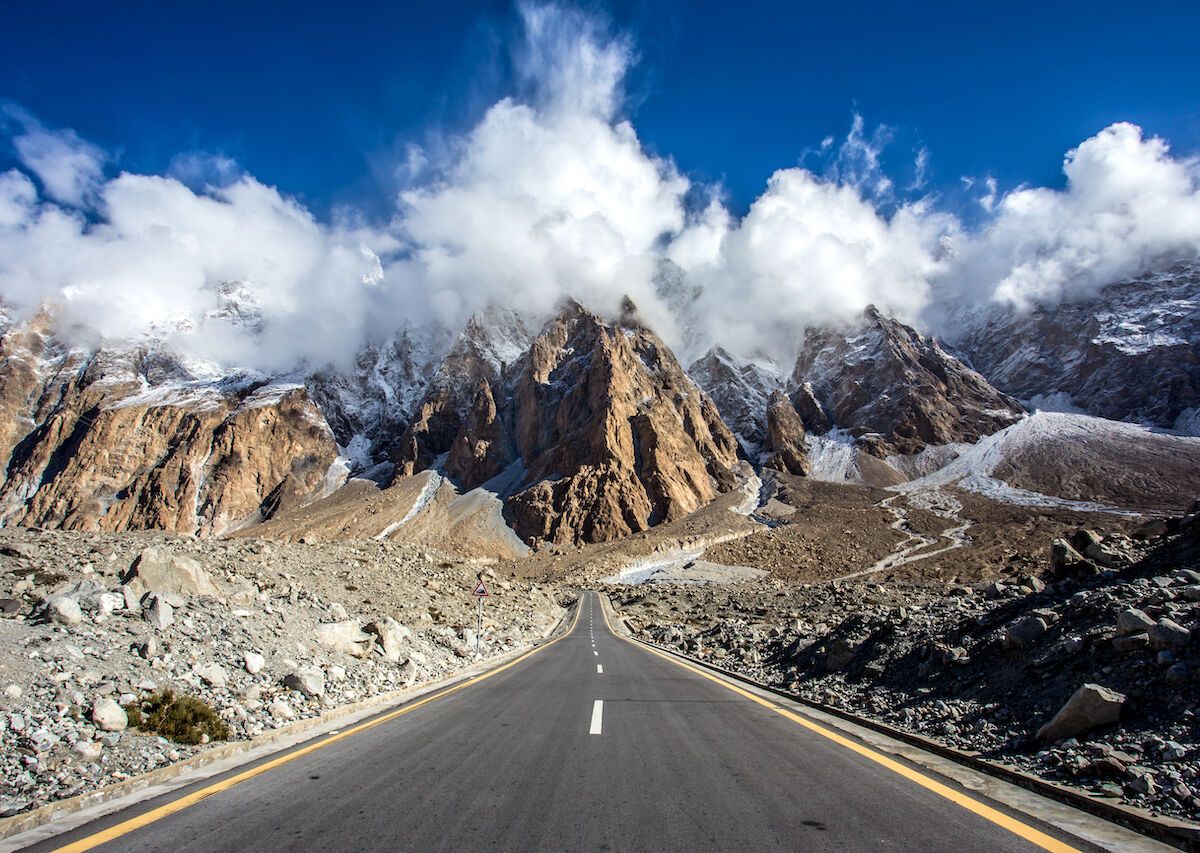
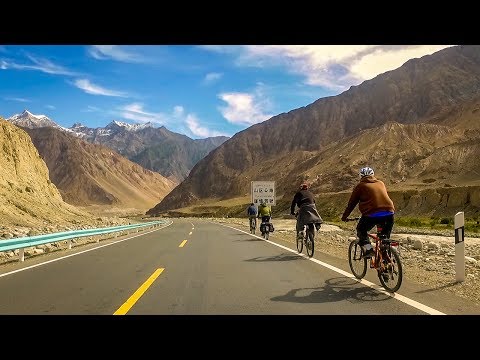
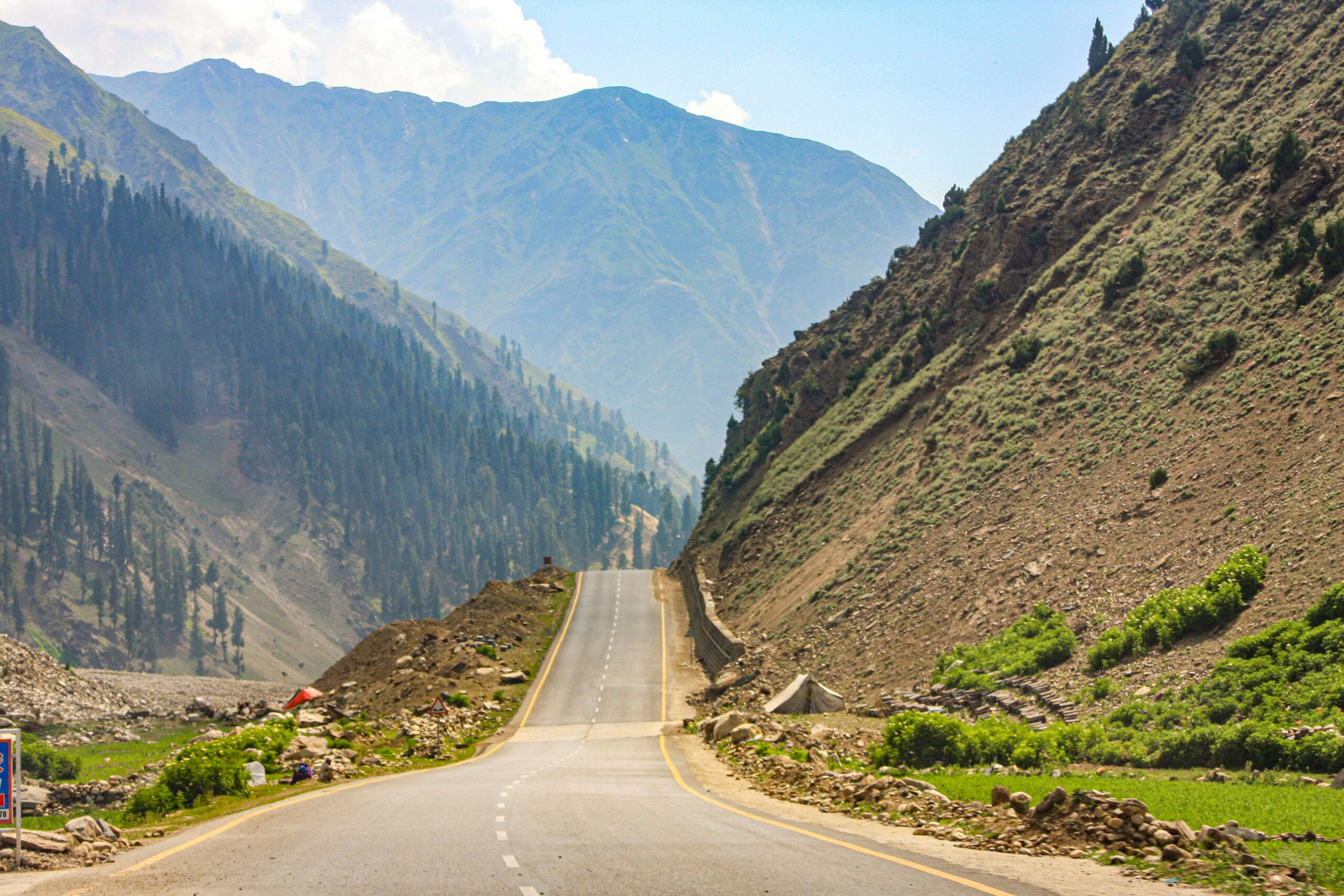
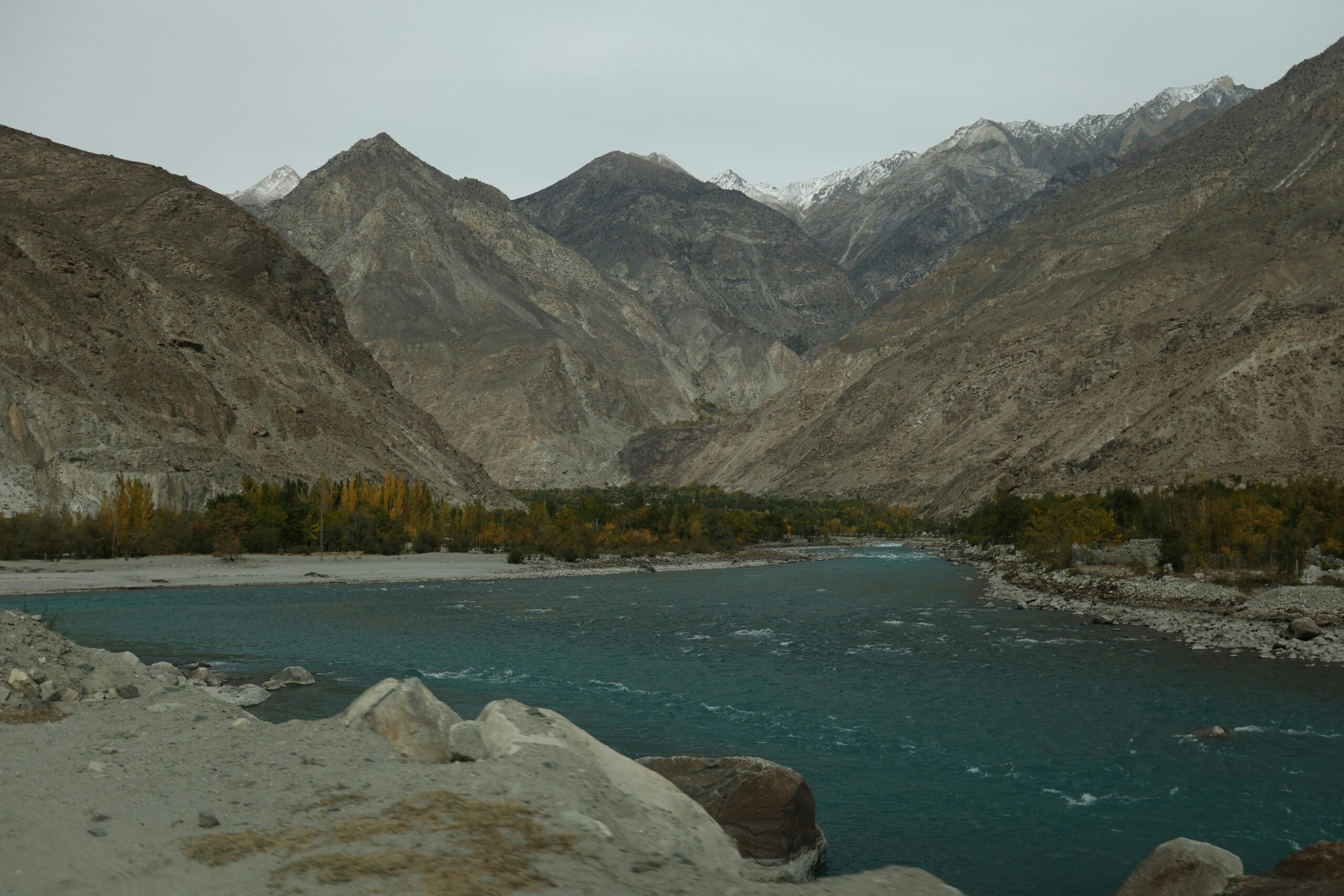
The Karakoram Highway, often called the “Eighth Wonder of the World,” is one of the highest paved international roads, connecting Pakistan with China. Stretching over 1,300 km, it passes through the Karakoram mountain range, offering breathtaking views of snow-capped peaks, valleys, and rivers. The highway is not only a vital trade route but also a popular journey for adventure seekers and tourists exploring northern Pakistan.
The Karakoram Highway, often called the “Eighth Wonder of the World,” was constructed in 1966–1978 as a joint project between Pakistan and China to connect the two countries through the Karakoram mountain range. It follows part of the ancient Silk Route, a historic trade path linking Central and South Asia. The construction was extremely challenging due to steep mountains, landslides, and harsh weather, resulting in the loss of many workers’ lives. Today, the highway serves as a vital trade route, a strategic link, and a popular tourist route, offering travelers stunning views of some of the highest peaks and most remote landscapes on Earth.
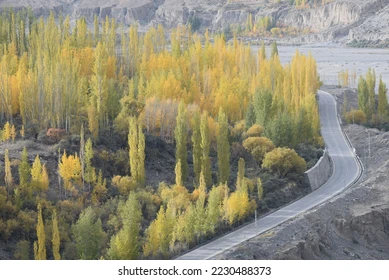
The Karakoram Highway experiences varied weather along its length due to changing elevations. Spring (March–May) brings blooming valleys and moderate temperatures, ideal for sightseeing. Summer (June–August) is warmer in lower regions, with clear skies and lush greenery, but occasional landslides occur due to monsoon rains. Autumn (September–November) offers crisp air and vibrant fall colors, while Winter (December–February) is cold, with heavy snowfall at higher altitudes, especially near Khunjerab Pass. Each season offers a unique experience, from vibrant landscapes in summer to snow-covered peaks in winter, making the highway a year-round attraction for travelers and adventurers.
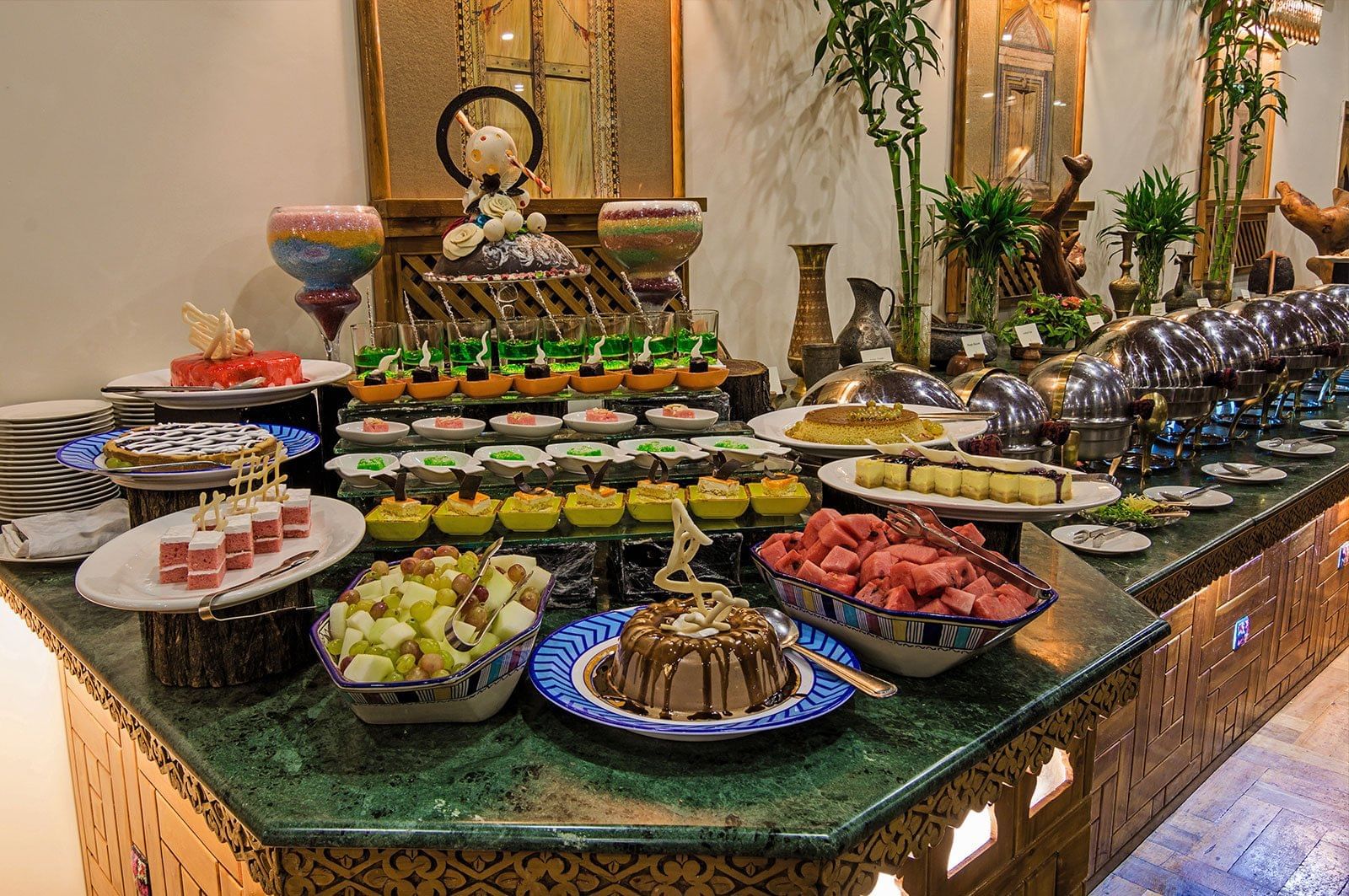
Traveling along the Karakoram Highway offers a taste of the diverse regional cuisines of northern Pakistan. Local specialties include Chapshuro (stuffed flatbread), Yak meat dishes, Diram Fitti, and freshly baked bread, reflecting the mountainous lifestyle. In valleys like Hunza and Gilgit, travelers can enjoy organic fruits, nuts, and apricot-based sweets. Roadside eateries also serve Pakistani staples such as rice, kebabs, and noodles to accommodate travelers. The combination of hearty mountain meals and fresh produce provides a unique culinary experience, giving visitors a taste of local traditions while enjoying the breathtaking landscapes along the highway.
The regions along the Karakoram Highway are rich in traditional arts and crafts that reflect the local culture and heritage. Travelers can find handwoven carpets, embroidered textiles, wooden carvings, and jewelry made by skilled artisans in villages along the route. In Hunza, Gilgit, and Chilas, local crafts often feature intricate patterns inspired by nature and mountains. Stone and gemstone jewelry, particularly lapis lazuli and quartz, is popular among tourists. Each handcrafted item represents the history, culture, and creativity of northern Pakistan, making the Karakoram Highway not only a scenic journey but also a cultural experience for art enthusiasts.
The Karakoram Highway passes through diverse communities in northern Pakistan, including Hunza, Gilgit, Chilas, and Skardu. The population comprises ethnic groups such as Burusho, Wakhi, Shina, and Balti, each with unique languages, traditions, and cultural practices. Most people follow Ismaili or Sunni Islam, with small pockets of indigenous beliefs in remote valleys. Communities along the highway maintain traditional lifestyles, focusing on agriculture, livestock, and handicrafts, while younger generations pursue education and trade. The demographic diversity enriches the region’s cultural landscape, offering travelers a glimpse into the varied lifestyles, customs, and hospitality of northern Pakistan.
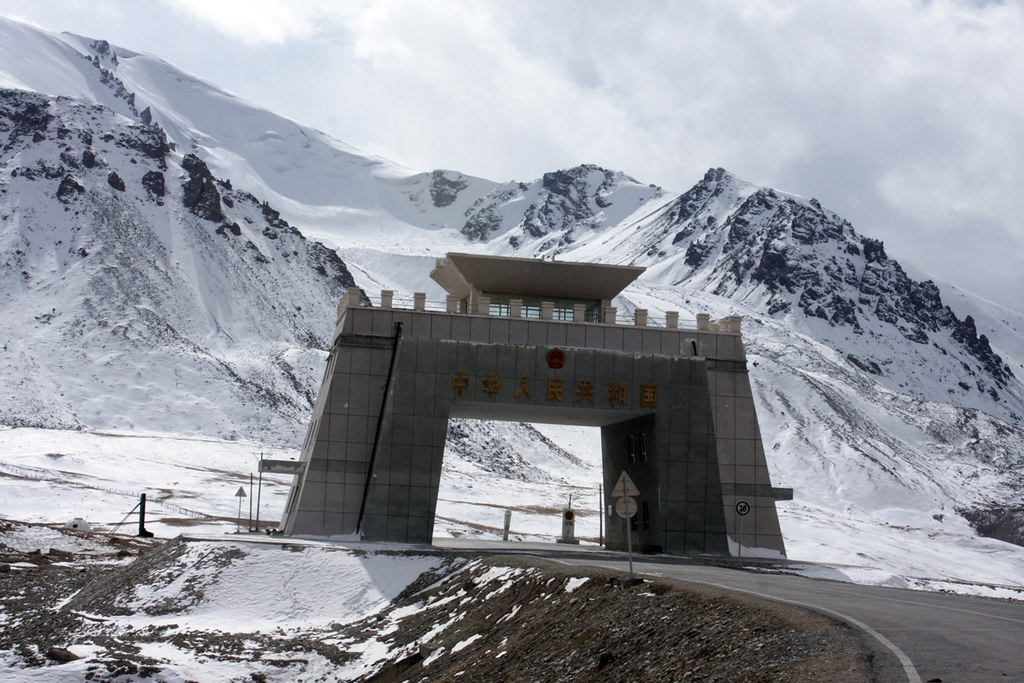
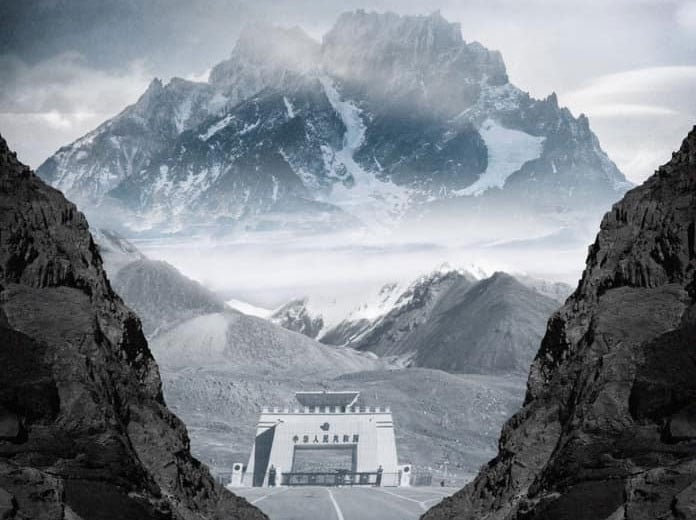
The Karakoram Highway, called the “Eighth Wonder of the World,” is one of the highest paved international roads globally, reaching over 4,700 meters at Khunjerab Pass. It follows part of the ancient Silk Route, connecting Pakistan with China. Constructed between 1966 and 1978, thousands of workers faced extreme conditions, with many losing their lives during construction. The highway passes through breathtaking landscapes, including snow-capped peaks, glaciers, rivers, and lush valleys. Travelers can explore culturally rich regions like Hunza, Gilgit, and Skardu. The highway serves as both a vital trade route and a popular adventure destination, offering stunning scenery and unique cultural experiences.