540 / metres
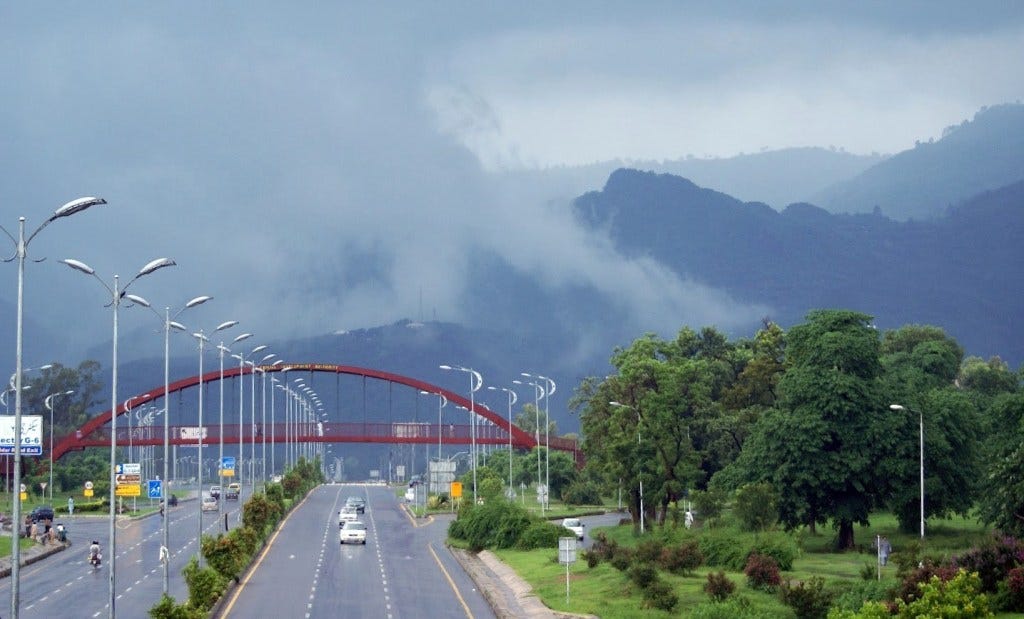
Islamabad has a temperate climate with hot summers, mild autumns, cool winters, and pleasant springs. Monsoon rains and fresh Margalla Hills air add to its charm.
Islamabad, the capital city of Pakistan, is known for its modern infrastructure, scenic beauty, and organized layout. Nestled against the Margalla Hills, the city offers lush greenery, wide avenues, and peaceful residential areas. It is a hub of political, cultural, and economic activity, with landmarks like Faisal Mosque, Daman-e-Koh, and Rawal Lake attracting both tourists and locals alike.
Islamabad is Pakistan’s purpose-built capital, officially designated in 1960 to replace Karachi. The city was planned by Greek architect Constantinos Apostolou Doxiadis, with a modern layout emphasizing organized sectors, wide roads, and green spaces. Its location near the Margalla Hills and the Potohar Plateau was chosen for strategic, political, and climatic reasons. Before its development as a capital, the area consisted mainly of small villages and farmland. Over the decades, Islamabad has grown into a political, cultural, and administrative hub, blending modern infrastructure with natural beauty, while nearby historical sites reflect the region’s ancient civilizations and rich heritage.
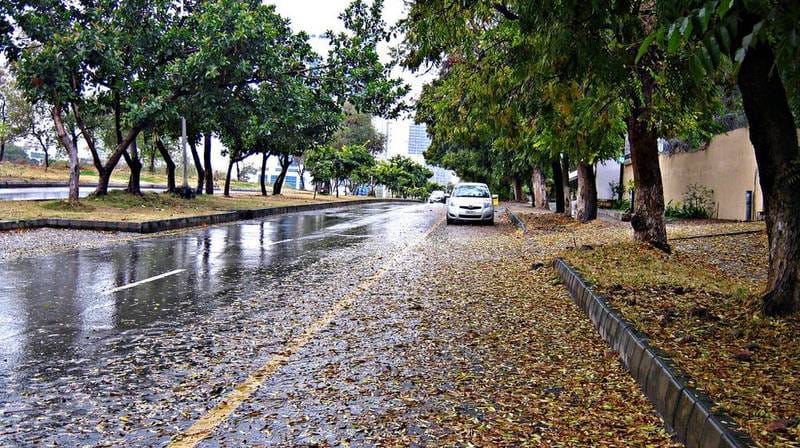
Islamabad experiences four distinct seasons. Spring (March–April) brings blossoming flowers, mild temperatures, and fresh greenery. Summer (May–August) is hot, often exceeding 35°C, with occasional monsoon rains cooling the city. Autumn (September–November) is mild and pleasant, ideal for sightseeing. Winter (December–February) is cool and foggy, with temperatures sometimes near 0°C. Each season highlights a different aspect of Islamabad’s natural beauty, from vibrant gardens and parks in spring to snow-dusted Margalla Hills in winter, making the city a year-round destination.
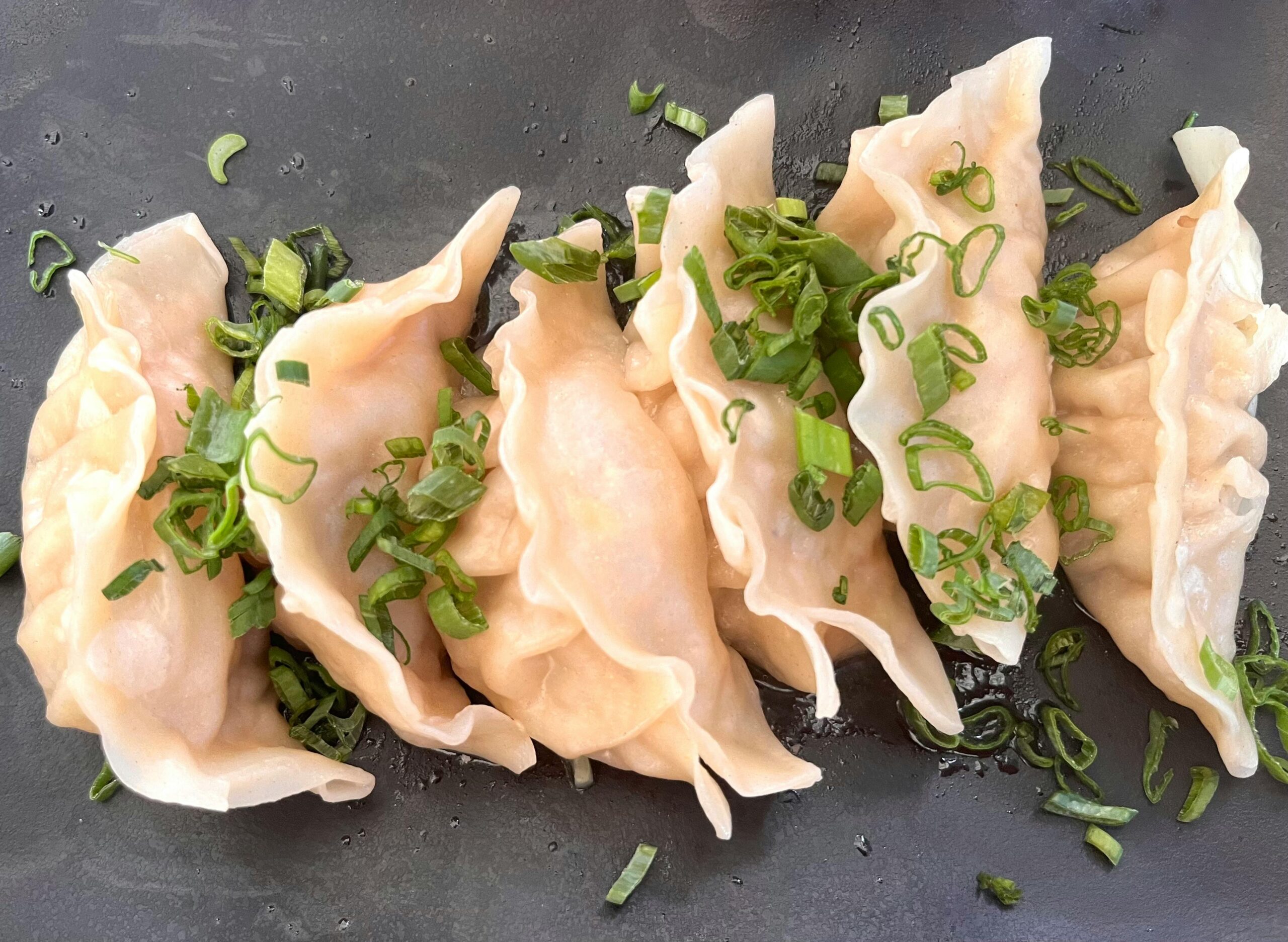
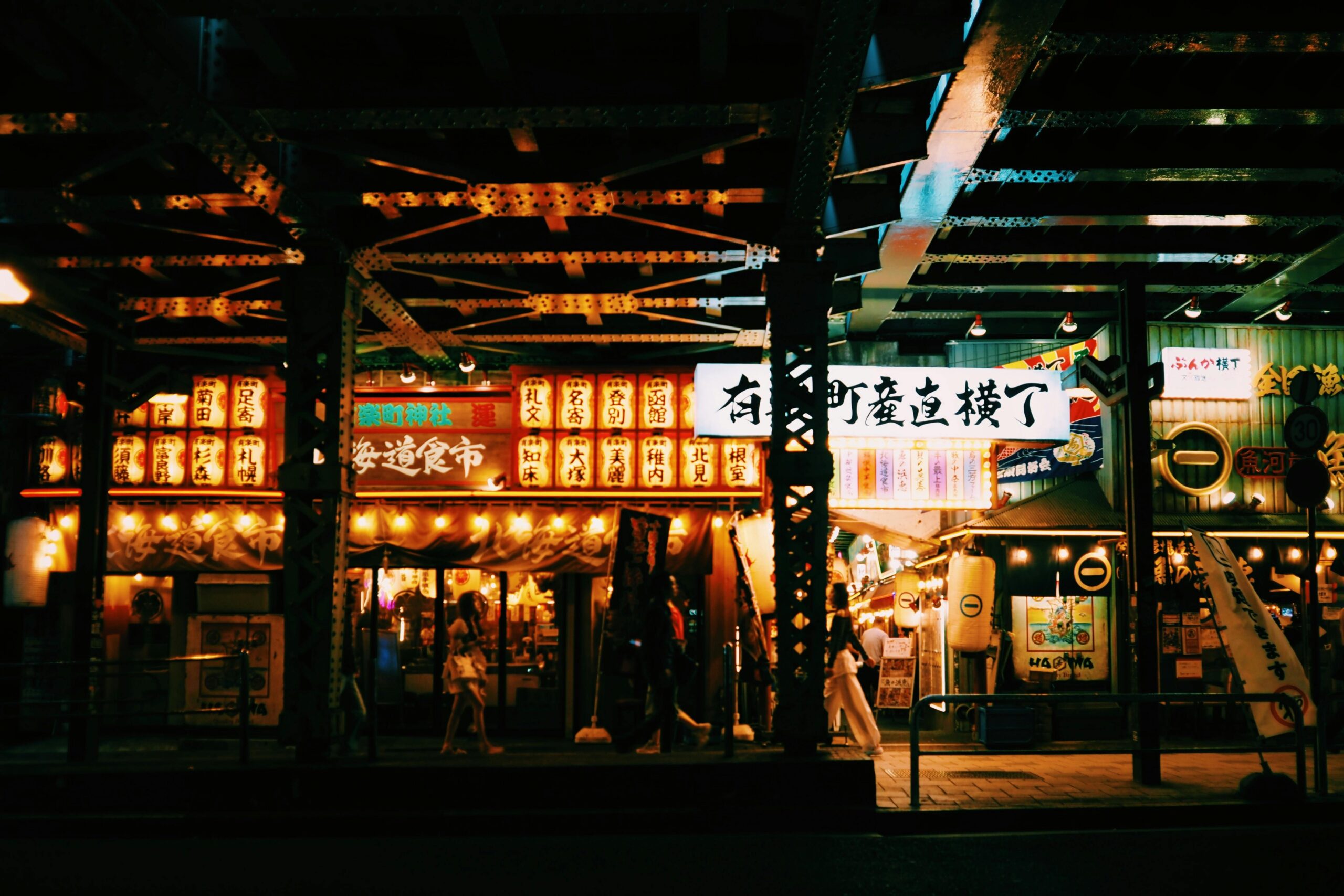
Islamabad offers a diverse culinary scene, blending traditional Pakistani flavors with international cuisines. Local specialties include seekh kebabs, chapli kebabs, nihari, and biryani, reflecting the country’s rich culinary heritage. Fresh fruits, vegetables, and dairy products from nearby regions add to the quality of local dishes. The city is also home to numerous cafes, restaurants, and fine-dining spots serving continental, Chinese, and Middle Eastern cuisines. Street food, including golgappas, chaat, and samosas, is popular among locals and tourists. Islamabad’s food culture caters to all tastes, offering both authentic Pakistani meals and global flavors in a clean and vibrant environment.
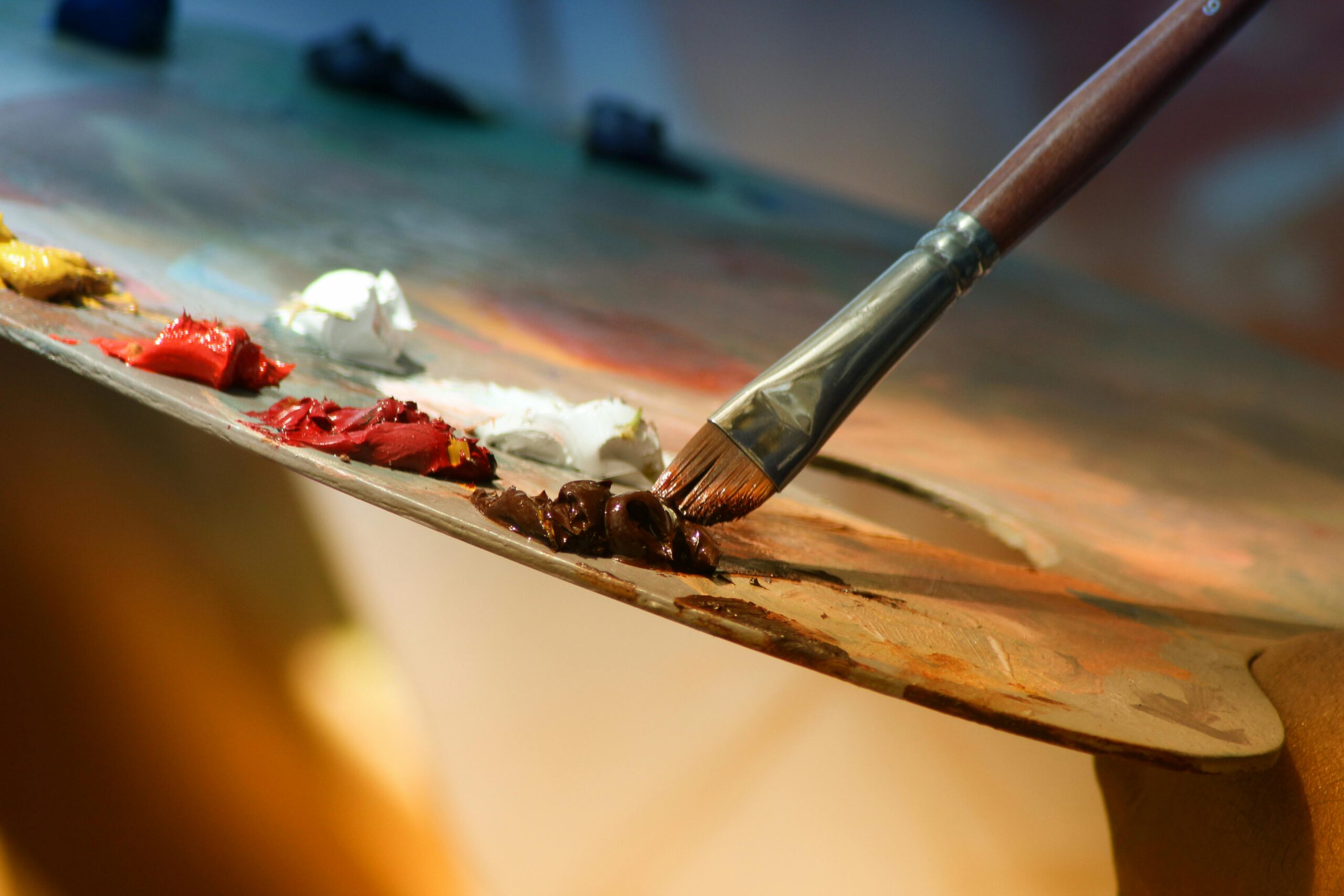
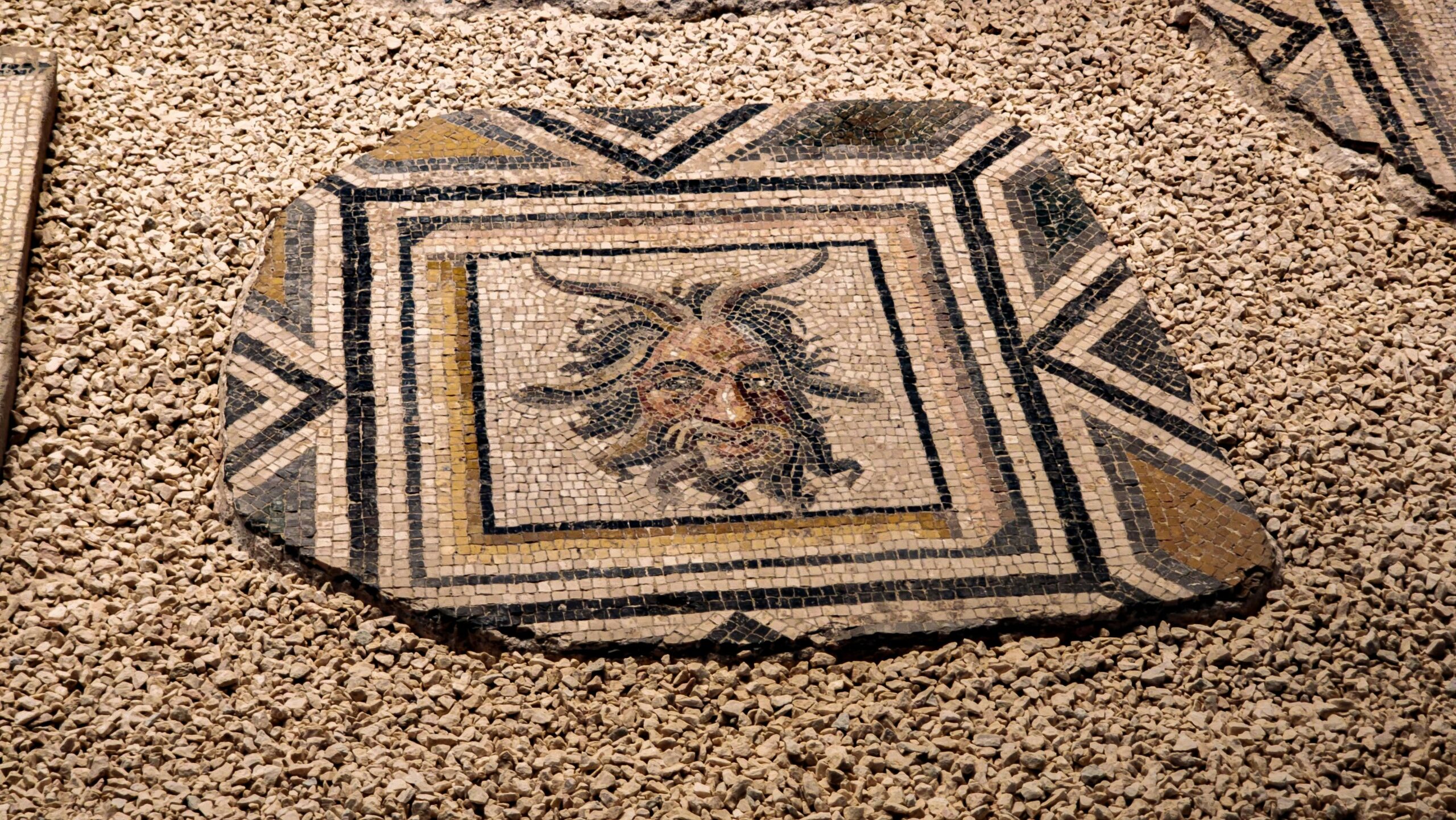
Islamabad may be a modern city, but it showcases Pakistan’s rich arts and crafts heritage through local markets, galleries, and cultural centers. Visitors can find handwoven carpets, pottery, embroidered textiles, and traditional jewelry inspired by regional designs. The city also hosts exhibitions and festivals highlighting contemporary and traditional artwork. Nearby areas, like Rawalpindi and the surrounding Punjab region, contribute to the variety of crafts available, making Islamabad a hub for both art enthusiasts and tourists seeking authentic Pakistani handmade items. Each piece reflects cultural heritage, skilled craftsmanship, and the vibrant creativity of local artisans.
Islamabad, Pakistan’s capital, has a population of approximately 1.2 million within the city and over 2 million in the metropolitan area, including Rawalpindi. The city is home to diverse ethnic groups, including Punjabis, Pashtuns, Sindhis, Balochis, and Kashmiris, as well as expatriates and government officials from across the country. Urdu is the national language, while English is widely used in administration and education. Islamabad has a high literacy rate and a well-educated population, reflecting its role as the political, cultural, and educational hub of Pakistan. The city’s demographic mix contributes to its cosmopolitan and inclusive character.
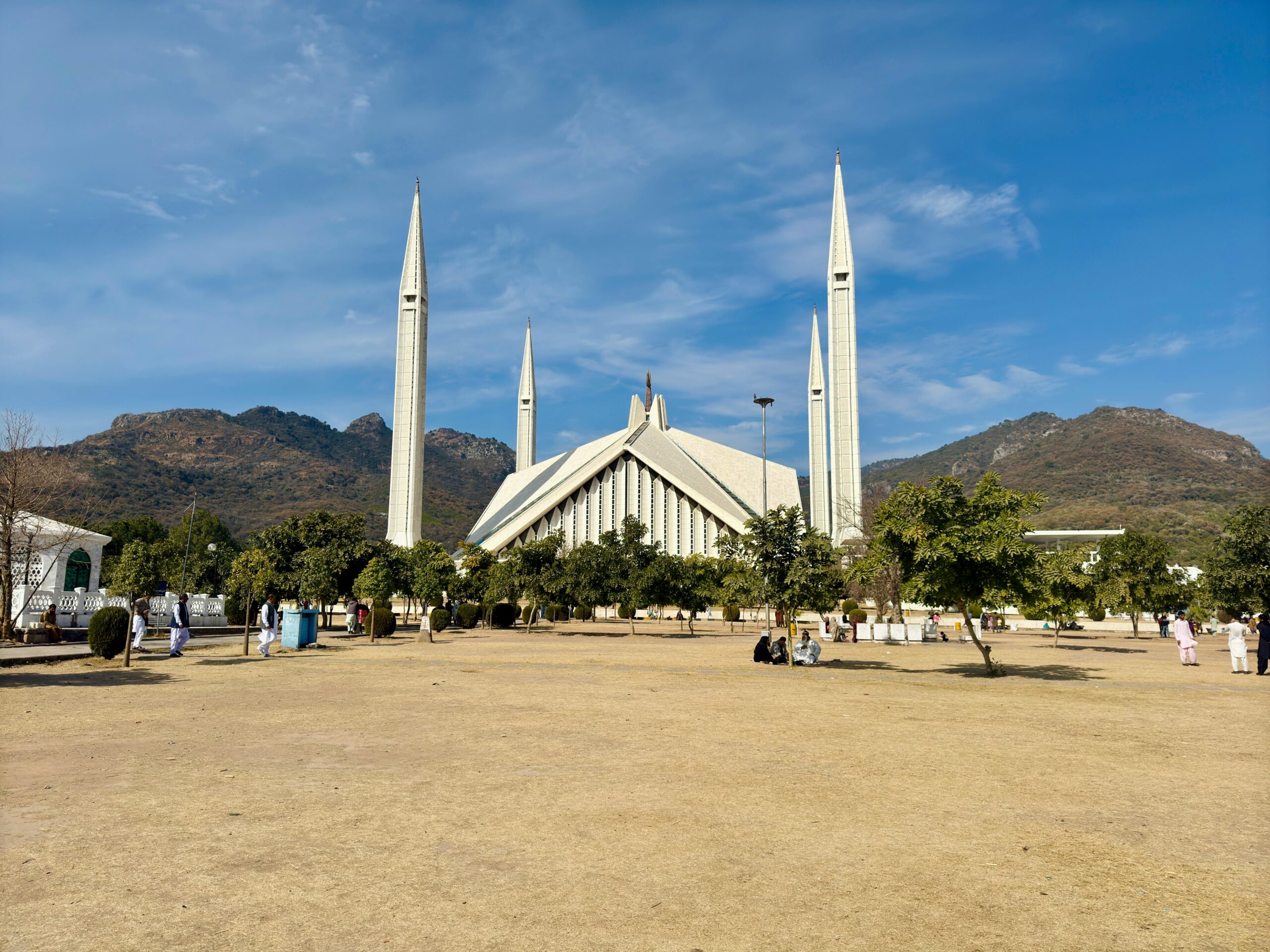
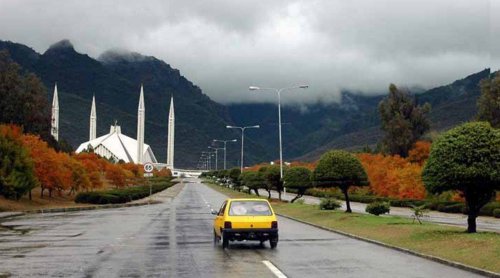
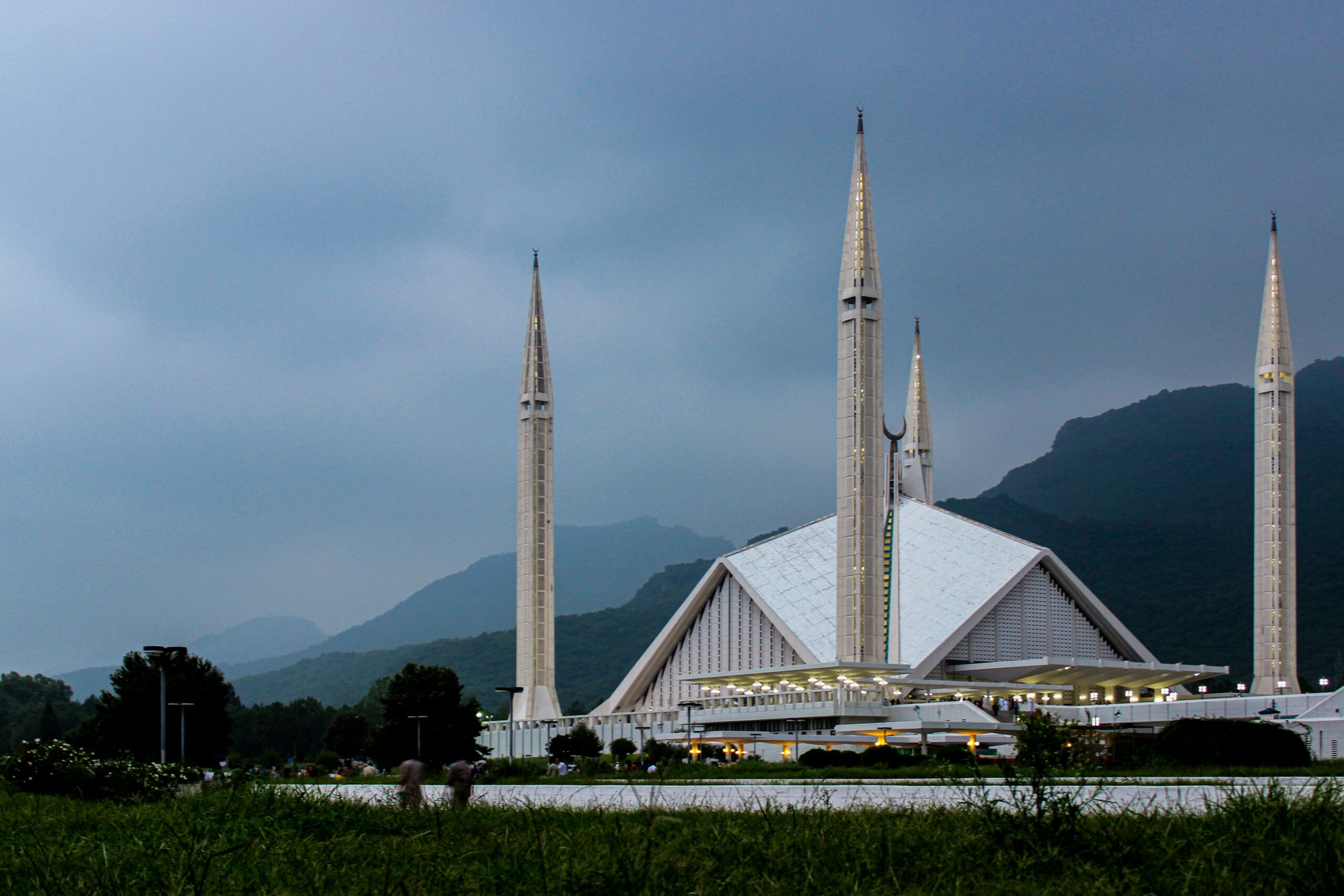
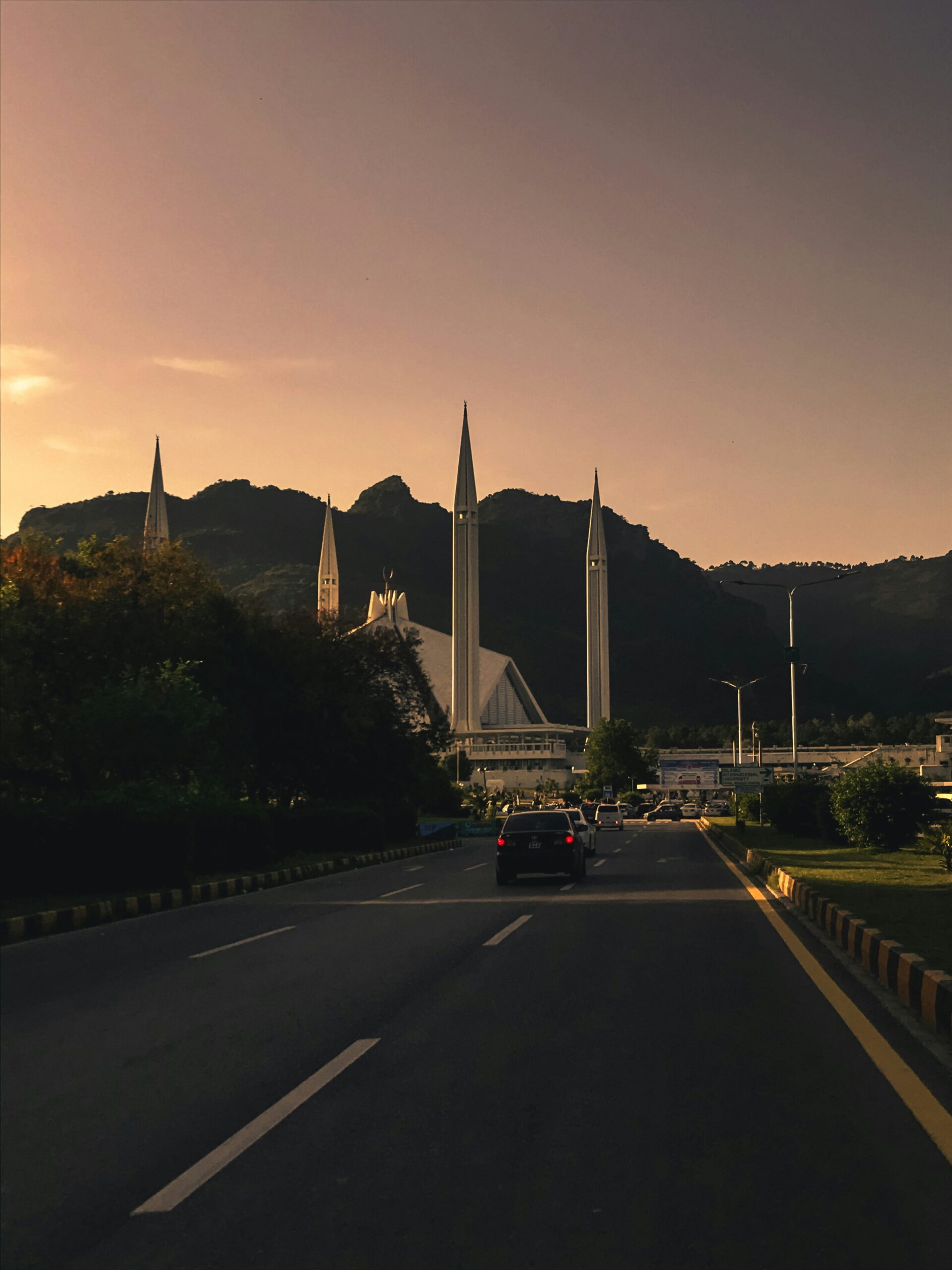
One of Asia’s largest mosques, Faisal Mosque is an architectural masterpiece blending modern and Islamic designs, with its iconic white structure standing against the Margalla Hills.
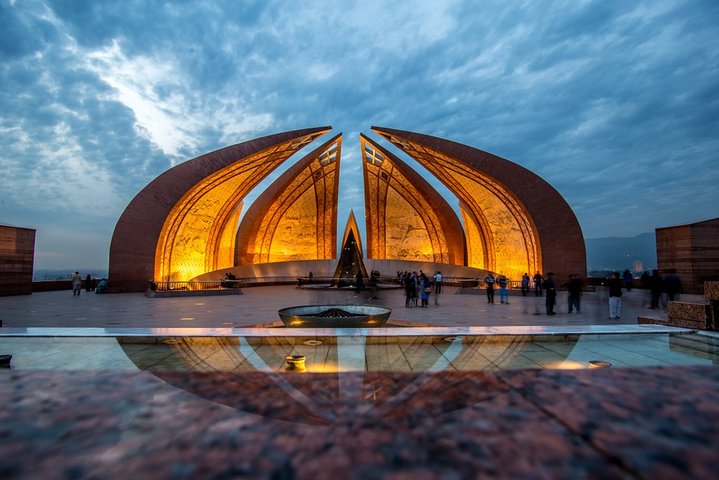
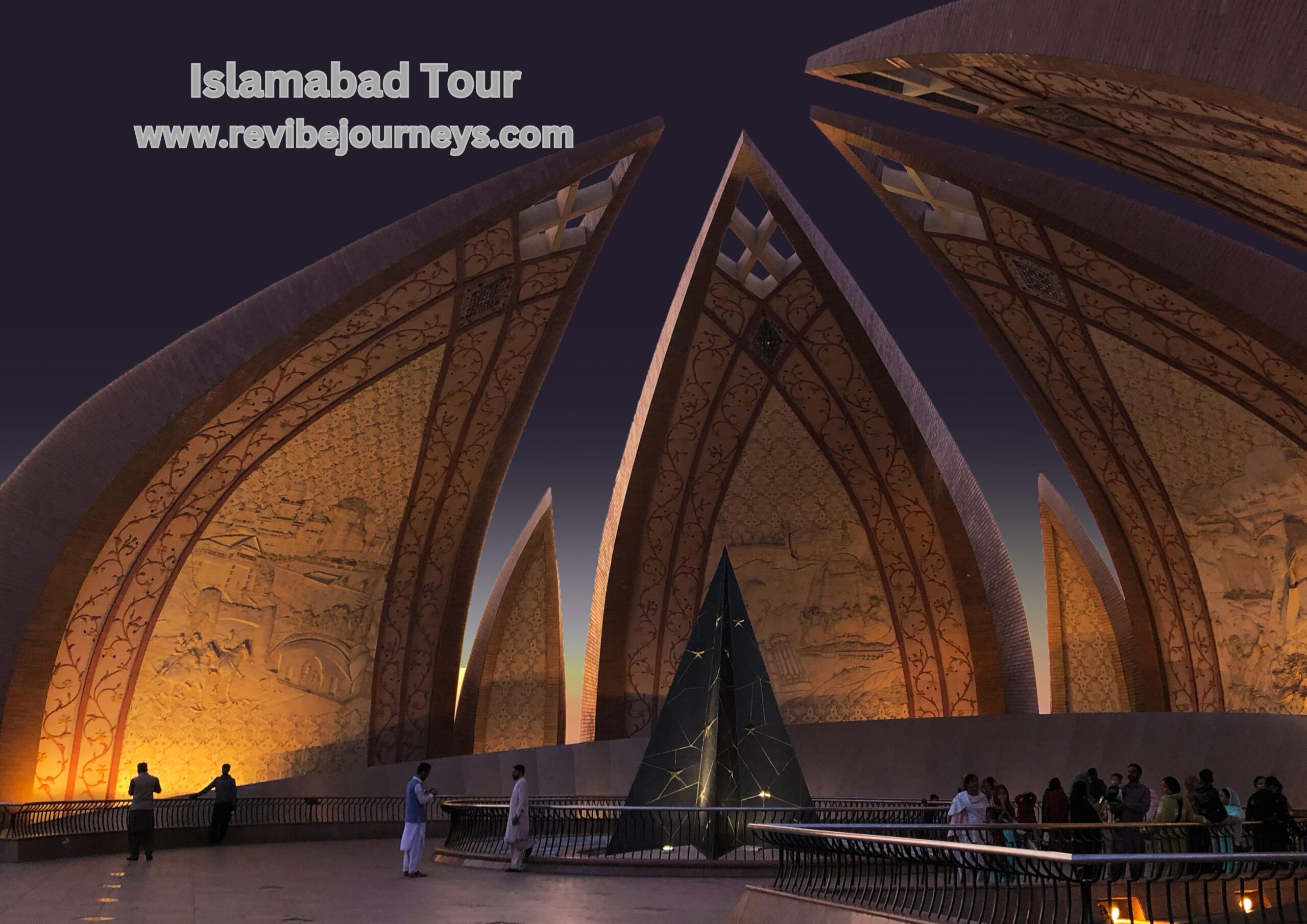
A national symbol of unity, this stunning petal-shaped structure represents the four provinces and three territories of Pakistan. The adjacent museum showcases the nation’s rich history.
A cultural treasure trove, this museum displays traditional art, music, and heritage from different regions of Pakistan.
Islamabad is famous for its scenic hiking trails, including: Trail 3 – A moderate trek leading to Pir Sohawa for breathtaking city views. Trail 5 – A longer, more scenic route with diverse wildlife.
A popular viewpoint offering a panoramic view of Islamabad, perfect for sunset photography and dining at Monal Restaurant.
A serene escape where visitors can enjoy boating, fishing, and picnicking amidst lush surroundings.
A centuries-old heritage site turned into a cultural hub with traditional restaurants, old temples, and art galleries.
An ideal family-friendly destination offering boating, bird watching, and adventure sports.
For luxury shopping, entertainment, and dining, these malls are the go-to places in Islamabad.
A hidden gem showcasing vintage locomotives, historical train artifacts, and colonial-era railway history.
Islamabad is a unique blend of natural beauty and modern urban planning. The city was specifically designed to be Pakistan’s capital in 1960, replacing Karachi. It is surrounded by the Margalla Hills, offering numerous hiking trails and scenic viewpoints. Islamabad houses the iconic Faisal Mosque, one of the largest mosques in the world. The city is known for its lush parks, clean streets, and organized sectors. It is also a hub for education and culture, with numerous universities, museums, and art galleries. Islamabad’s combination of nature, architecture, and modern amenities makes it one of the most livable cities in Pakistan.