668,000 / metres
Hunza Valley experiences cool and refreshing weather most of the year, with pleasant summers and cold, snowy winters. Summer temperatures stay mild, making it ideal for travel, while spring brings colorful blossoms.
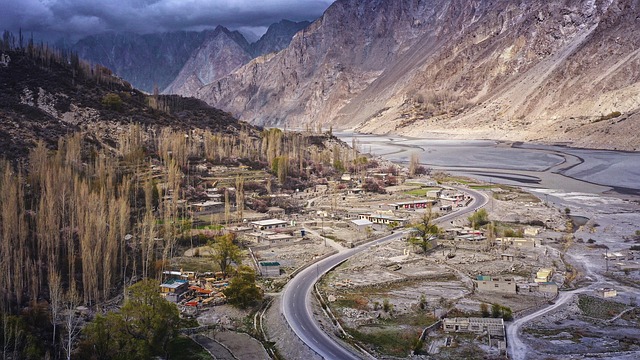
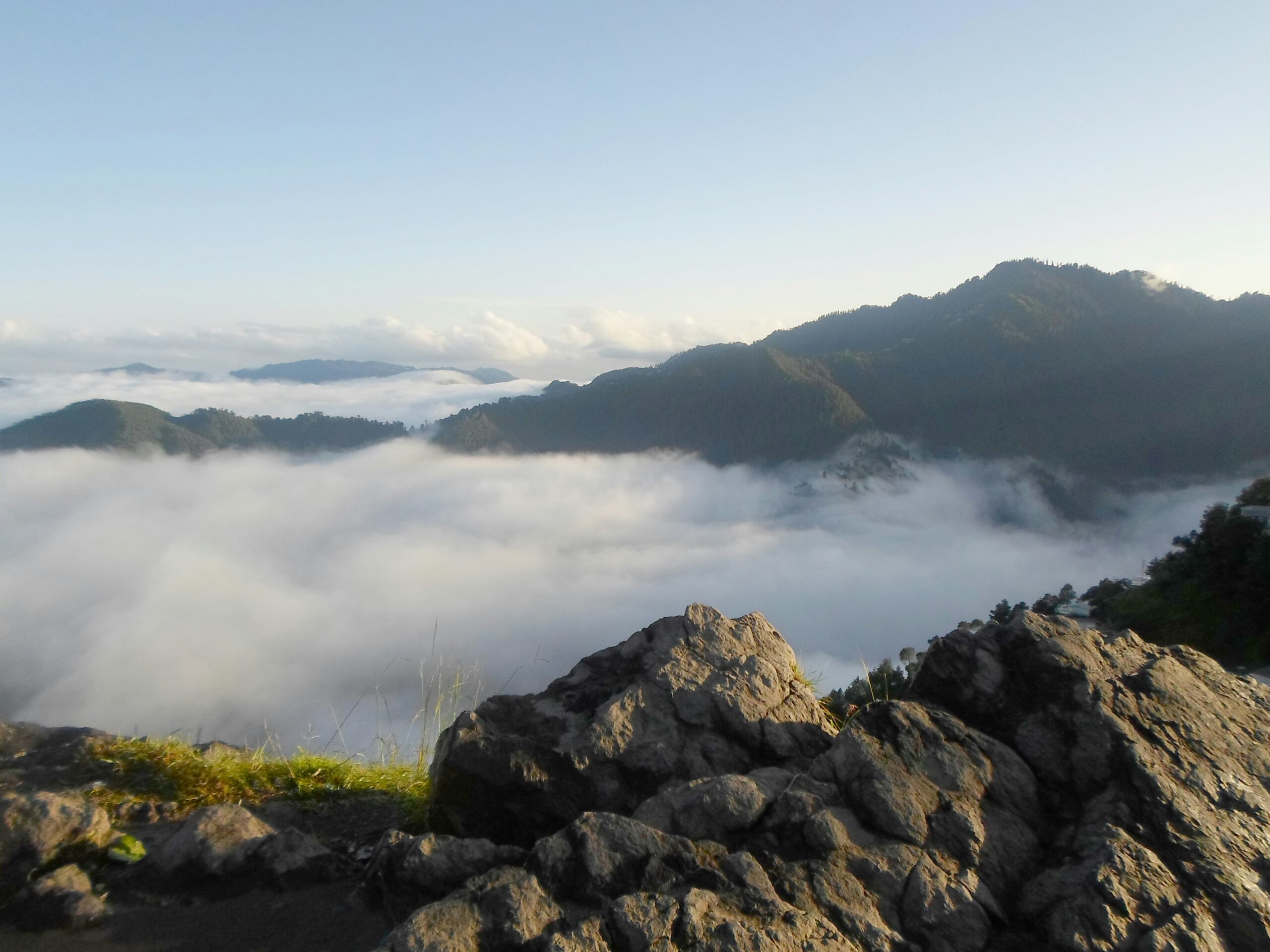
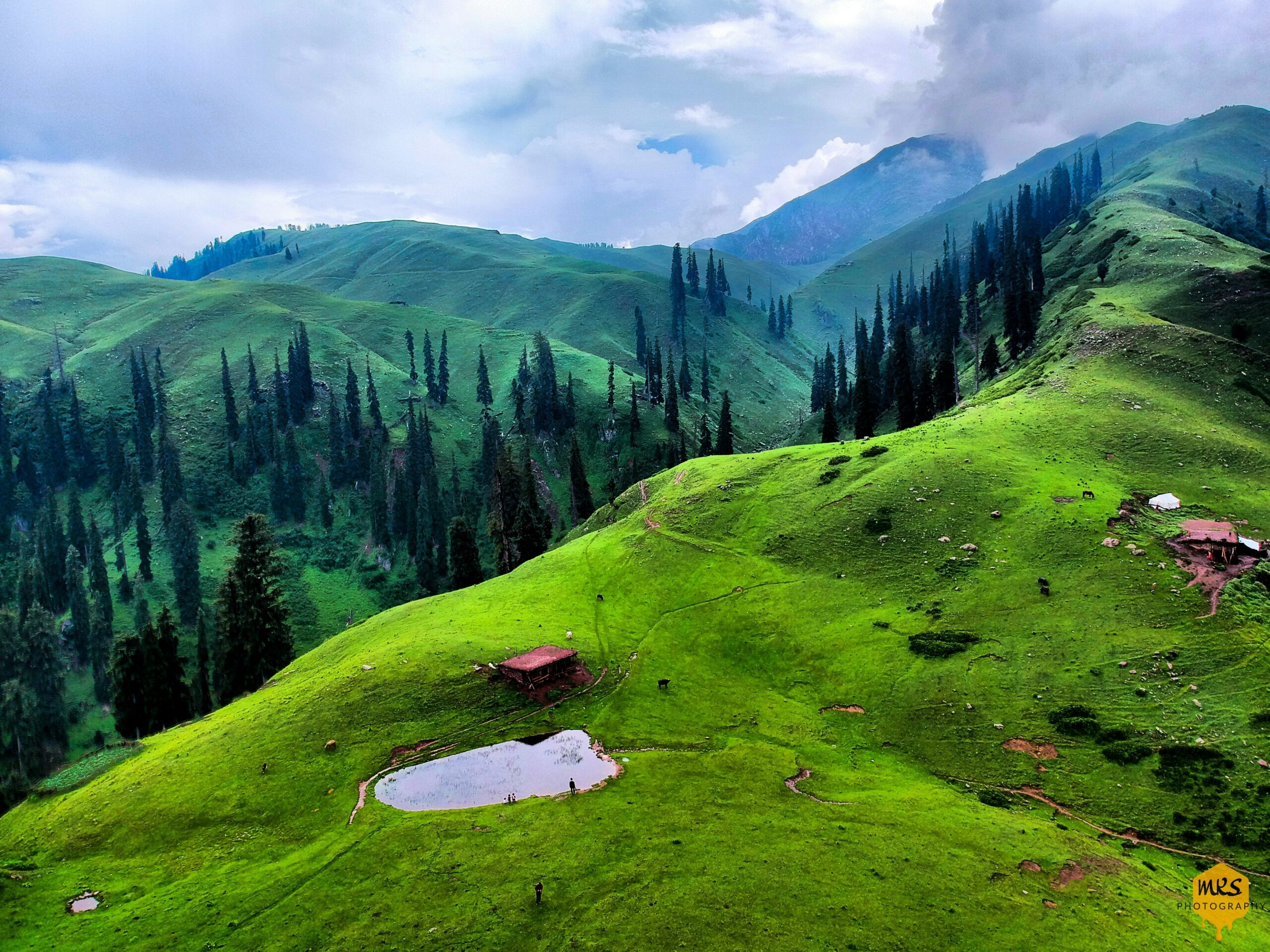
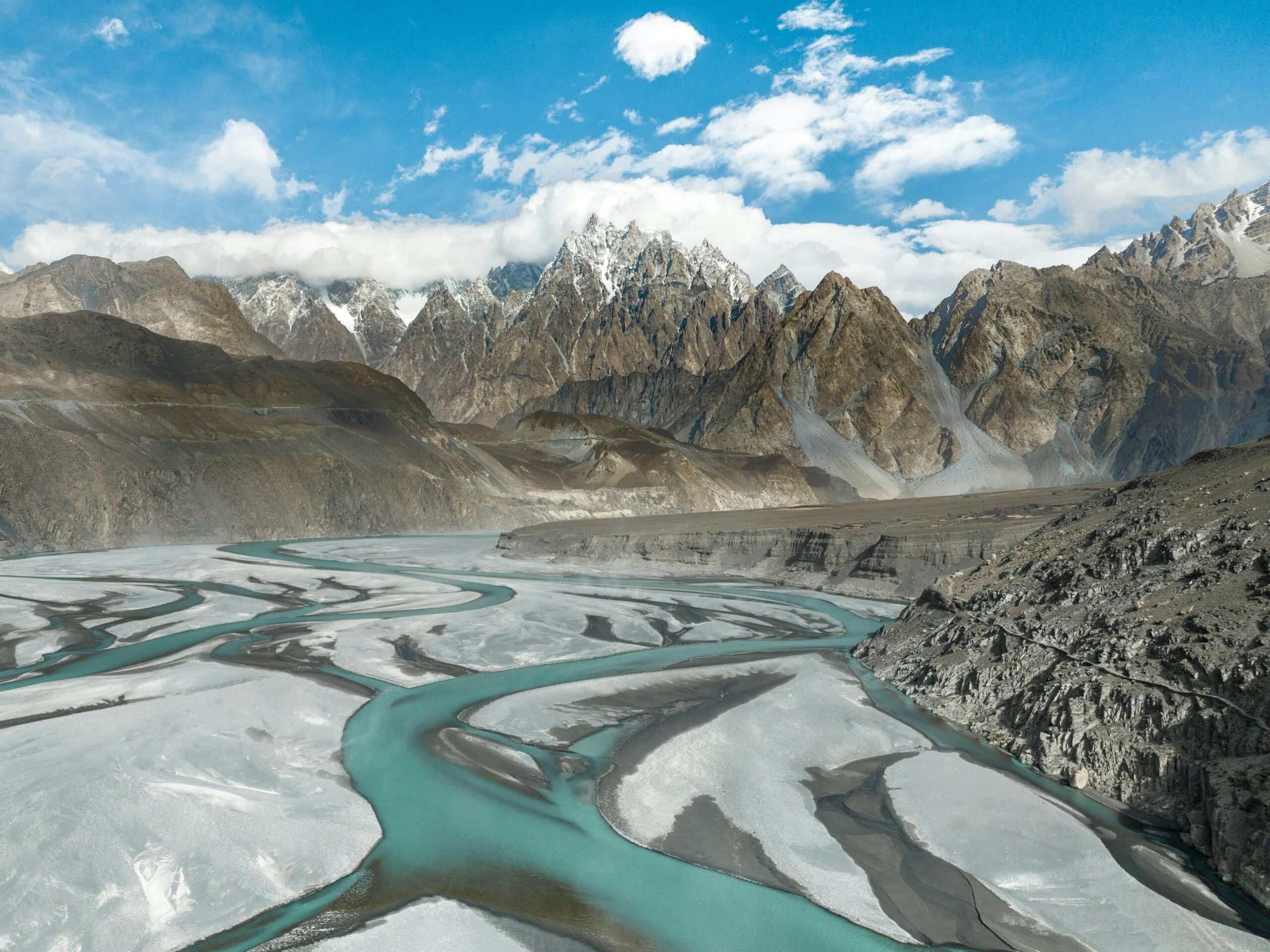
Hunza Valley is one of Pakistan’s most iconic travel destinations, famous for its majestic mountains, serene landscapes, and welcoming local culture. Known as the “Heaven on Earth,” the valley features stunning viewpoints, historic forts, and vibrant natural beauty throughout the year. Its peaceful atmosphere and breathtaking scenery make it a must-visit spot for nature lovers and adventure seekers.
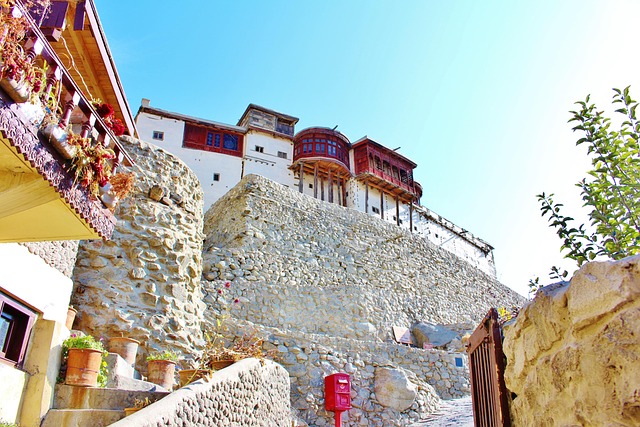
Hunza Valley has a rich and ancient history shaped by its strategic location on the historic Silk Route. For centuries, it served as an important passage for traders traveling between Central Asia and South Asia. The region was once an independent princely state ruled by the Mirs of Hunza, who governed the area for more than 900 years. Their legacy can still be seen in historic sites like Baltit Fort and Altit Fort. Hunza’s culture reflects a blend of Tibetan, Central Asian, and local influences. In 1974, the valley officially became part of Pakistan, but its heritage, traditions, and unique identity remain deeply preserved.
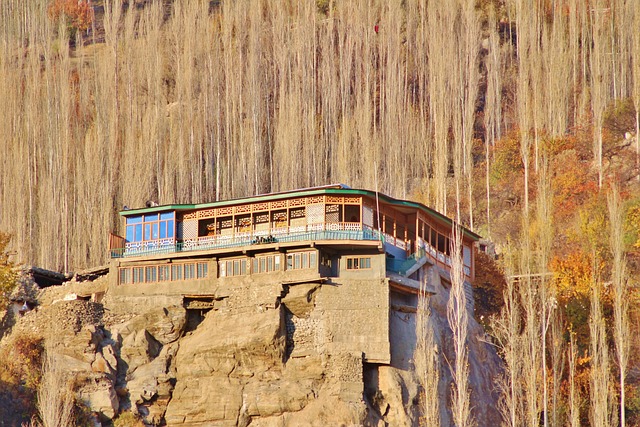
Hunza Valley offers a magical experience in every season. Spring transforms the valley into a floral paradise with cherry and apricot blossoms covering the landscape. Summer brings pleasant temperatures, clear skies, and ideal conditions for trekking and sightseeing. Autumn is famous for its golden trees and vibrant colors, making it one of the most beautiful times to visit. Winter turns Hunza into a peaceful, snow-covered wonderland, perfect for those who enjoy serene mountain views. Each season reveals a different side of Hunza’s natural beauty.
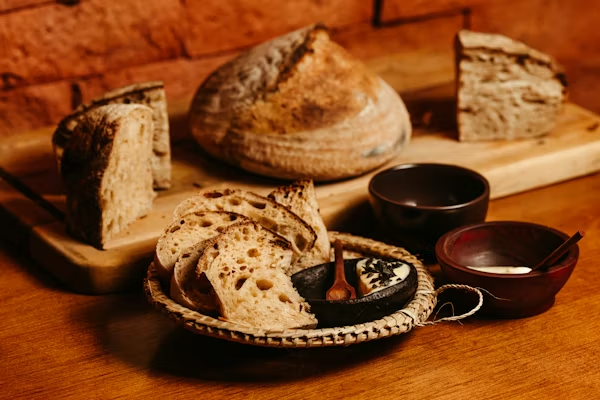
Hunza Valley is known for its simple, healthy, and naturally flavorful cuisine. The local food is made from fresh organic ingredients, giving visitors a true taste of mountain life. Popular dishes include Chapshuro, a delicious stuffed meat bread, and Diram Fitti, a sweet, energy-rich wheat bread. Harissa, a comforting meat and wheat dish, is especially enjoyed in winter. You’ll also find Mamtu (steamed dumplings), Gyal (buckwheat pancakes), and refreshing Hunza tea served throughout the region. Every meal reflects the valley’s rich culture and traditional way of living.
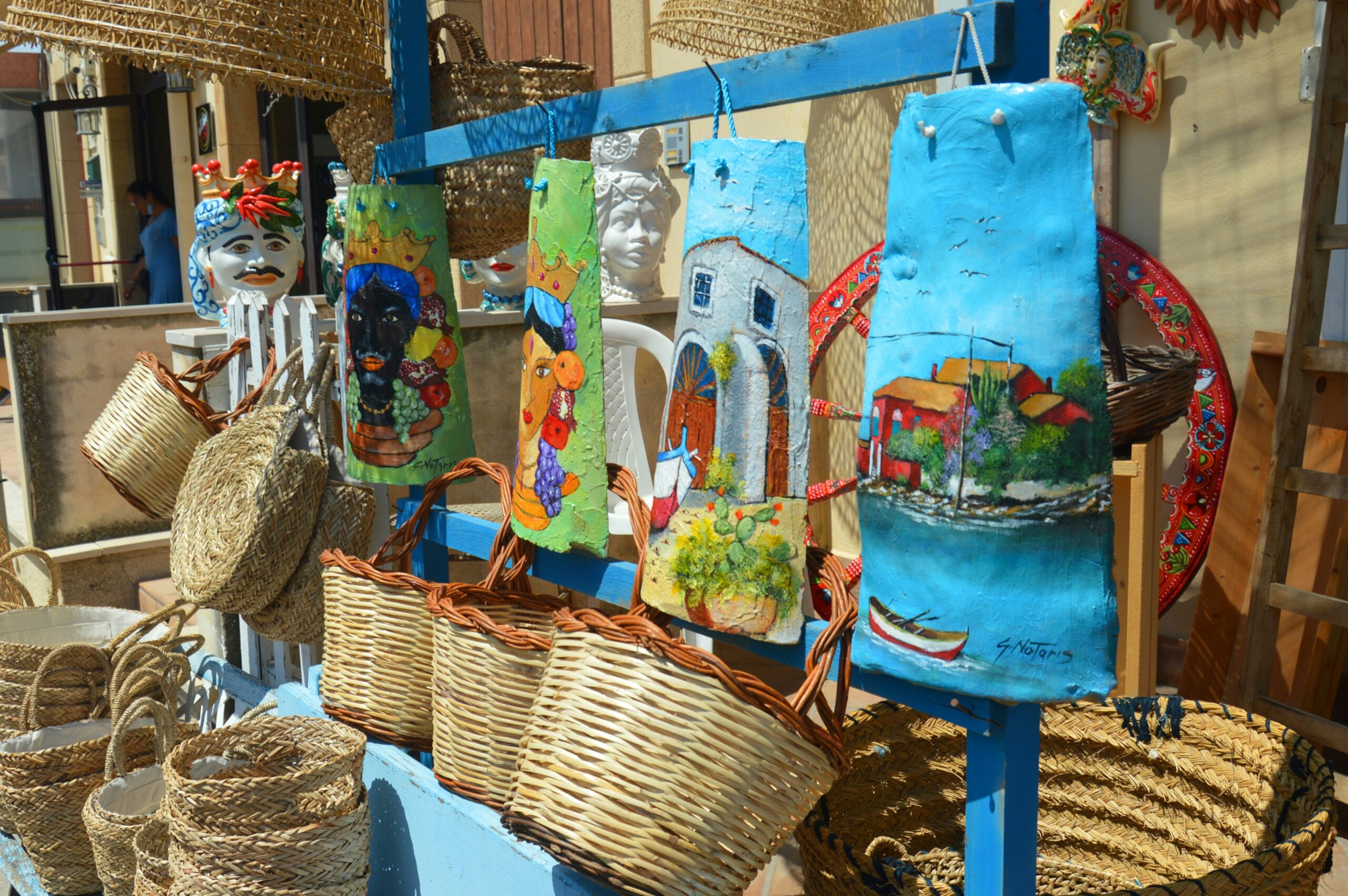
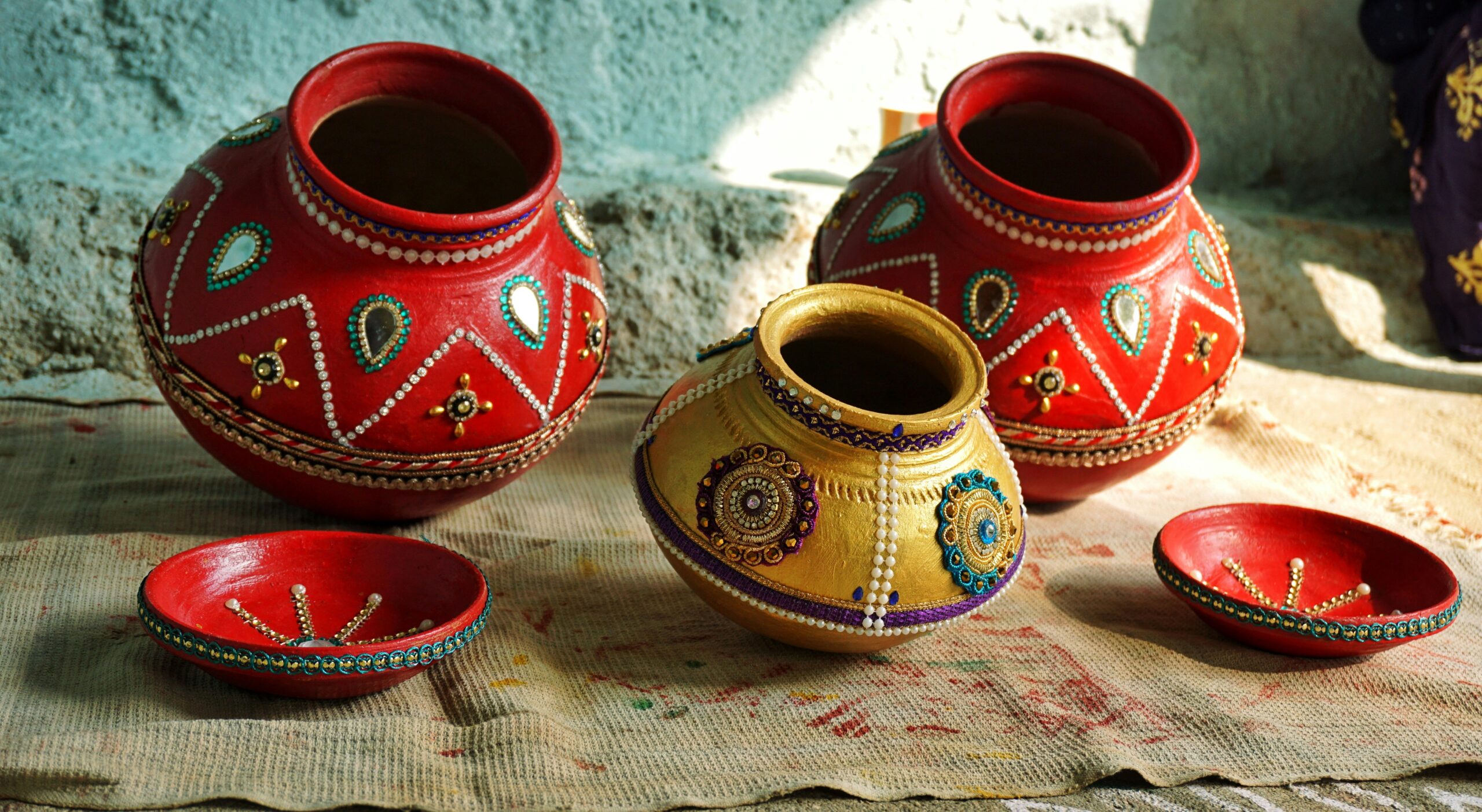
Hunza Valley is rich in traditional arts and crafts that reflect the region’s history, skill, and cultural identity. Local artisans are known for their beautiful handmade carpets, woolen shawls, and embroidered caps that highlight intricate patterns inspired by the mountains. Wood carving is another famous craft, often seen in the doors, windows, and furniture of traditional houses. You’ll also find finely crafted gemstones, jewelry, and handicrafts made from local materials. Each piece of art tells a story of Hunza’s heritage and the timeless craftsmanship passed down through generations.
Hunza Valley is home to a small but diverse population known for their warmth, hospitality, and peaceful lifestyle. The main communities in the valley include Brusho, Wakhi, and Shina-speaking people. Most residents follow the Ismaili Muslim tradition, known for valuing education, health, and community development. Hunza has one of the highest literacy rates in the region, with strong participation of both men and women in education. Despite its remote location, the population enjoys a healthy lifestyle, long life expectancy, and a strong sense of cultural identity.
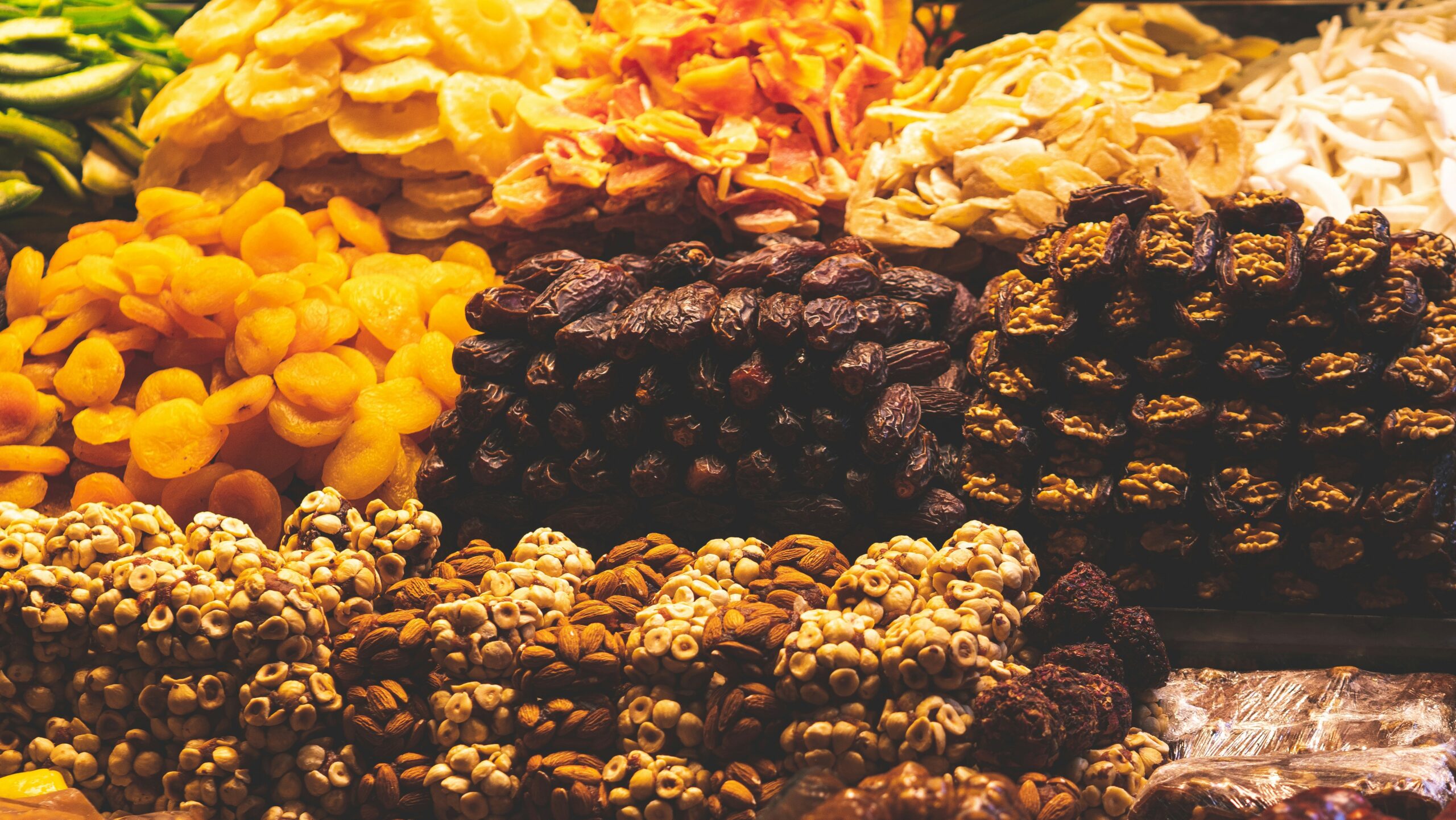
Karimabad, the capital of Hunza, is a charming town with cobblestone streets, local bazaars, and panoramic views of Rakaposhi Mountain. It is home to historic forts, traditional wooden houses, and some of the best apricots in the world! Baltit Fort – A 700-year-old fort with Tibetan-inspired architecture offering stunning valley views. Altit Fort & Royal Garden – The oldest fort in Hunza, known for its rich history and scenic gardens. Karimabad Bazaar – A vibrant marketplace where you can buy handmade Hunza shawls, gemstones, and traditional handicrafts.
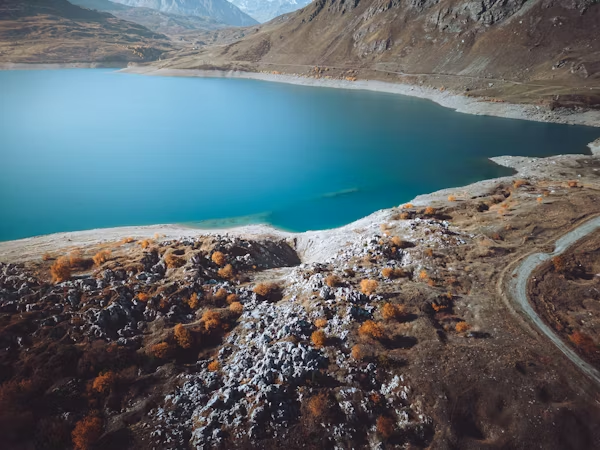
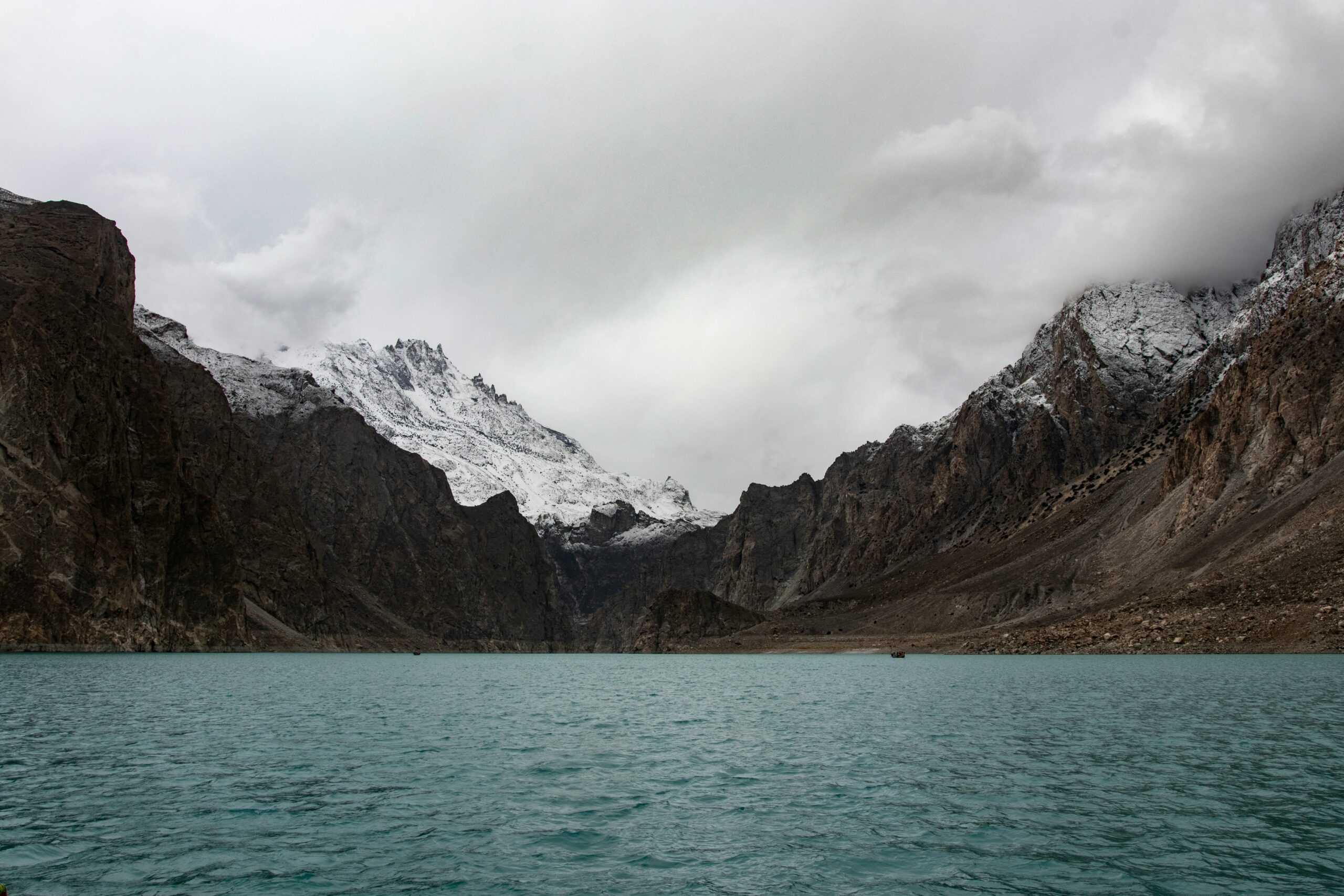
One of Hunza’s most famous landmarks, Attabad Lake was formed after a massive landslide in 2010. Today, it is a major tourist attraction offering boating, jet skiing, and fishing. The deep blue waters surrounded by towering mountains make it a photographer’s dream.
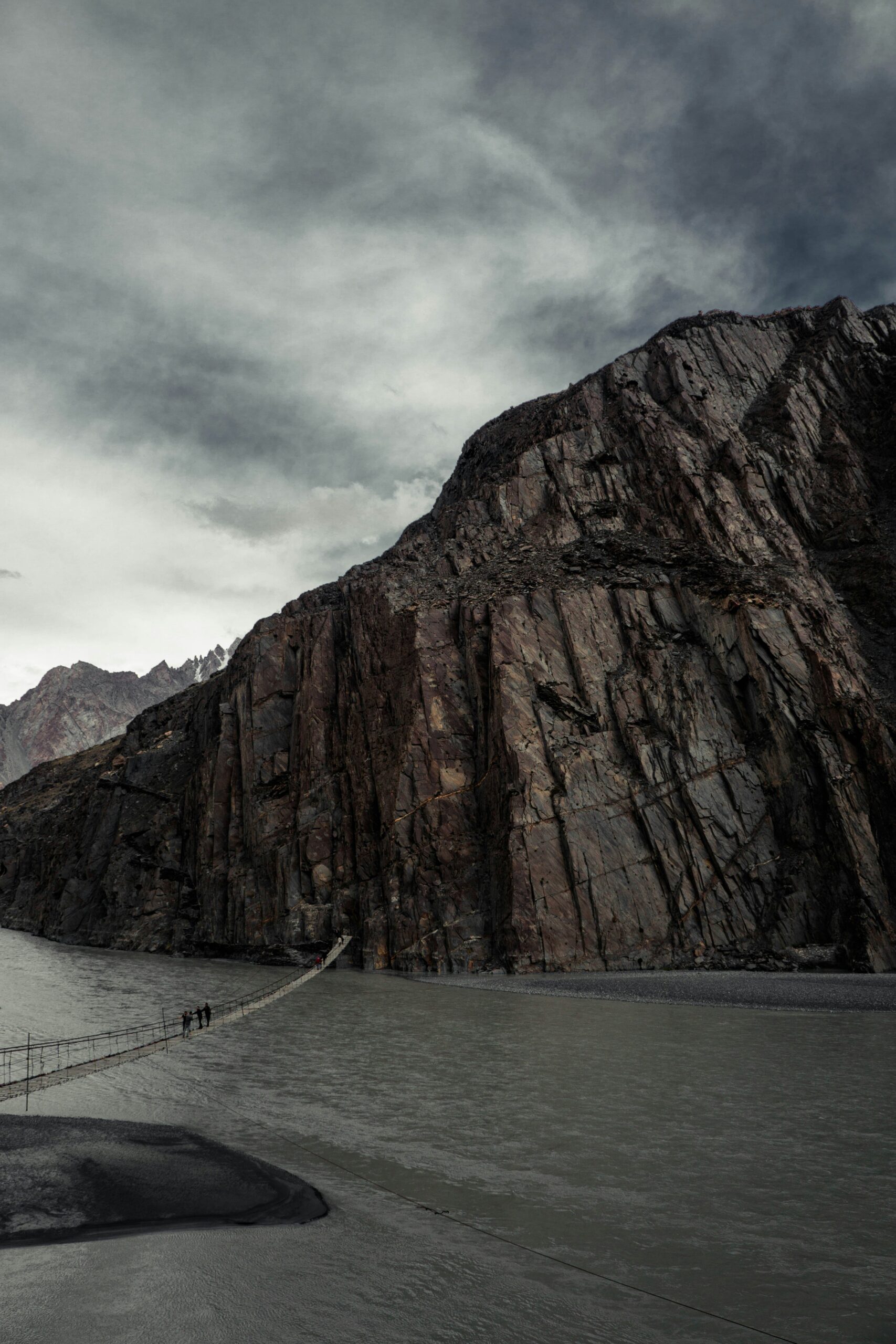
The Passu Cones, also known as Cathedral Peaks, are jagged, snow-covered peaks that dominate the skyline of upper Hunza. The nearby Passu Glacier and Hussaini Suspension Bridge (one of the most adventurous bridges in the world) make this area a must-visit for thrill-seekers.
Located in Duikar village, Eagle’s Nest is famous for offering the best sunrise and sunset views in Hunza. From here, you can see some of the highest peaks in the world, including Rakaposhi, Ultar Sar, Diran Peak, and Golden Peak.
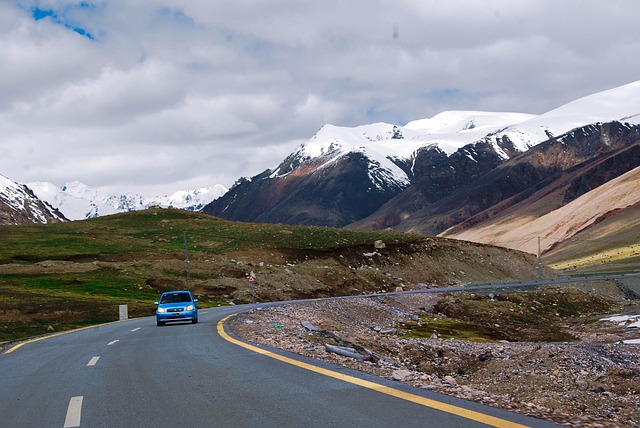
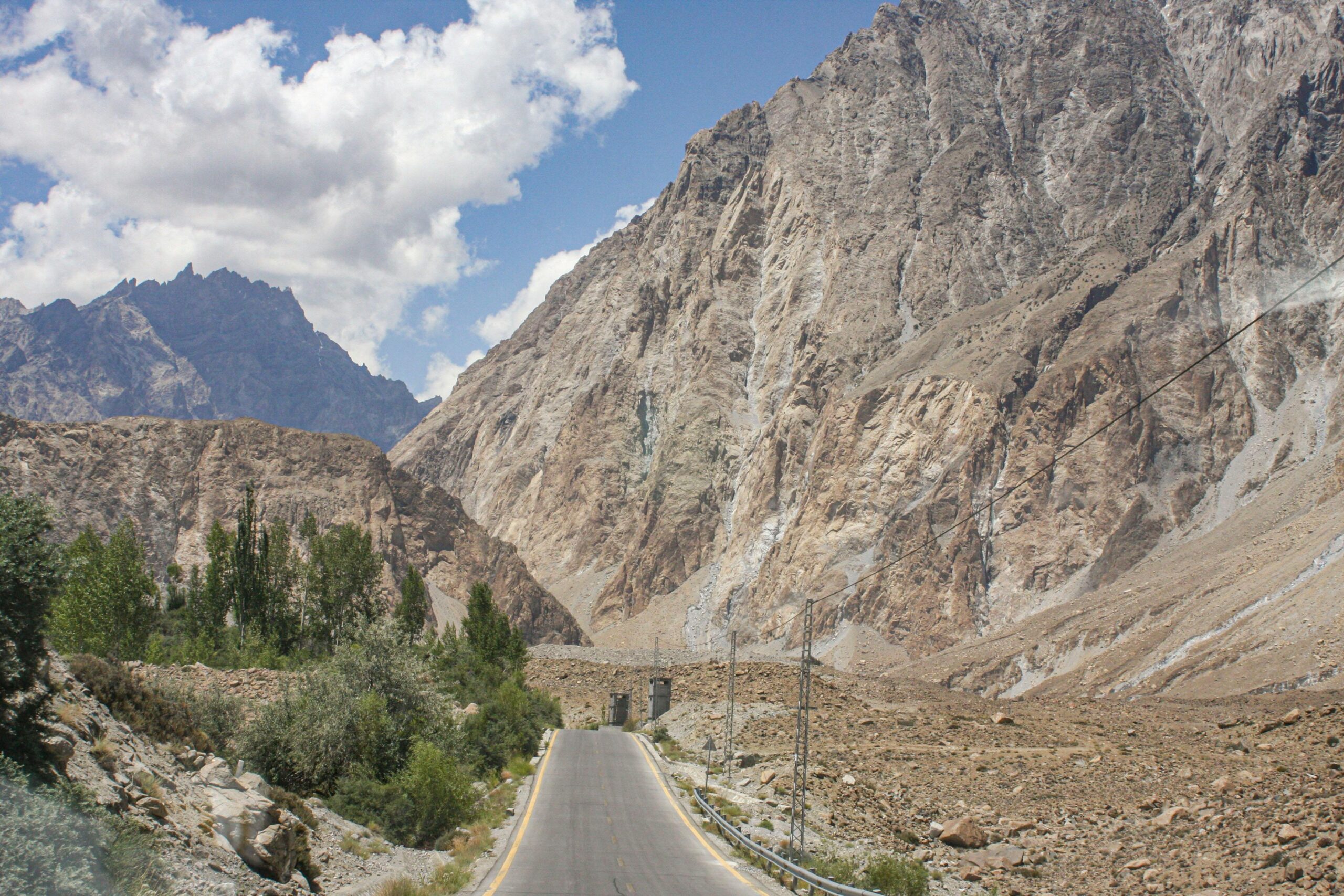
At 4,693 meters, Khunjerab Pass is the highest paved international border crossing in the world, connecting Pakistan with China. The journey to Khunjerab along the Karakoram Highway offers breathtaking views of glaciers, rivers, and high-altitude meadows.
Hunza Valley is often called the “Land of Longevity” because many residents are known to live healthy, long lives, thanks to their active lifestyle and natural diet. The valley sits along the ancient Silk Route, once used by traders traveling between China and the Middle East. Hunza is also home to some of the world’s highest peaks, including Rakaposhi and Ultar Sar. The region is famous for its stunning cherry blossoms, crystal-clear Attabad Lake, and centuries-old Baltit and Altit forts. Its unique mix of culture, beauty, and history makes Hunza one of Pakistan’s most fascinating destinations.