150 / metres
Harappa is one of the oldest and most important cities of the Indus Valley Civilization, flourishing around 3300–2600 BCE. It was a well-planned urban center with a grid layout, drainage systems, craft workshops, and trade networks reaching Mesopotamia.
Harappa is one of the oldest urban settlements of the Indus Valley Civilization, showcasing advanced city planning, drainage systems, and a rich cultural legacy. Located in Punjab, it reveals a sophisticated society that flourished over 4,500 years ago, offering deep insights into early human civilization and daily life.
Harappa was one of the five major cities of the Indus Valley Civilization.
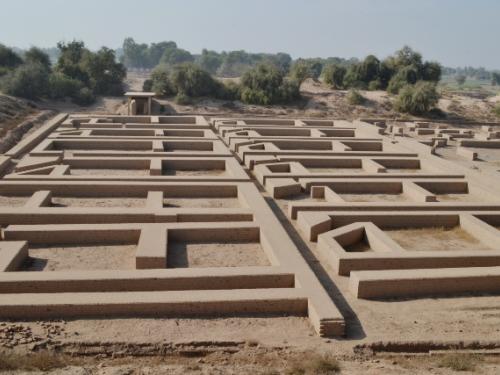
It had sophisticated urban planning, including drainage systems, granaries, and wide streets.
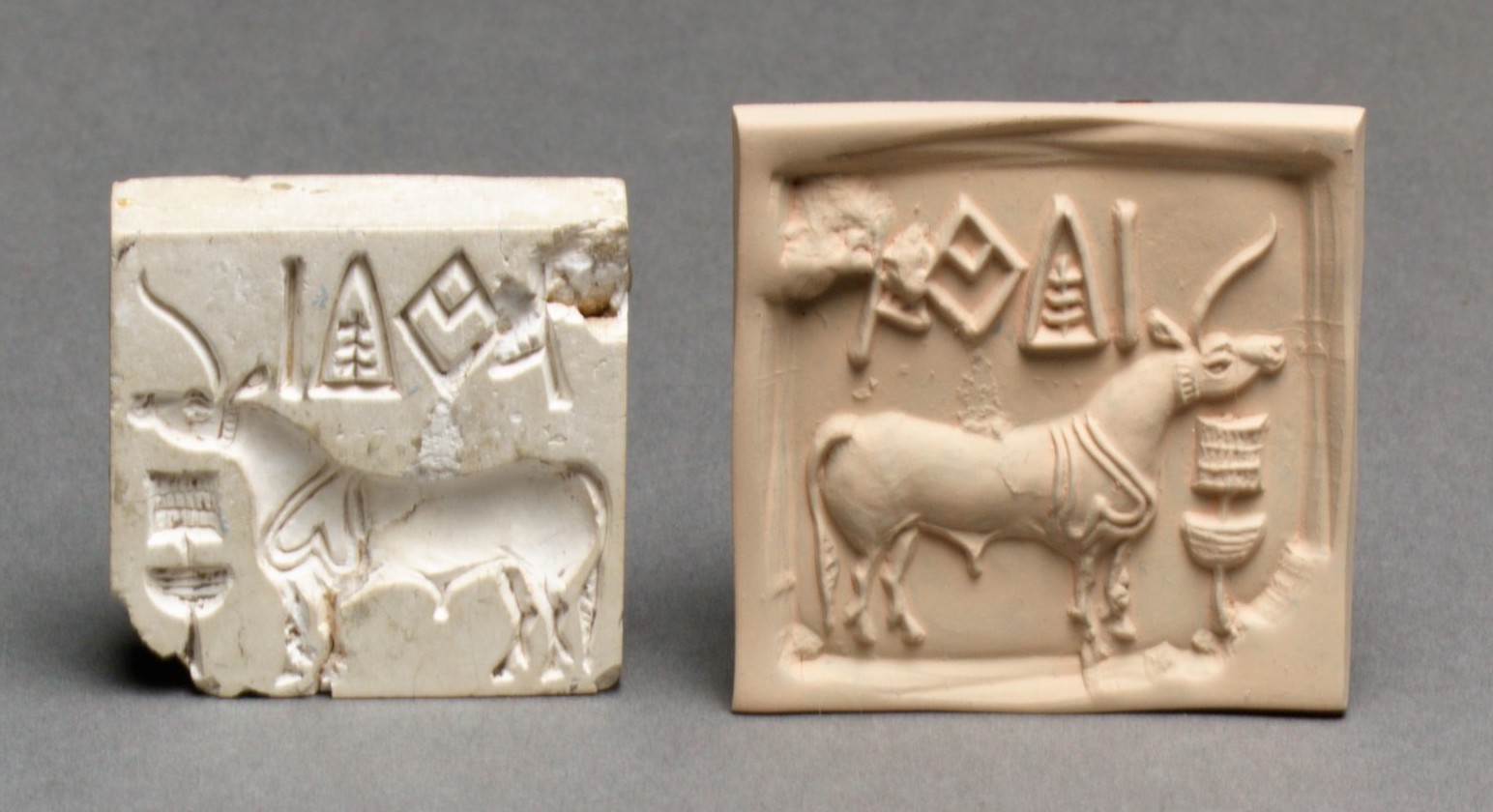
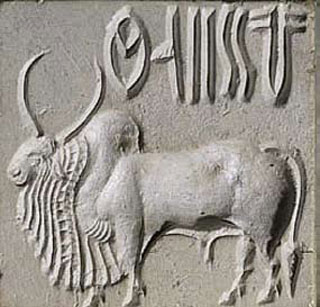
The Harappan script, though undeciphered, is considered one of the earliest writing systems.
Trade networks extended to Mesopotamia, Central Asia, and Afghanistan.
The civilization mysteriously declined around 1900 BCE, possibly due to climate change or invasions.
Harappa experiences four main seasons. Spring brings mild temperatures and blooming fields, while summer is hot and dry. Monsoon season provides short periods of rainfall, offering relief from the heat. Autumn is pleasantly warm, and winter is cool with crisp mornings. Each season impacts the landscape, making spring and winter ideal for visiting the site comfortably.
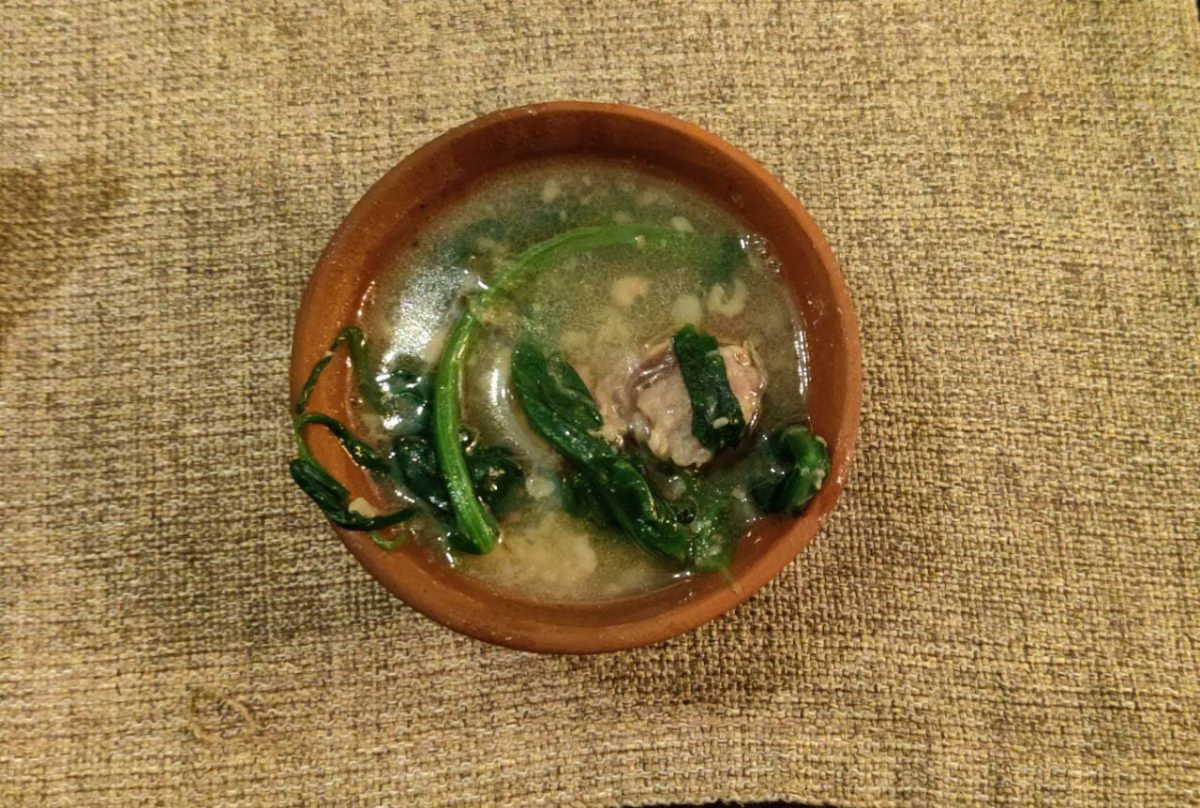
While Harappa itself is an archaeological site, nearby towns offer traditional Punjabi cuisine. Popular dishes include saag, makki roti, channa curry, haleem, biryani, and fresh dairy products. Street foods like samosas, pakoras, jalebi, and lassi are also common. These local flavors reflect the agricultural richness of Punjab, where wheat, dairy, and lentils form the base of everyday meals.
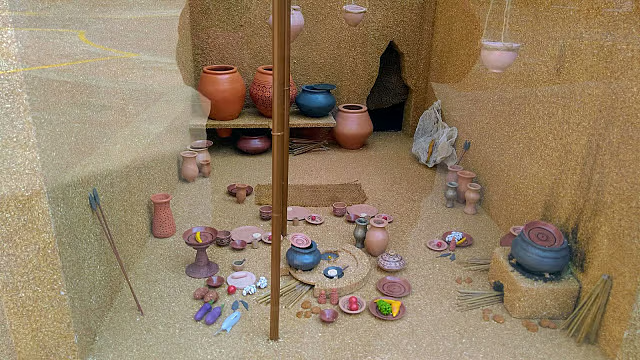
Artifacts from Harappa show the remarkable craftsmanship of the Indus Valley people. They produced pottery, terracotta figurines, beads, jewelry, seals, and stone tools. Geometric designs and animal motifs were common in their art. Modern artisans in nearby regions continue traditional Punjabi crafts, including pottery, handwoven fabrics, wooden carvings, and intricate embroidery influenced by the region’s rich cultural history.
Harappa itself has no ancient population today, but the surrounding region in Punjab is home to vibrant rural communities. Most residents speak Punjabi and Urdu and practice Islam. Agriculture is the main occupation, supported by fertile plains. The local population is known for hospitality, strong family traditions, and a cultural identity rooted deeply in Punjabi heritage and farming lifestyle.
Houses ancient artifacts, including pottery, seals, jewelry, tools, and statues that provide insight into the daily life of Harappan people.
Large brick structures used for storing surplus grains, reflecting a well-organized economic system.
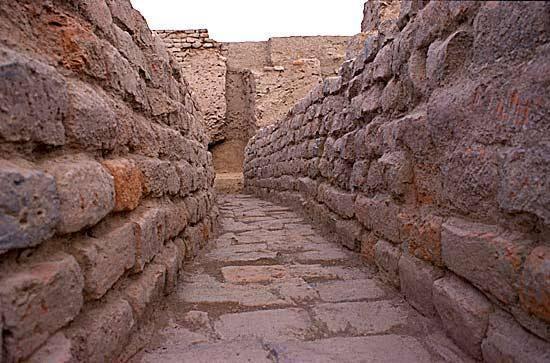
An advanced sanitation and water management system that highlights the engineering skills of the Indus Valley people.
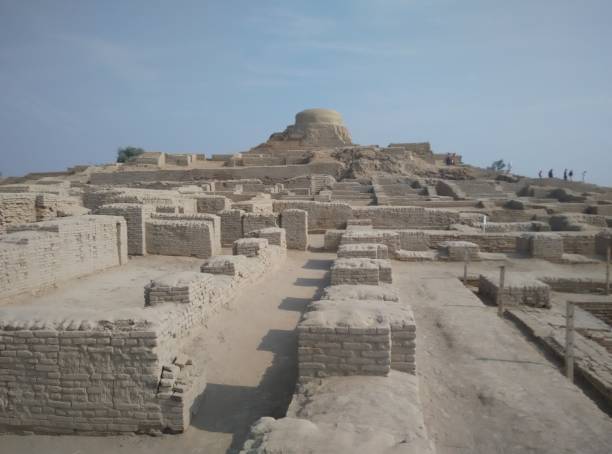
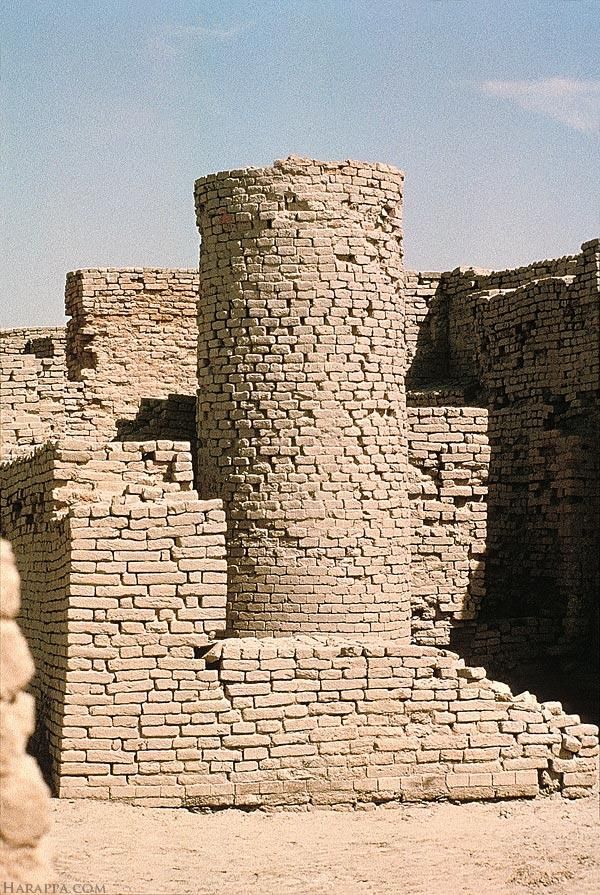
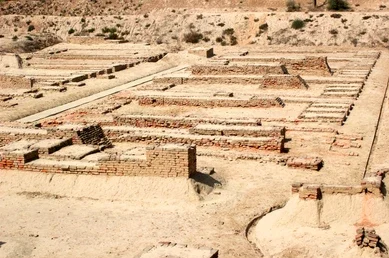
Excavated remains show houses made of kiln-fired bricks, courtyards, and well-organized bazaars.
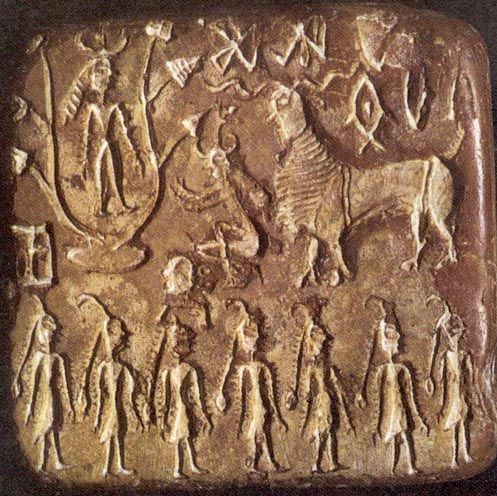
Stone seals with animal motifs and symbols, believed to be part of an ancient writing system used for trade and administration.
Harappa was one of the largest urban centers of the Indus Valley Civilization, featuring advanced planning long before ancient Egypt or Mesopotamia. The city had standardized brick sizes, organized streets, and one of the earliest known drainage systems. Harappan seals, pottery, and jewelry reveal a highly sophisticated society. The site remains a key source of information about early human civilization.