2200 / metres
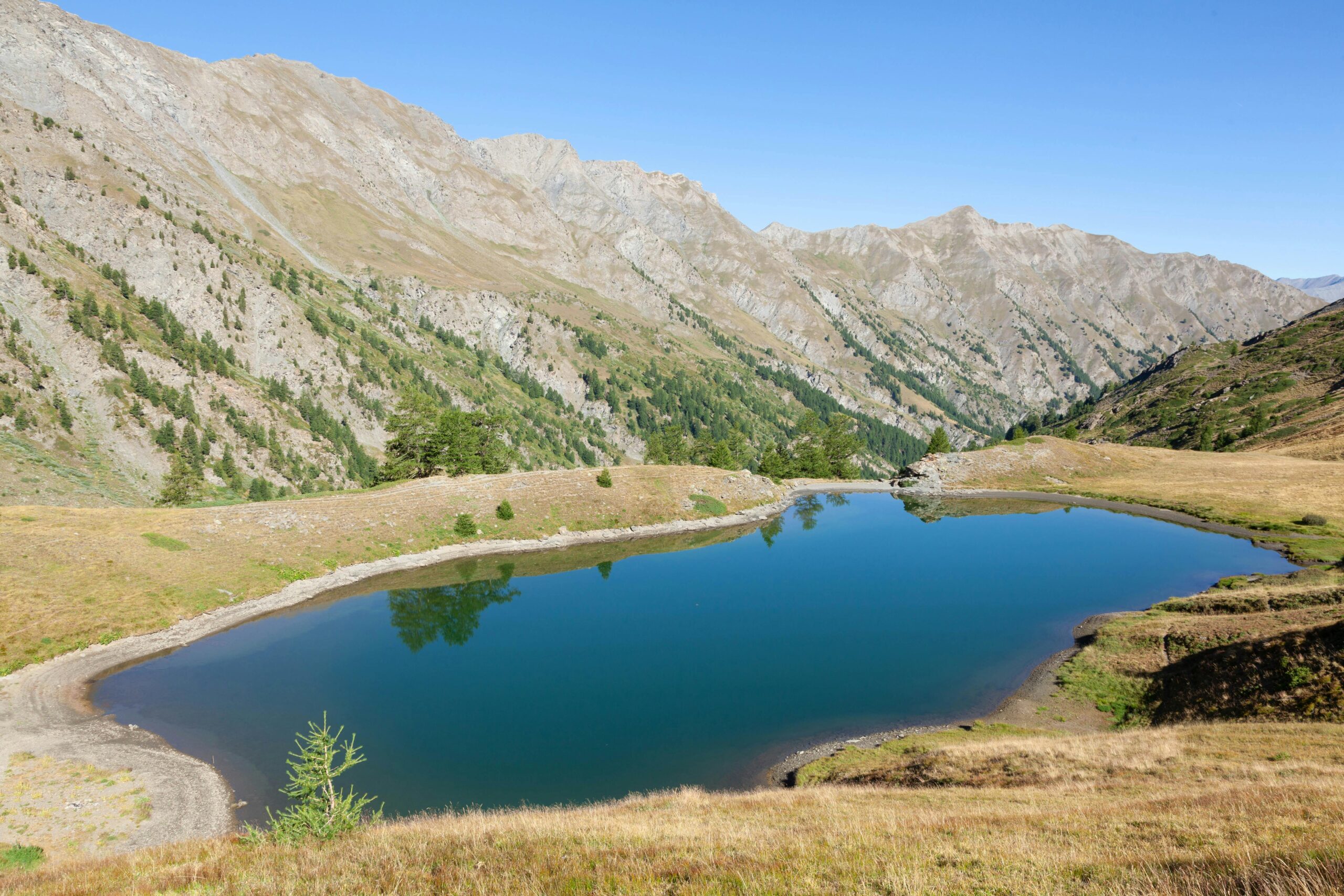
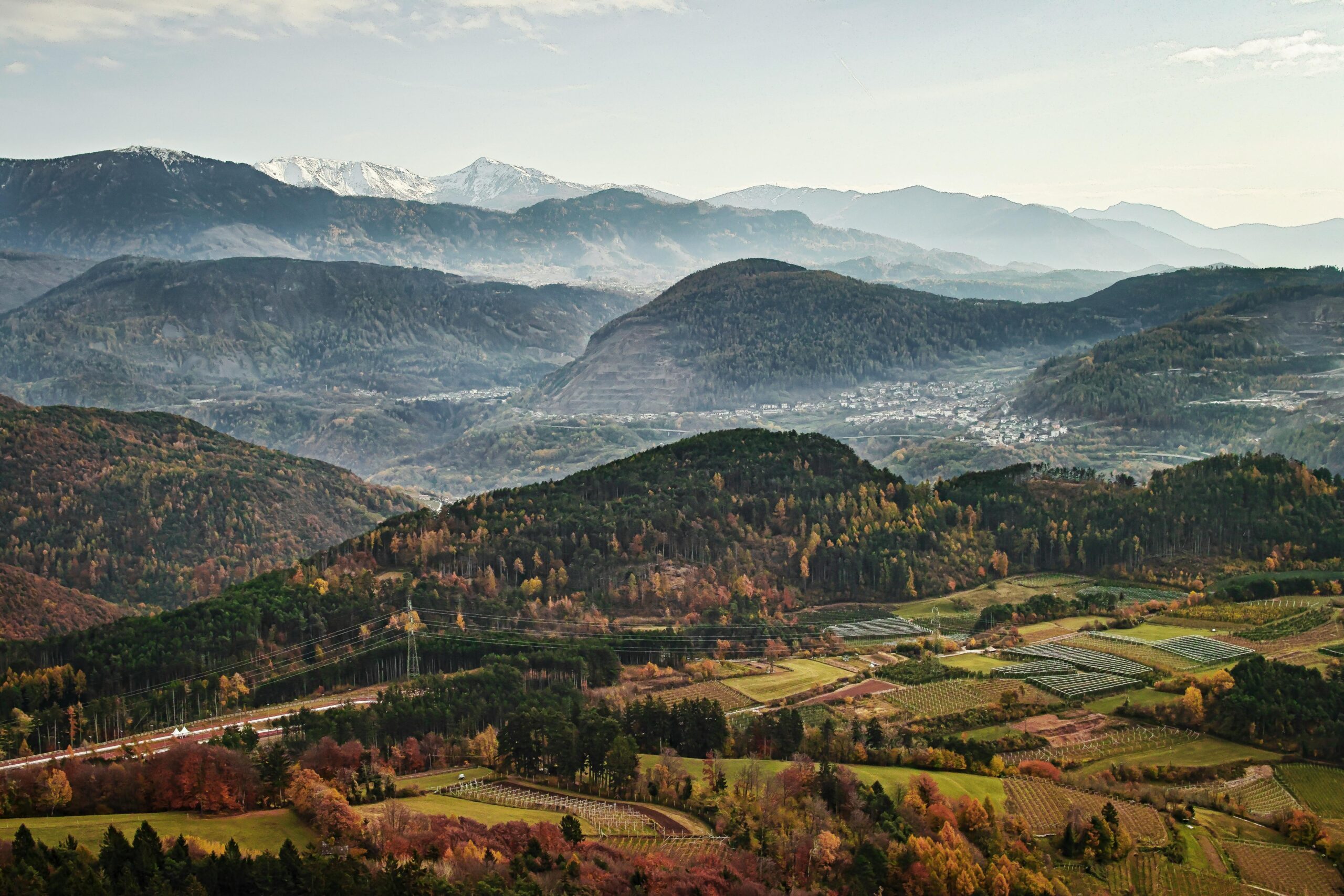
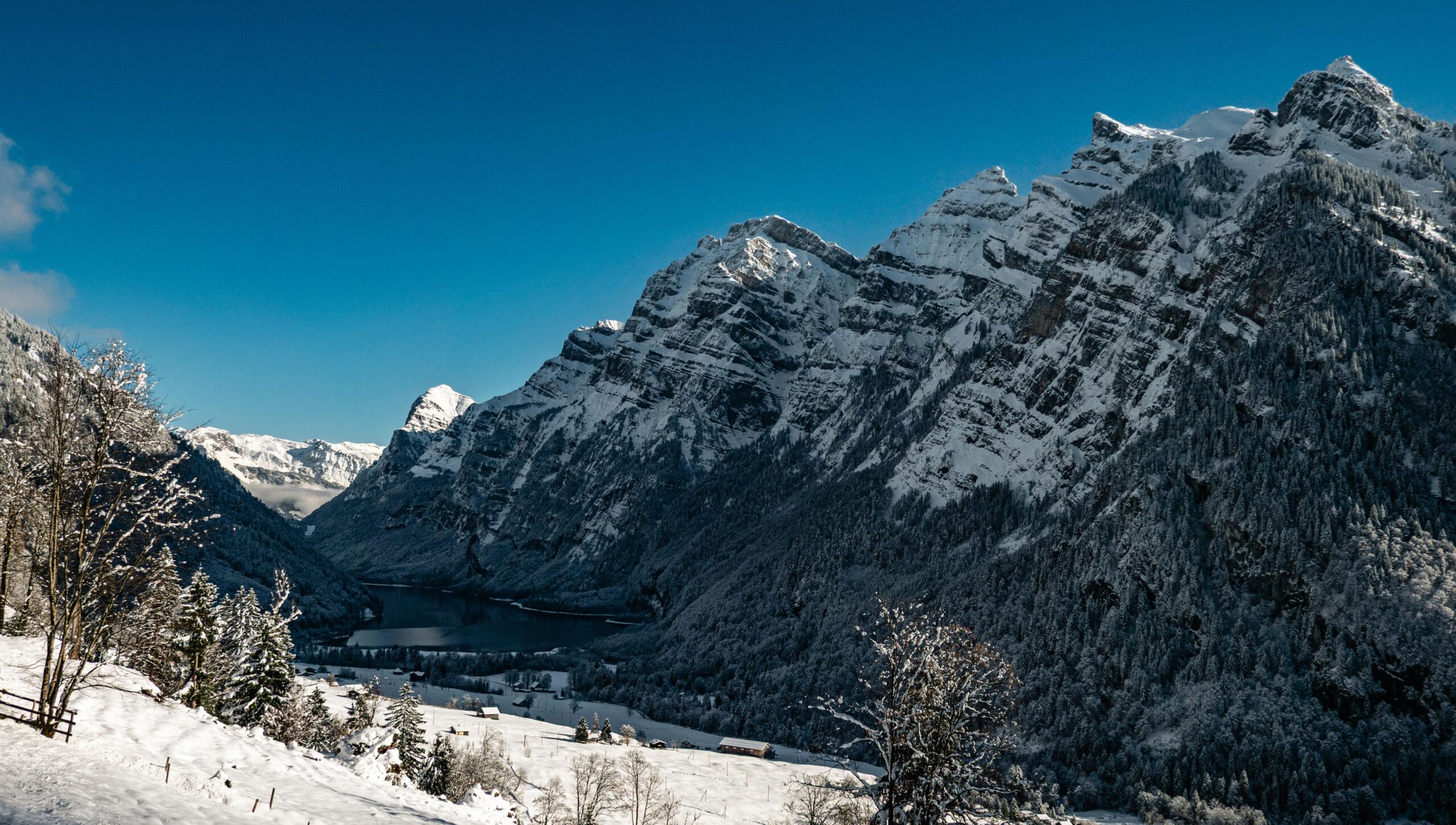
Kalash Valley experiences a temperate mountain climate with warm, sunny summers and cold, snowy winters. Spring brings vibrant blossoms, while autumn fills the valleys with golden foliage. The crisp air and moderate rainfall make it a refreshing destination year-round for travelers seeking natural beauty and cultural experiences.
Kalash Valley, located in Pakistan’s Chitral district, is famous for its unique culture, colorful festivals, and stunning mountain landscapes. Home to the indigenous Kalash people, the valley is rich in traditions, wooden architecture, and mythology. Surrounded by lush greenery and clear rivers, Kalash Valley offers visitors a rare blend of natural beauty and vibrant cultural heritage.
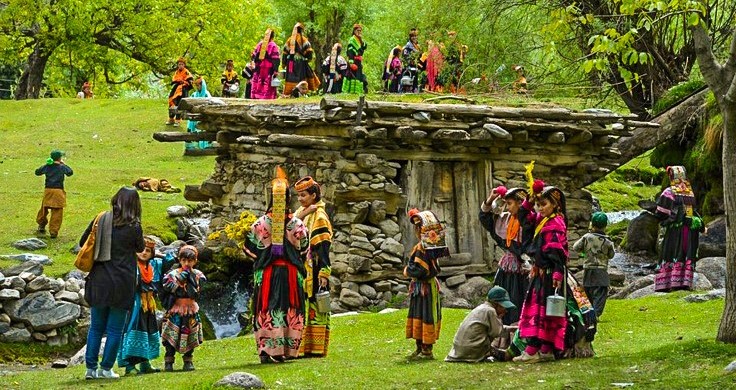
Kalash Valley is home to the Kalash people, an ancient community believed to have settled in the region thousands of years ago. Their origins are linked to Indo-Aryan tribes, giving the valley a unique cultural and historical identity. Historically, the Kalash lived in isolated valleys—Bumburet, Rumbur, and Birir—preserving their traditions, language, and religious practices despite outside influences. The valleys were once on trade routes connecting Central Asia and South Asia, which brought occasional cultural exchanges. Today, the Kalash people maintain their rich heritage through festivals, rituals, and art, making the valley a living testament to their enduring history.
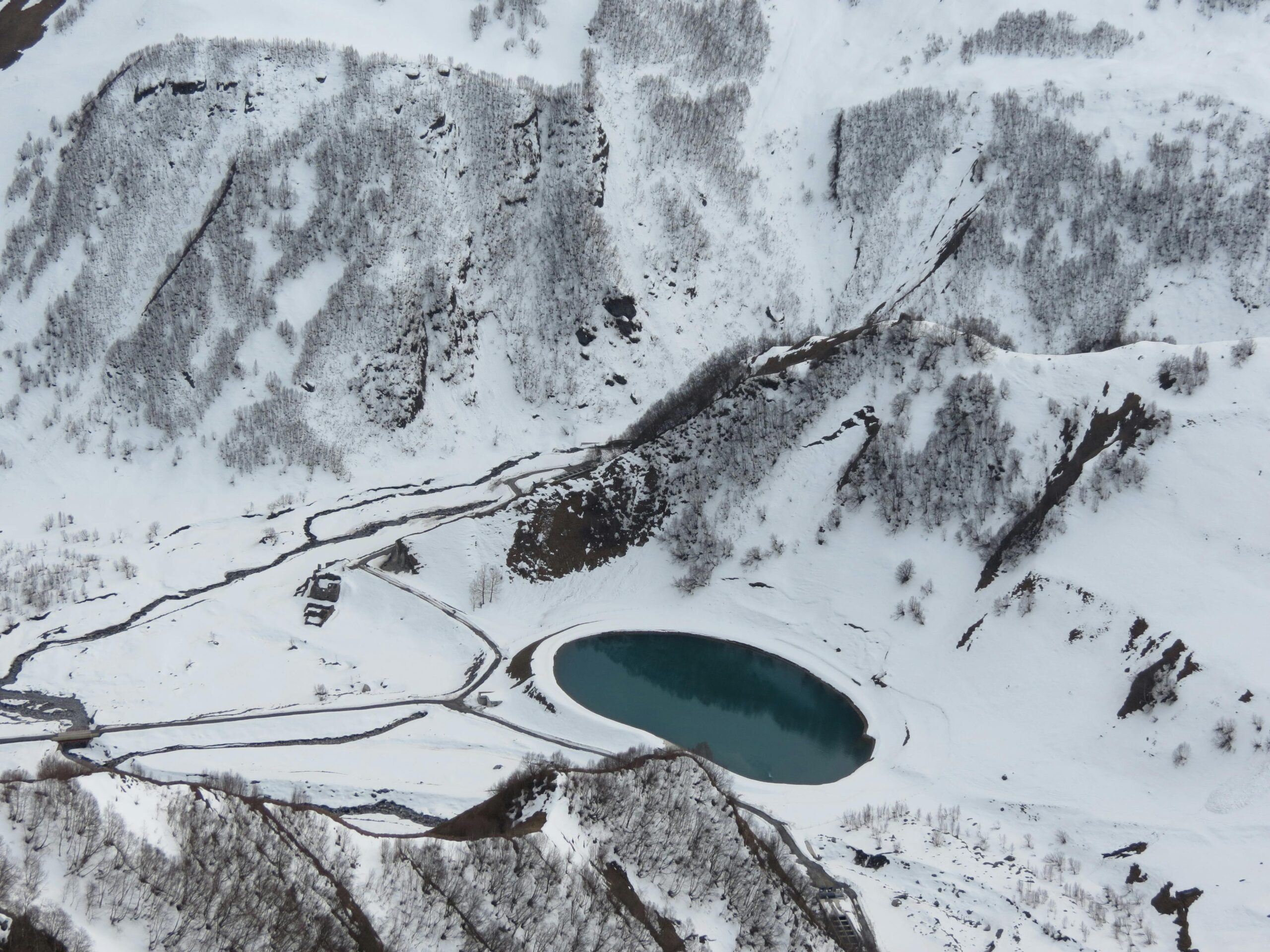
Kalash Valley enjoys a temperate mountain climate, with distinct seasons that shape its natural beauty. Summer (May to September) is warm and sunny, ideal for exploring the valleys and attending vibrant local festivals. Autumn brings mild temperatures and colorful foliage, creating breathtaking scenery. Winter (December to February) is cold, often with snowfall in higher areas, while spring revives the valleys with blooming flowers and fresh greenery. The valley’s crisp mountain air and moderate rainfall make it a refreshing destination year-round for travelers and nature enthusiasts.
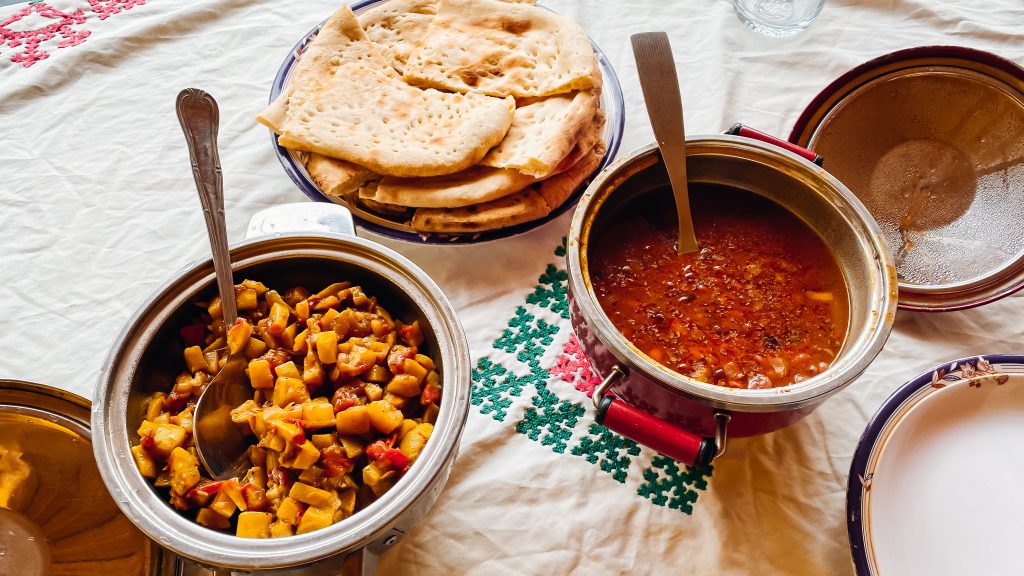
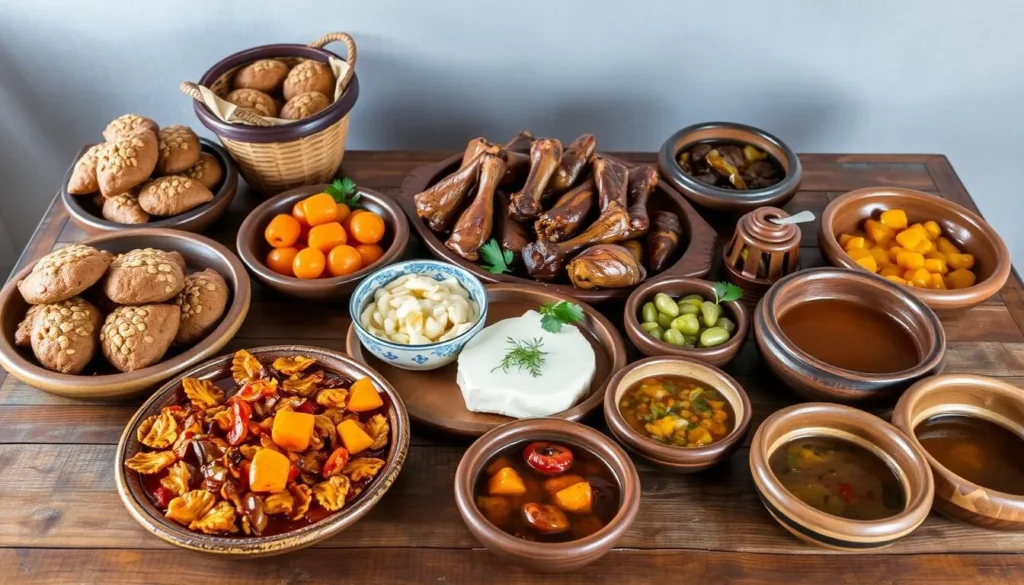
Kalash Valley is known for its simple, wholesome, and flavorful mountain cuisine, reflecting the region’s natural resources and traditions. Locals enjoy dishes made from fresh grains, vegetables, and dairy products. Popular foods include Bilili (sweet corn bread), Chilghoza nuts, Ghal (millet porridge), and local cheese. During festivals, special dishes like Rumbur rice and meat stews are prepared to celebrate community gatherings. Fresh fruits, especially apricots, mulberries, and walnuts, are widely enjoyed. Kalash cuisine emphasizes natural, homegrown ingredients, offering visitors a taste of the valley’s authentic and hearty mountain lifestyle.
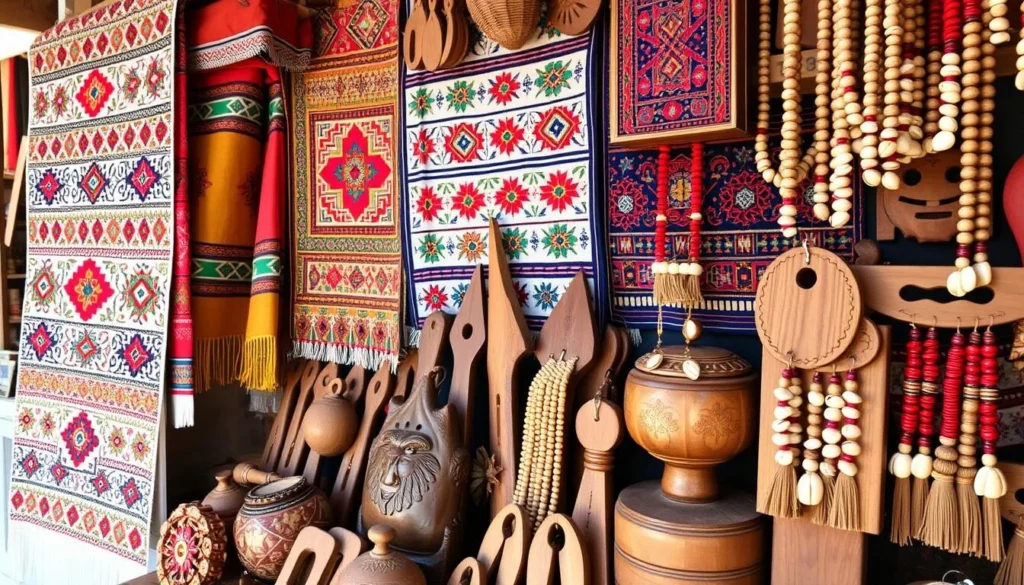
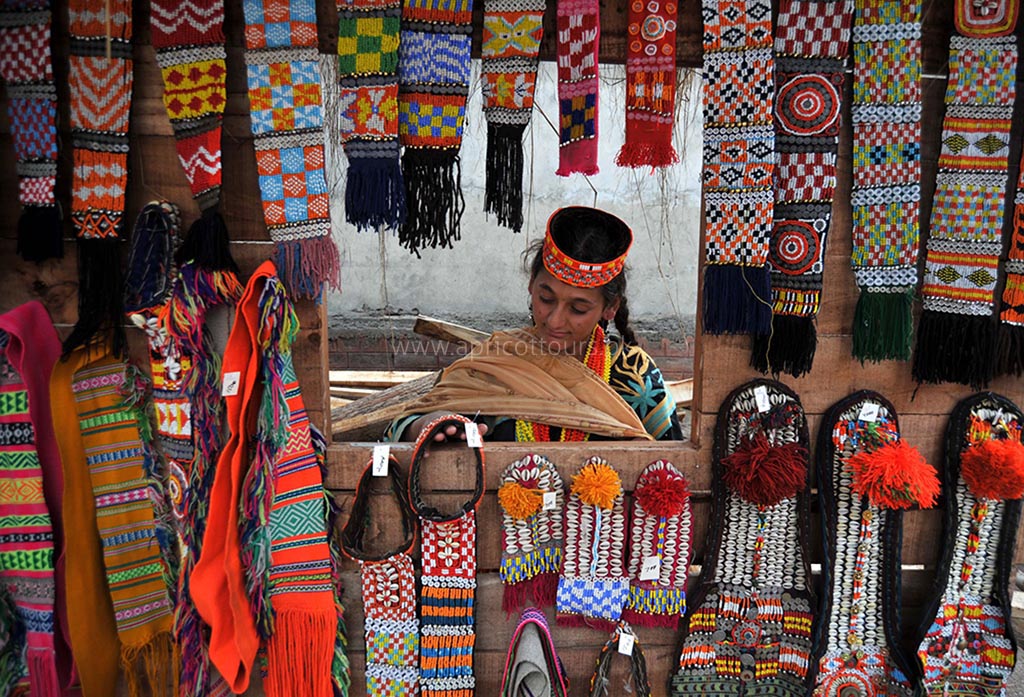
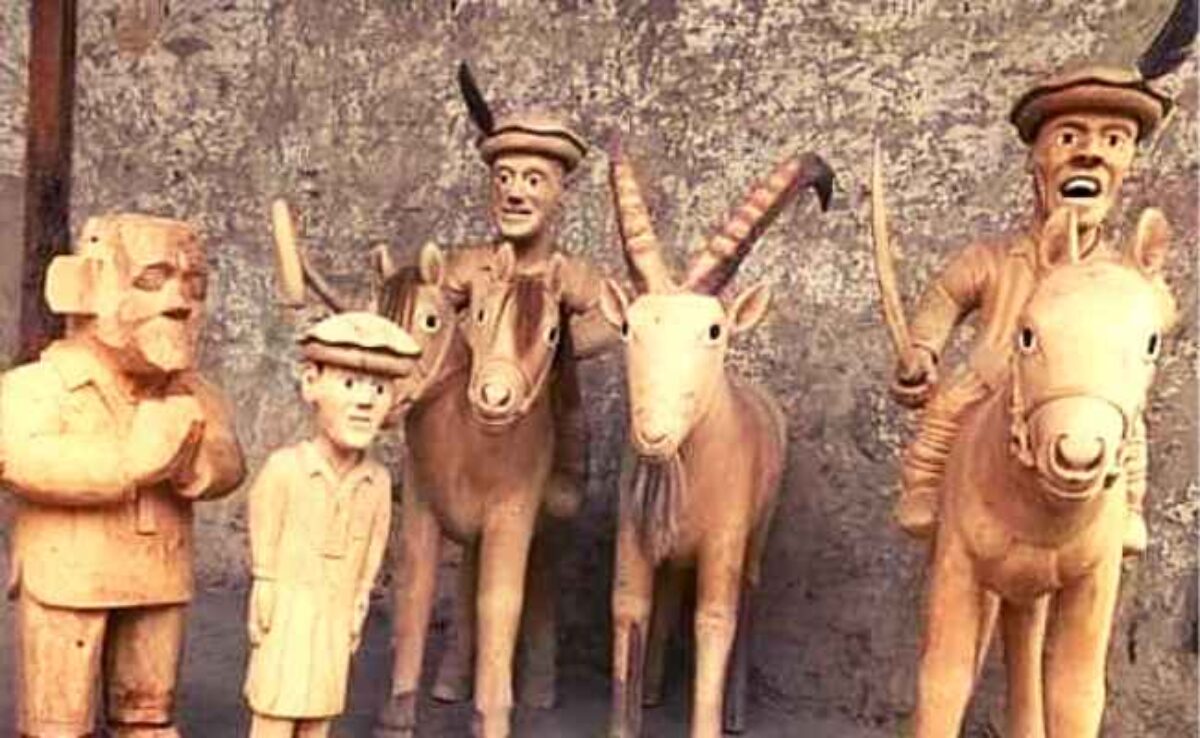
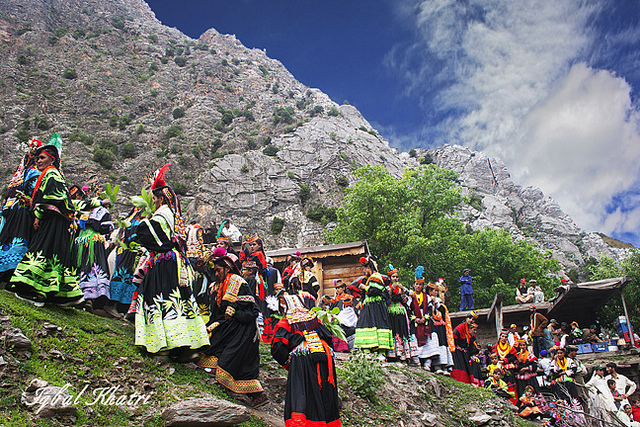
Kalash Valley is renowned for its vibrant arts and crafts, reflecting the community’s rich cultural heritage. Local artisans create beautifully handwoven rugs, embroidered clothing, and colorful traditional headdresses adorned with beads and shells. Wood carving is another notable craft, seen in homes, furniture, and decorative items. During festivals, handcrafted jewelry and ornaments play a significant role in traditional attire. Each piece is a reflection of Kalash identity, creativity, and centuries-old traditions, making the valley not only a visual delight but also a hub for unique cultural artifacts.
Kalash Valley is home to the small but culturally unique Kalash community, living primarily in three main valleys: Bumburet, Rumbur, and Birir. The population is estimated at around 3,000–4,000 people, who speak the Kalasha language, an ancient Dardic language. Most Kalash follow their indigenous polytheistic religion, celebrating seasonal festivals and rituals that reflect their rich cultural heritage. The community is known for its hospitality, tight-knit social structure, and preservation of traditional customs. Despite modern influences, the Kalash people maintain a strong sense of identity, making the valley one of the most culturally distinct regions in Pakistan.
Kalash Valley is often called the “Hidden Jewel of Pakistan” due to its unique culture and stunning landscapes. The valley is home to the Kalash people, one of the few remaining indigenous polytheistic communities in South Asia. Kalash festivals, such as Joshi, Uchau, and Choimus, are colorful celebrations of harvest, spring, and winter. The region is famous for its wooden homes, traditional attire, and bead-adorned headdresses. Surrounded by towering mountains, Kalash Valley also boasts rich flora and fauna, making it a haven for nature lovers, anthropologists, and adventurous travelers seeking an authentic cultural experience.